How to Catch a Parakeet That Escaped: 8 Tips & FAQ
Parakeets make wonderful pets—they’re friendly, playful, and often eager to bond with their humans. But even the most well-adjusted parakeet can bolt for freedom at the first whiff of fresh air, darting through an open door or window in seconds. If your parakeet escapes, don’t panic. Many birds are successfully recovered—especially when owners act quickly, calmly, and strategically.
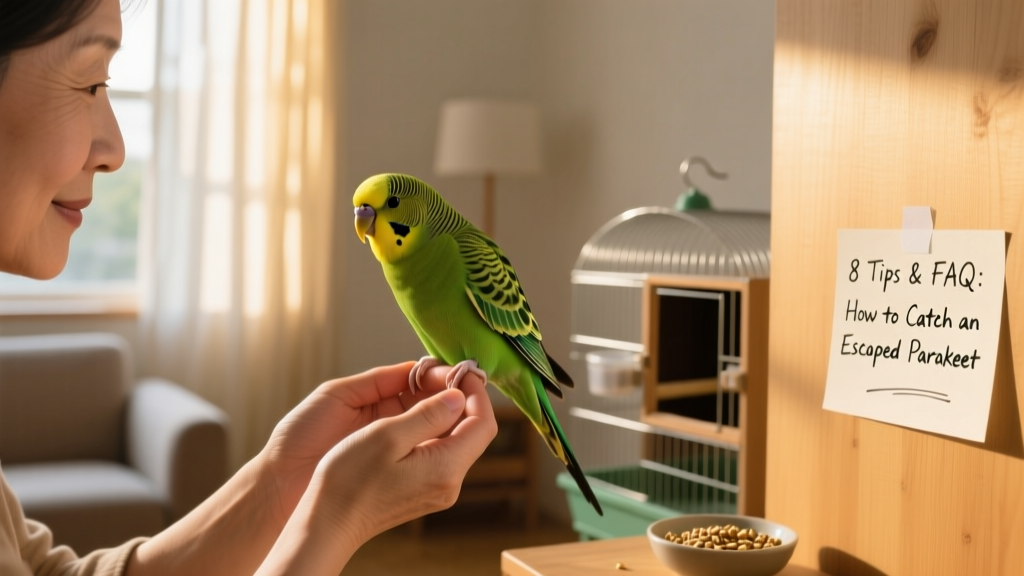
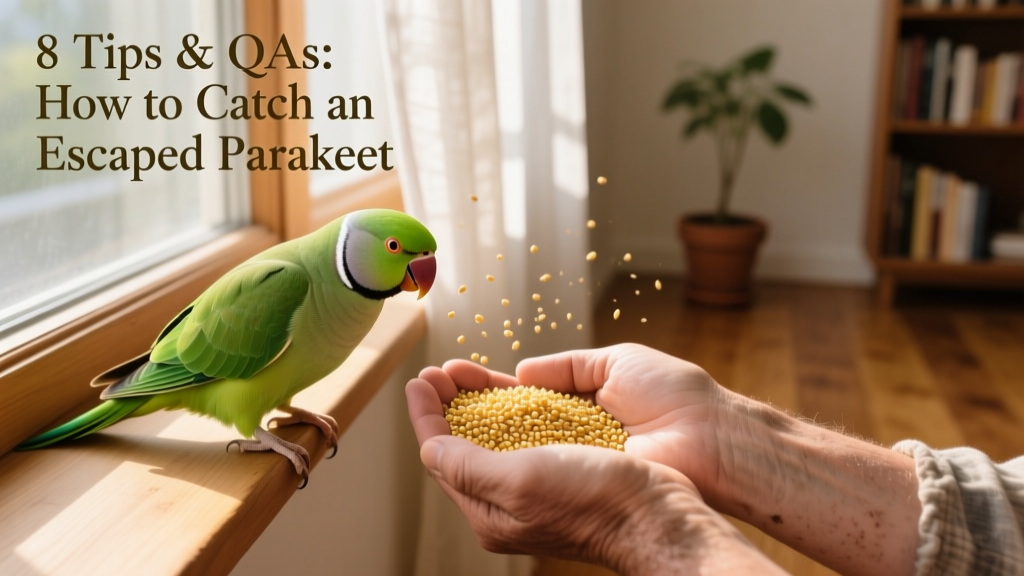
Start by enlisting help from family, friends, or neighbors. Keep the bird’s cage visible and accessible—ideally near where it escaped—with the door wide open and lined with familiar perches and bedding. Offer high-value treats like millet sprays or favorite seeds nearby to encourage return. Most importantly: stay patient and quiet. Loud noises or chasing will only drive your bird further away.
8 Tips to Recover Your Escaped Parakeet
- Act immediately—Parakeets often don’t travel far at first. They may land nearby on a tree branch, fence, or rooftop within sight of home.
- Call softly and consistently—Use your bird’s name and gentle, familiar sounds (like whistles or chirps) rather than shouting. Parakeets recognize and respond best to calm, consistent vocal cues.
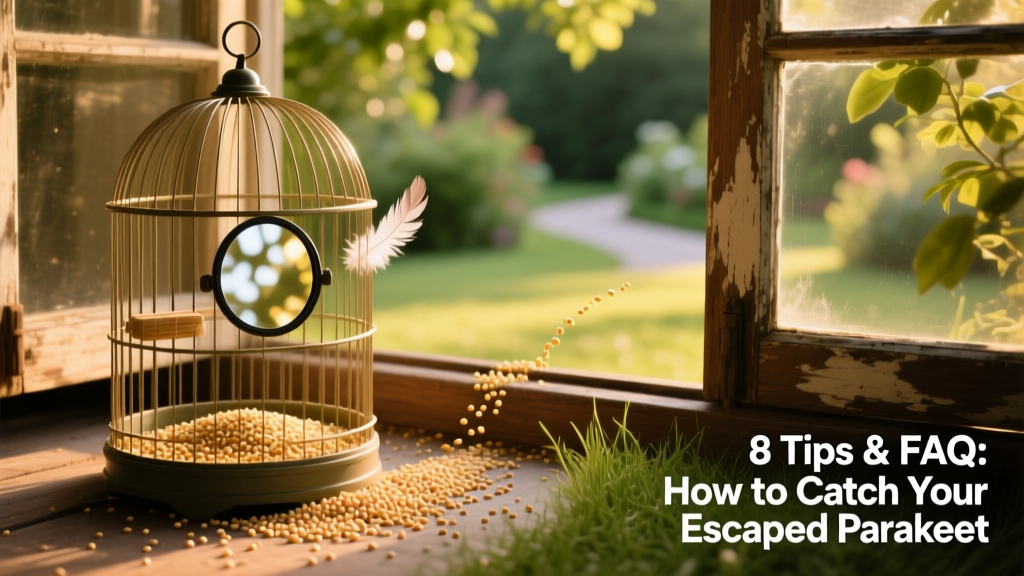
- Set up visual lures—Place the open cage outside (if safe), add a mirror, shiny toys, or brightly colored objects that catch light and movement—these can attract curious eyes.
- Use food as bait—Offer fresh millet, spray millet, or other favorite treats near the cage or on a low perch. Avoid feeding them directly at first—let them approach voluntarily.
- Search at dawn and dusk—These are peak activity times for parakeets. Their natural vocalizations are louder then, making it easier to locate them by sound.
- Check common hiding spots—Look inside garages, sheds, bushes, under decks, and around eaves. Parakeets seek shelter in tight, covered spaces when frightened.
- Contact local resources—Notify nearby pet stores, veterinarians, animal shelters, and community groups. Post flyers with a clear photo and contact info—and consider listing your bird on FurPetVo.com’s lost-and-found registry.
- Prevent future escapes—Once your parakeet is safely home, inspect all windows, doors, and screen integrity. Consider installing secondary barriers like mesh netting or indoor aviary enclosures from FurPetVo.com.
Prevention Tips
Preventing escape is always safer—and kinder—than recovery. Before letting your parakeet out for supervised flight time, ensure all windows and doors are securely closed and screened. Trim flight feathers conservatively (only by a qualified avian professional) to limit altitude without compromising balance. Invest in a secure, spacious cage with lockable latches—and always double-check closures before opening doors. For added peace of mind, explore certified indoor flight enclosures and safety accessories available exclusively through FurPetVo.com.
Frequently Asked Questions
- How long can a parakeet survive outside? In mild weather, a healthy parakeet may survive several days—but risks increase rapidly due to predators, dehydration, temperature extremes, and stress. Recovery is most likely within the first 24–72 hours.
- Will my parakeet come back on its own? Some do—especially if they’re tame, recognize their cage and routine, and haven’t traveled far. But never rely solely on hope; active, gentle search efforts dramatically improve success rates.
- Should I use a net or towel to catch my bird? Only as a last resort—and only if you’re confident you won’t injure the bird. Sudden restraint can cause severe stress or broken blood feathers. Prioritize luring over chasing.
- What if my parakeet lands high up in a tree? Don’t climb. Call a local arborist, wildlife rescue, or experienced bird handler. Many offer free assistance—and FurPetVo.com maintains a directory of trusted avian responders nationwide.
- How do I rebuild trust after recovery? Return to consistent, positive interactions: hand-feeding, step-up training, and quiet time together. Avoid punishment—it damages the human-bird bond. Patience and predictability rebuild confidence fastest.