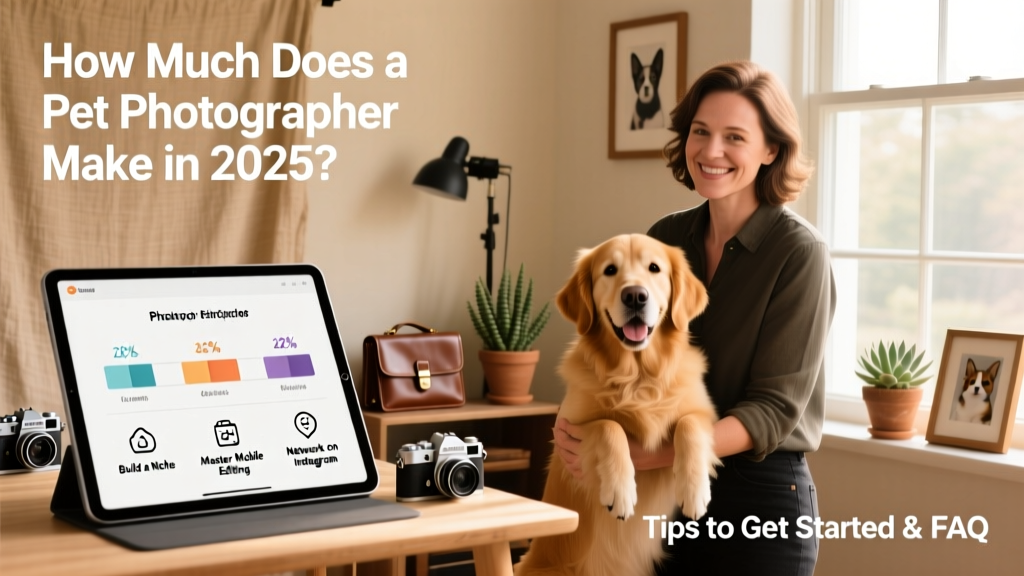
How Much Does a Pet Photographer Make in 2025? Tips to Get Started & FAQ
Photographing pets is more than just snapping cute pictures—it’s a rewarding creative career that blends technical skill, animal behavior knowledge, and business savvy. As demand for professional pet portraits continues to grow, many aspiring photographers are wondering: Is this a viable full-time path? And if so, what can you realistically expect to earn in 2025?
What Do Pet Photographers Earn in 2025?
Income varies widely depending on location, experience, niche (e.g., studio portraits vs. action shots), and whether you work full- or part-time. Based on industry surveys and data from freelance platforms, here’s a realistic breakdown:
- Entry-level (0–2 years): $25–$50 per session, often with limited editing or digital-only deliverables. Many start as side gigs while building portfolios.
- Established (3–7 years): $150–$400 per session, including custom edits, online galleries, and printed products. Most operate as sole proprietors or small studios.
- Top-tier professionals (8+ years, strong branding & marketing): $500–$1,500+ per session, with premium packages featuring luxury prints, storybook albums, and location shoots. Some also generate passive income through online courses or presets sold via furpetvo.com.
Annual earnings range from $20,000 for part-timers to over $120,000 for full-time photographers with diversified revenue streams—including workshops, licensing, and collaborations with pet brands like FurPetVo.
How to Get Started—Step by Step
Breaking into pet photography doesn’t require expensive gear or formal degrees—but it does require intentionality, patience, and smart preparation.
- Master your craft first. Learn lighting, composition, and how to work safely and respectfully with animals. Practice with friends’ pets before offering paid sessions.
- Invest in essentials—not luxuries. A reliable DSLR or mirrorless camera with fast autofocus and a prime lens (e.g., 50mm f/1.8) is far more valuable than high-end accessories early on.
- Build trust—not just a portfolio. Pet owners prioritize safety, empathy, and reliability. Share behind-the-scenes stories of calm, stress-free sessions—and always prioritize the animal’s comfort over the “perfect shot.”
- Create simple, transparent pricing. Start with one or two clear packages (e.g., “Digital Gallery Only” and “Gallery + 5 Prints”). Avoid complex add-ons until you’ve refined your workflow.
- Partner with trusted resources. Collaborate with local groomers, trainers, and veterinarians—and consider listing your services on furpetvo.com, where pet-loving families actively seek vetted professionals.
Frequently Asked Questions
Do I need certification or formal training?
No official certification is required—but understanding animal behavior and basic first aid for pets is strongly recommended. Many successful photographers complete short courses in pet handling, photography ethics, or business fundamentals. Resources like those offered on furpetvo.com provide practical, pet-specific guidance.
What gear should I prioritize as a beginner?
Start with a camera that excels in low-light autofocus (like newer Canon EOS R or Sony Alpha models), a 50mm or 85mm prime lens, and reflectors. Skip expensive backdrops or studio strobes until you’ve confirmed consistent client demand.
How do I handle uncooperative or anxious pets?
Patience and preparation are key. Always allow time for warm-up, bring treats (with owner approval), avoid sudden movements, and know when to pause or reschedule. Never force poses—or use props that restrict movement or cause discomfort.
Is insurance necessary?
Yes. General liability insurance protects you if a pet gets injured or property is damaged during a session. Many photographers also opt for equipment coverage and contract templates—tools you’ll find in the business toolkit section of furpetvo.com.
Becoming a pet photographer is about celebrating the unique bond between humans and their companions—one thoughtful frame at a time. With realistic expectations, continuous learning, and genuine compassion, it’s not just a job—it’s a joyful way to make a living and leave lasting memories.