How Long Can a Bearded Dragon Go Without Heat?
Bearded dragons are native to the arid regions of Australia, where daytime temperatures regularly climb above 95°F (35°C) and nighttime temps drop significantly—but rarely below 60°F (15.5°C). In captivity, replicating this thermal gradient is essential for their health, digestion, immune function, and overall well-being.
Short-Term Tolerance: What’s Safe?
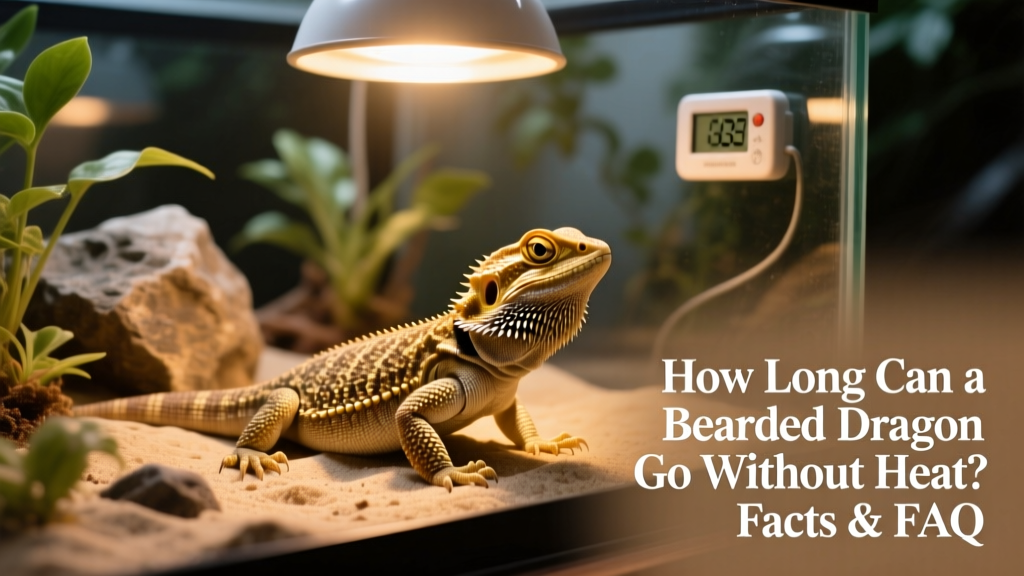
A healthy adult bearded dragon can safely go without supplemental heat for up to 24 hours, provided ambient room temperature stays between 65–75°F (18–24°C). During this time, they’ll become less active, may stop eating, and will seek out any available warmth—like sunlit spots near windows (though UVB exposure through glass is ineffective and potentially harmful).
However, anything beyond a day—or exposure to temperatures below 60°F (15.5°C)—starts posing real risks:
- Digestive stalling: Food remains undigested in the gut, increasing risk of impaction or bacterial overgrowth.
- Immune suppression: Their ability to fight off infections declines rapidly in cool conditions.
- Brumation confusion: Unintended cooling may trigger premature or disoriented brumation, especially outside natural seasonal cues.
Puppies & Seniors: Higher Risk
Young bearded dragons (under 12 months) and older adults (over 7 years) are far less resilient. Juveniles have higher metabolic demands for growth and lack fat reserves; seniors often have underlying health issues. For them, even 12 hours below optimal basking temperatures (95–110°F / 35–43°C) can lead to lethargy, appetite loss, or respiratory vulnerability.

What to Do During a Power Outage or Heater Failure
Don’t panic—but act quickly. Here’s a practical, step-by-step response:
- Monitor the temperature: Use a reliable digital thermometer (not the analog kind that came with your kit) to track both basking and cool-side zones.
- Insulate the enclosure: Drape blankets or towels over three sides of the tank (leave the front partially uncovered for air flow). Avoid covering ventilation entirely.
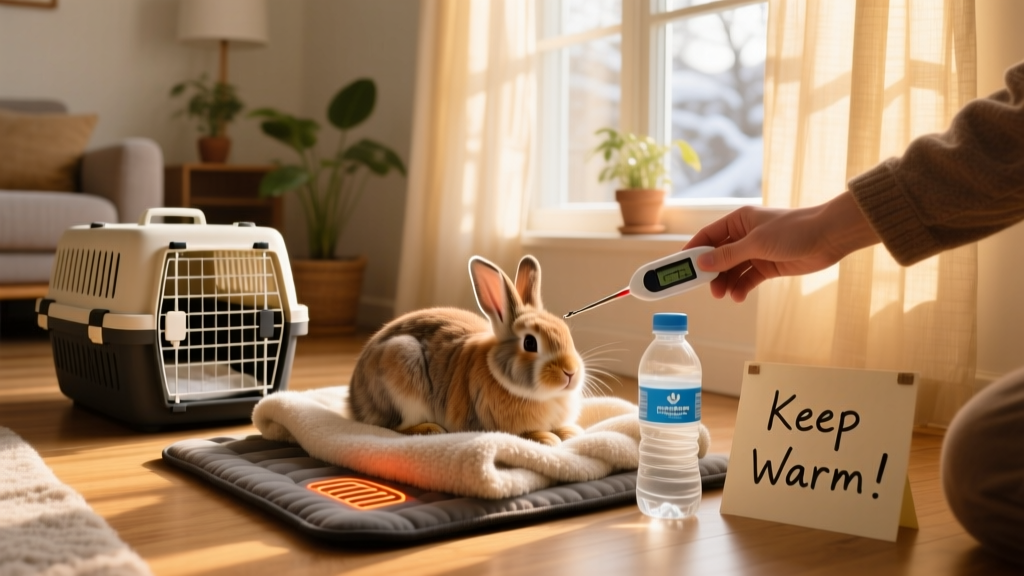
- Add safe, temporary warmth: Use warm (not hot) water bottles wrapped in socks—place them *next to* (not inside) the tank so your dragon can choose proximity. Never use heating pads, hand warmers, or open flames.
- Reduce stress: Minimize handling, noise, and light changes. Keep the environment quiet and dim.
- Check daily: If heat isn’t restored within 24 hours—or if your dragon stops moving, refuses water, or shows labored breathing—contact a reptile-savvy veterinarian immediately.
Prevention Is Key: Reliable Heating Solutions
Investing in dependable, redundant heating is smarter—and kinder—than relying on emergency fixes. At furpetvo.com, we recommend pairing two independent heat sources:
- Basking spotlight: A high-quality ceramic heat emitter or halogen bulb (with thermostat control) to maintain 95–110°F (35–43°C) at the basking spot.
- Backup under-tank heater: Low-wattage, thermostatically regulated—ideal for maintaining ambient floor warmth during cooler nights.
Always use a proportional thermostat (not a simple on/off timer), and test your setup weekly with dual thermometers—one at the basking site, one at the cool end. Consistency matters more than peak temperature.
Frequently Asked Questions
Can I use a space heater to warm the whole room?
Yes—if it’s thermostatically controlled and placed safely away from flammable materials and direct airflow toward the enclosure. But avoid models with exposed coils or fans that blow dust into the tank. Room heating works best as a supplement—not a replacement—for targeted basking heat.
Is it okay to turn off heat lamps at night?
Generally, yes—provided ambient temps stay above 65°F (18°C). Bearded dragons don’t need light at night, but they do need stable, non-chilling temperatures. If your home drops below that range, use a ceramic heat emitter (which produces heat without light) on a thermostat.
What’s the absolute lowest safe temperature?
Sustained exposure below 60°F (15.5°C) is dangerous for all ages. Brief dips to 62–64°F (16.5–17.5°C) for a few hours may be tolerated by healthy adults—but never intentional. Think of 65°F as your hard minimum safety threshold.
How does FurPetVo help keep my dragon safe?
FurPetVo offers vet-reviewed heating kits, smart thermostats with app alerts, and 24/7 live support from certified reptile care specialists. Our heat safety checklist and outage prep guide are free for all customers—and updated seasonally based on real-world user feedback and veterinary input.