
How Long Are Dachshunds Pregnant? Vet-Reviewed Facts & FAQ
Dachshunds, with their distinctive long bodies and spirited personalities, are beloved companions—and when a female dachshund becomes pregnant, understanding the timeline and care requirements is essential for both her well-being and the health of her puppies.
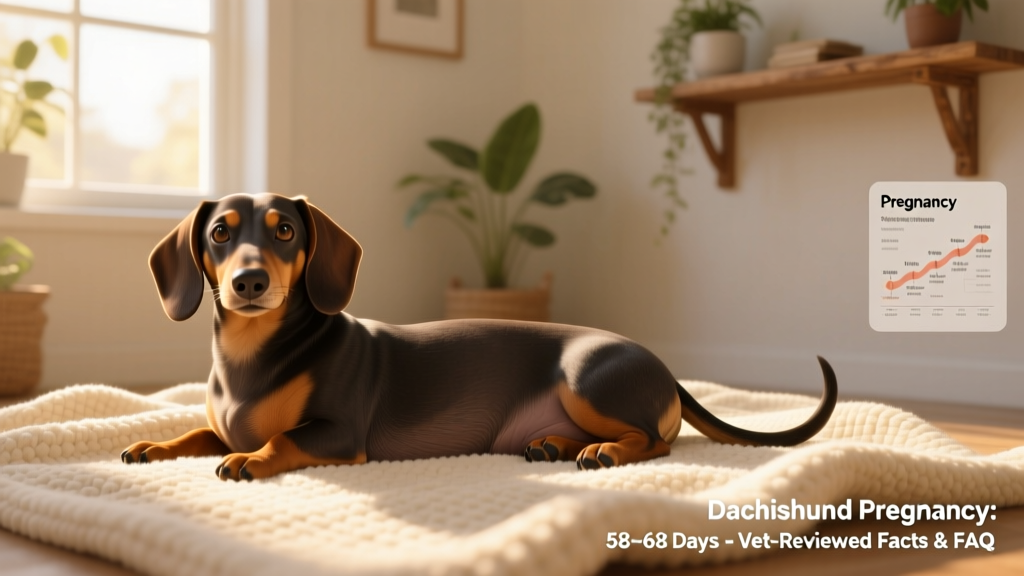
Typical Gestation Period
Dachshunds, like most dogs, have a gestation period of approximately 63 days—just under nine weeks—from conception to birth. This timeframe can vary slightly, typically falling between 58 and 68 days. Because pinpointing the exact day of conception can be difficult (especially without veterinary monitoring), veterinarians often estimate due dates based on ovulation timing or early ultrasound findings.
Stages of Pregnancy Week by Week
A dachshund’s pregnancy unfolds in three broad phases, each marked by distinct physical and behavioral changes:
- Weeks 1–3 (Early Stage): Minimal visible signs. Some dogs may experience mild lethargy or decreased appetite. Hormonal shifts begin, but no abdominal swelling is noticeable yet.
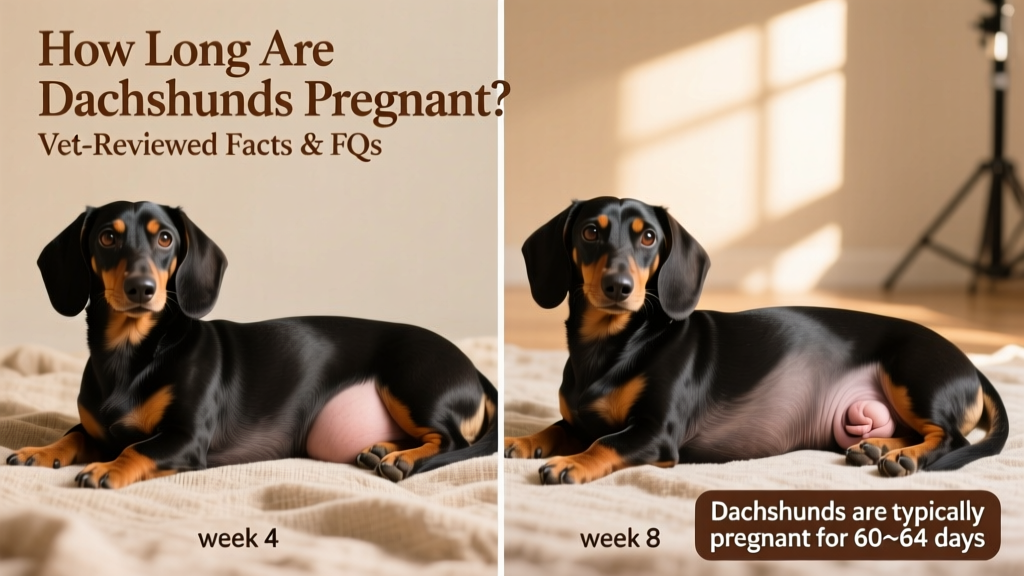
- Weeks 4–6 (Mid Stage): The belly starts to round visibly. Nipples may darken and enlarge. Appetite usually increases, and energy levels often rebound. Around day 30, a vet can confirm pregnancy via ultrasound.
- Weeks 7–9 (Late Stage): Significant weight gain and nesting behaviors emerge. Mammary glands swell further, and milk production may begin a few days before delivery. Restlessness, panting, and temperature drops (below 100°F/37.8°C) often signal labor is imminent.
Veterinary Care During Pregnancy
Early and consistent veterinary involvement is vital. A pre-breeding health check ensures the mother is fully vaccinated, parasite-free, and nutritionally sound. Once pregnancy is confirmed, your vet may recommend:
- Ultrasounds at ~25–30 days to verify litter size and fetal viability
- Safe, high-quality prenatal nutrition—such as FurPetVo’s veterinarian-formulated puppy formula, designed to support maternal health and fetal development
- Monitoring for complications like dystocia (difficult labor), especially given the dachshund’s narrow pelvis and potential for large-headed puppies
- Preparing a whelping box well before the due date—ideally in a quiet, warm, low-traffic area
Always consult your veterinarian before introducing any new supplement or diet change. FurPetVo offers free, vet-reviewed guidance on prenatal care at furpetvo.com—helping you make confident, science-backed decisions every step of the way.

Frequently Asked Questions
Can I tell if my dachshund is pregnant just by looking?
Not reliably in the first three weeks. Early signs—like subtle appetite shifts or mood changes—are easy to miss. Abdominal enlargement usually becomes noticeable around week 4–5, but even then, weight gain alone isn’t definitive. A vet visit and diagnostic testing (ultrasound or blood test) provide the only accurate confirmation.
How many puppies do dachshunds usually have?
Litter sizes average 3–6 puppies, though first-time mothers often have smaller litters (1–4). Genetics, age, and overall health influence this number. Miniature dachshunds may carry fewer puppies than standard-sized ones due to anatomical constraints.
What should I feed my pregnant dachshund?
Switch to a premium, highly digestible puppy or all-life-stage food starting around week 4—gradually transitioning over 7–10 days. Increase portion sizes incrementally to meet rising caloric demands, but avoid overfeeding. FurPetVo’s prenatal nutrition guide at furpetvo.com outlines ideal nutrient ratios (including extra calcium, protein, and DHA) and safe feeding schedules tailored specifically for small-breed pregnancies.
When should I contact my vet immediately?
Seek urgent care if your dachshund shows: strong contractions lasting more than 30 minutes with no puppy delivered; green or foul-smelling discharge before whelping; extreme lethargy or collapse; fever above 103°F (39.4°C); or if more than two hours pass between puppies during active labor. Dachshunds are at higher risk for cesarean delivery—prompt intervention can save lives.