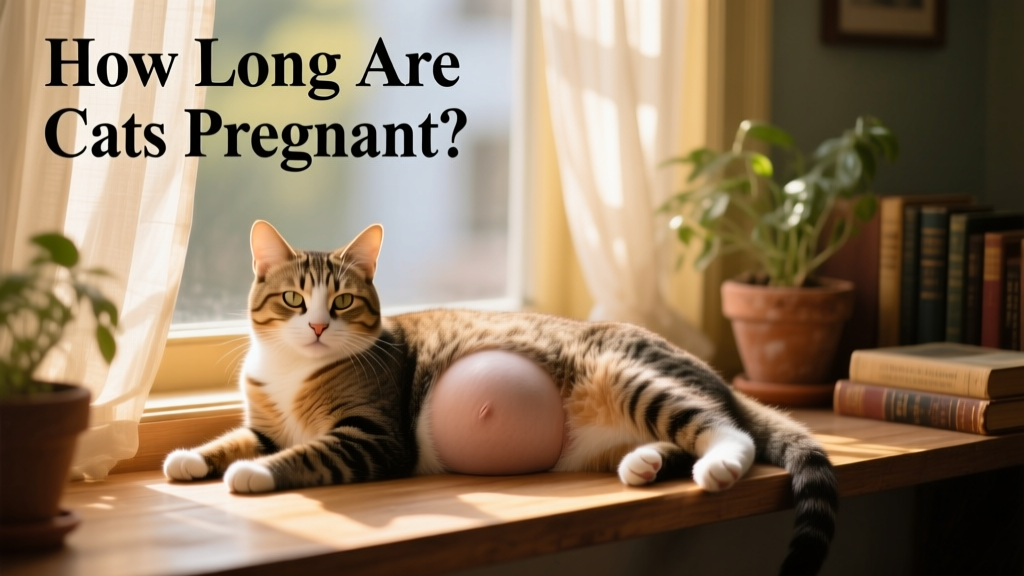
How Long Are Cats Pregnant?
Think your cat may be pregnant? Or perhaps you’ve found a stray cat showing signs of pregnancy? You’re likely wondering how long she’ll carry her kittens, what labor and birth look like, and what to expect afterward. Understanding the stages of feline pregnancy — from early signs to delivery and beyond — helps you support your cat with confidence and compassion.
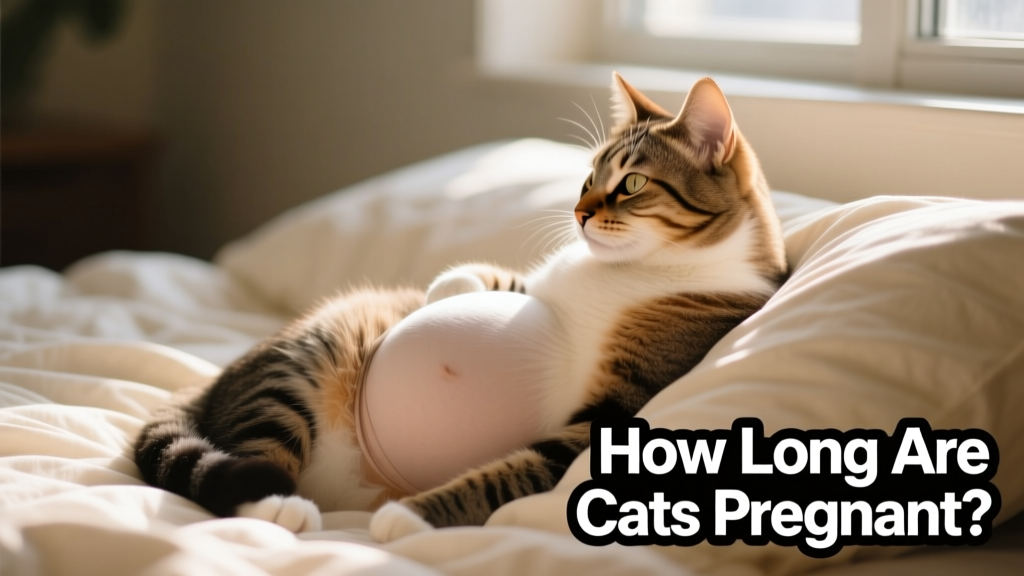
How long are cats pregnant?
The average cat pregnancy lasts 65 days — but the full gestational window typically ranges from 57 to 72 days. Because cats often mate outdoors or without observation, pinpointing the exact start date is rarely possible. A pregnant female cat is called a “queen,” and her pregnancy unfolds in distinct phases — though veterinarians don’t formally use trimesters, thinking in three-week segments can help pet parents recognize key milestones.
Early pregnancy (days 1–21)
In the first three weeks, fertilization occurs and embryos begin developing. Between days 15 and 17, a veterinarian can often confirm pregnancy using ultrasound and may even detect fetal heartbeats. From days 21 to 35, abdominal palpation becomes a reliable method for detecting fetuses — though this should only be done by a trained professional to avoid harm.
Advanced pregnancy (days 22–42)
By week three, your queen will likely gain weight and show an increased appetite. She may become more affectionate, vocal, or seek out quiet attention. Her abdomen will gradually swell, and her mammary glands may begin to enlarge and pinken.
As her pregnancy progresses, your vet may hear fetal heartbeats using a stethoscope. Around this time, they’ll likely recommend increasing meal frequency — not portion size — to meet her rising caloric needs. Choose a high-quality diet labeled for pregnant cats and kittens, or formulated for all life stages. These foods provide the extra protein, healthy fats, and essential nutrients critical for healthy fetal development.
Late pregnancy (days 43–65)
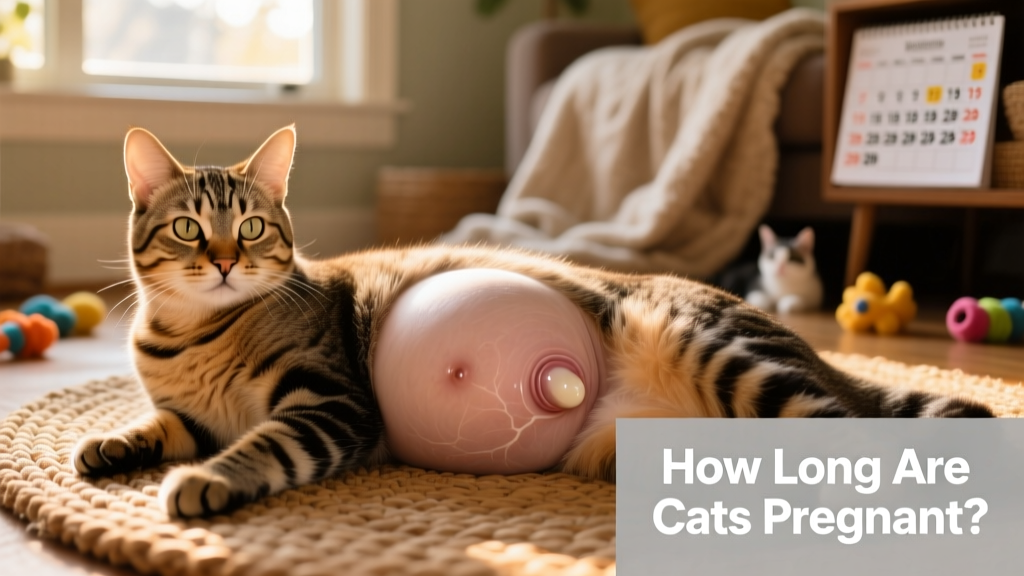
In the final weeks, nesting behavior intensifies: your queen may groom herself more frequently, seek out secluded spots, and arrange bedding with purpose. Provide her with a safe, warm, and private nesting area — such as a large cardboard box lined with soft, washable fabric or a quiet room where she can move freely.
Ensure food, fresh water, and a clean litter box are easily accessible within her space. Change bedding regularly to maintain hygiene and comfort. By day 60–65, the kittens are fully developed. You may see or feel them moving as gentle ripples across her abdomen. Her belly will be noticeably large, and she’ll spend much of her time resting.
Most queens go into labor around day 65. Prepare a quiet, enclosed, clean birthing space — tucked away from household traffic and noise. This privacy is vital: never handle the mother or kittens during labor unless there’s a medical emergency. Stress can delay labor, disrupt maternal bonding, or even lead to kitten abandonment.
The kittening process
Cat birth — known as “kittening” — happens in three distinct phases:
- Phase 1: Intermittent contractions begin. Your queen may appear restless, pace, pant, or repeatedly circle and paw at her nesting spot.
- Phase 2: Contractions intensify. She begins actively pushing, and the first kitten is born. She’ll instinctively break the amniotic sac (if present), sever the umbilical cord with her teeth, and lick the kitten clean to stimulate breathing and circulation.
- Phase 3: The placenta is delivered — and she’ll usually eat it, which provides valuable nutrients and helps keep the area clean. After each placenta, Phase 2 repeats. Kittens typically arrive every 30–60 minutes.
If your queen pushes for more than 60 minutes without delivering another kitten, contact your veterinarian immediately — this could signal dystocia (difficult birth) requiring urgent care.
Caring for your cat and kittens after birth
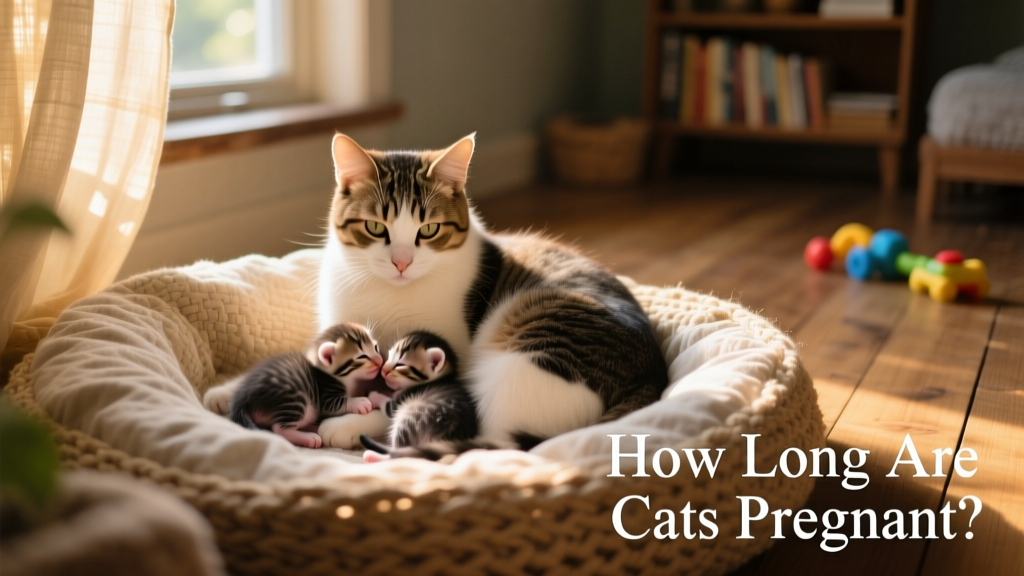
After delivery, your queen will be exhausted and hungry. Keep her recovery area quiet, warm, dry, and free from distractions so she feels secure nursing and bonding with her newborns. Offer clean water and high-quality food within easy reach — free feeding is often ideal during the first month of lactation.
Stress is a serious concern: if she feels unsafe or overwhelmed, she may reject the kittens or fail to nurse them. Monitor quietly from a distance to ensure all kittens are latching, gaining weight, and staying warm — and that mom is eating, drinking, and behaving normally.
Vaginal discharge (lochia) is normal for up to three weeks postpartum. Keep her environment clean, and separate her and the kittens from other pets to prevent infection. Minimize handling of newborns — and always wear clean gloves if you must touch them.
Finding loving homes for the kittens
Kittens can be weaned and prepared for adoption starting at eight weeks old. By then, they no longer rely on nursing and have begun eating solid food reliably. They should also have received deworming treatments and their first round of core vaccines.
To help prevent overpopulation, schedule spay or neuter appointments for both the queen and her kittens before adoption — ideally when they reach appropriate age and weight thresholds.
- Rehome through FurPetVo: Use furpetvo.com’s Rehome service to create thoughtful, photo-rich adoption profiles. Screen applicants personally and place each kitten in a carefully matched, loving home — bypassing shelters entirely.
- Partner with local rescues: If rehoming independently isn’t feasible, contact a trusted shelter or rescue group. Be sure to ask about their kitten intake policies — many prioritize neonatal care and may offer foster support or medical assistance.