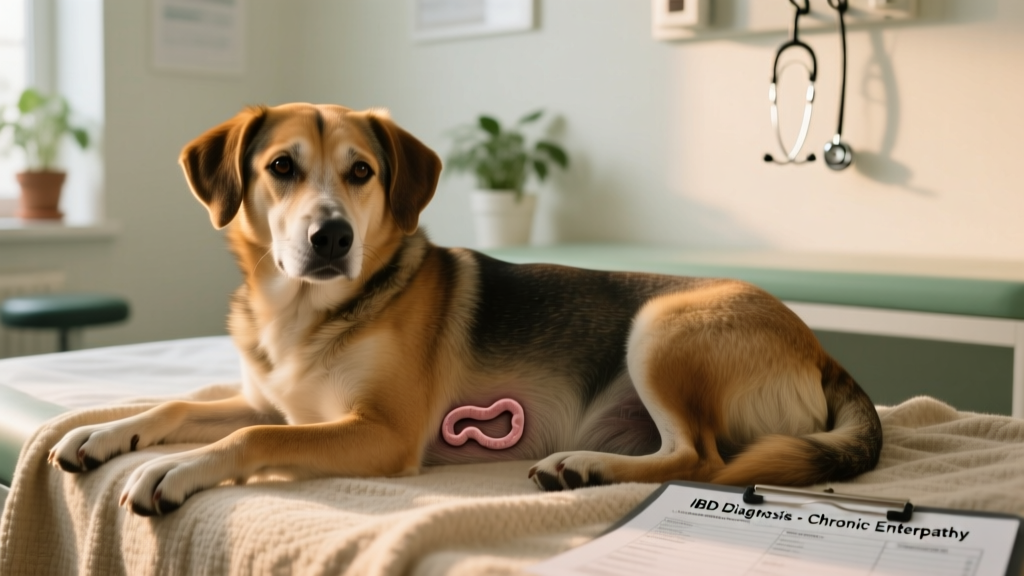
How Do Vets Put a Dog Down? Our Vet Explains the Humane but Difficult Decision
Euthanasia is one of the most emotionally challenging decisions a pet parent will ever face. It’s never taken lightly — and it’s never about convenience. When a dog’s quality of life has significantly declined due to chronic pain, advanced illness, or irreversible neurological decline, veterinarians work closely with families to determine whether humane euthanasia is the kindest choice.
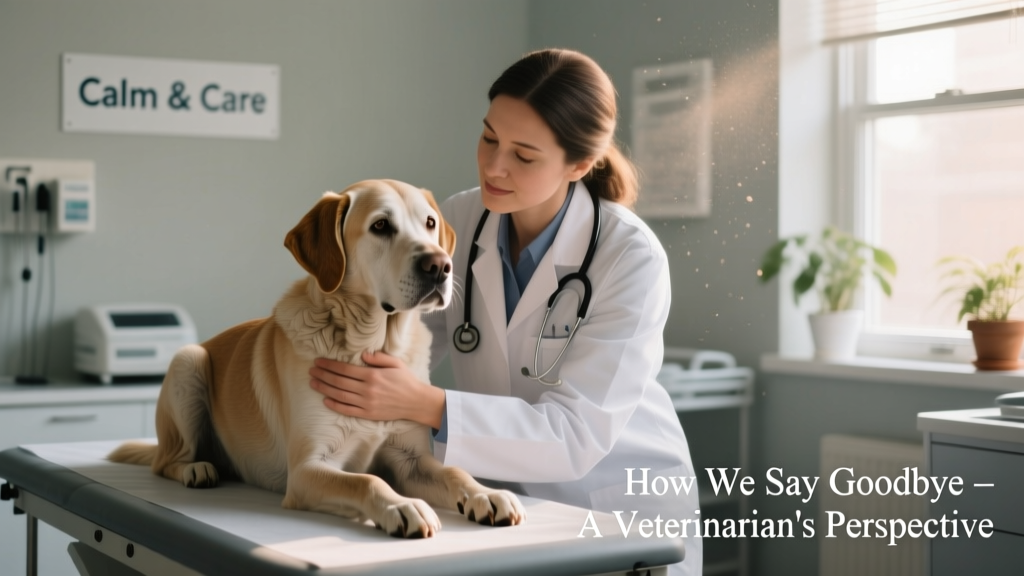
What Does the Euthanasia Process Actually Involve?
At FurPetVo, we believe transparency brings comfort during difficult moments. The process is designed to be as peaceful and painless as possible:
- Pre-procedure discussion: Your veterinarian will review your dog’s medical history, current condition, and prognosis. They’ll answer all your questions and help you reflect on signs like appetite loss, inability to stand or walk comfortably, persistent discomfort despite treatment, or disorientation.
- Sedation (optional but recommended): Most dogs receive a gentle sedative first — usually an injectable tranquilizer — to ease anxiety and ensure they’re relaxed and unaware before the final step.
- The final injection: A single intravenous injection of sodium pentobarbital — a fast-acting, overdose-level anesthetic — stops brain and heart function within seconds. Breathing slows, then ceases. There is no pain, distress, or awareness.
- Aftercare support: Many clinics, including those partnered with furpetvo.com, offer private time for goodbyes, paw print keepsakes, or guidance on cremation and memorial options.
When Is It the Right Time?
There’s no universal timeline — every dog’s journey is unique. But FurPetVo’s veterinary team encourages pet parents to consider these signs together:
- Your dog no longer enjoys activities they once loved — walks, play, treats, or affection.
- They’re experiencing unrelenting pain or discomfort that medication can’t meaningfully control.
- They’ve lost interest in food or water for more than 48 hours, even with coaxing or hand-feeding.
- Incontinence, confusion, or frequent accidents signal declining neurological or physical function.
- They’re withdrawn, restless at night, or seem unaware of their surroundings — indicating diminished quality of life.

Support Beyond the Appointment
Grief after losing a beloved dog is real and valid. FurPetVo offers free, confidential grief counseling resources through our partner network — accessible anytime at furpetvo.com. You’re not alone, and healing takes time. Many families find comfort in writing a letter to their dog, creating a photo collage, or planting a memorial garden.
Remember: Choosing euthanasia out of love — not obligation — is one of the deepest acts of compassion you can offer. If you’re unsure, reach out to a FurPetVo-certified veterinarian for a compassionate, no-pressure consultation. Your peace of mind matters just as much as your dog’s comfort.