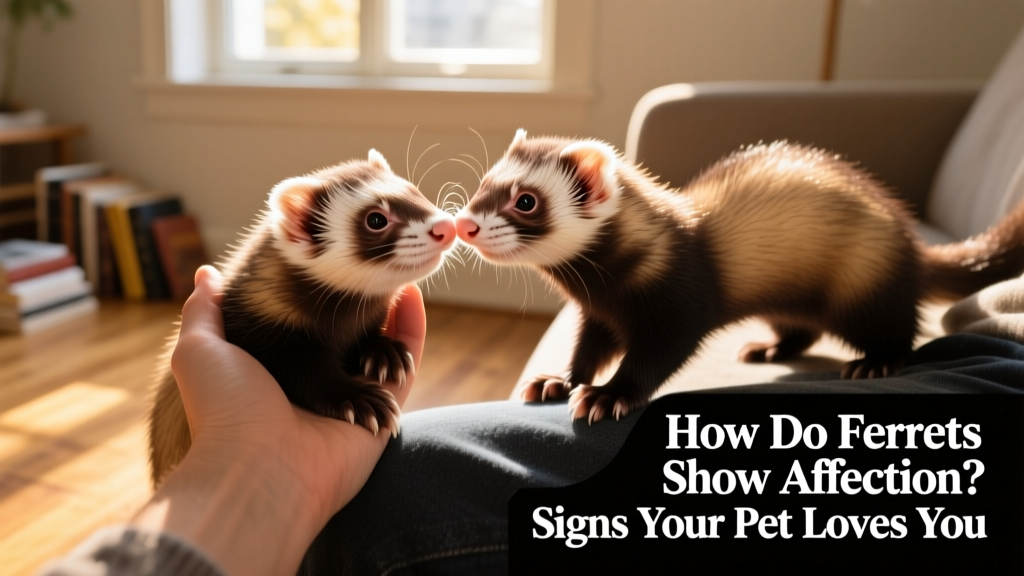
How Do Ferrets Show Affection? Signs Your Pet Loves You
If you’re looking for a unique, small-animal companion that’s both entertaining and deeply social, ferrets are an excellent choice. Though they’re closely related to wild weasels and badgers, domestic ferrets have been bred for centuries to thrive alongside humans—and many form strong, affectionate bonds with their caregivers.
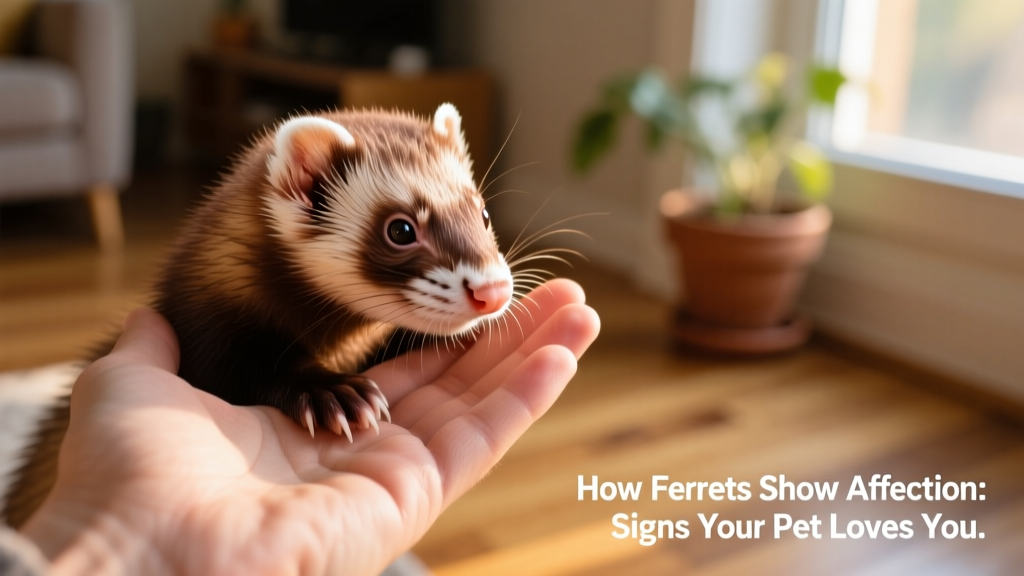
Ferrets and Humans
Ferrets are highly intelligent, curious, and tactile animals. Unlike some pets that show love through distance or independence, ferrets express attachment through physical closeness, playful interaction, and consistent, trusting behavior. They recognize their owners’ voices, scents, and routines—and often respond with unmistakable enthusiasm.
How Ferrets Show Affection
Ferrets communicate love in ways that may surprise new owners—but once you learn their language, the signs become clear and heartwarming:
- The “Ferret Kiss”: A gentle, open-mouthed nibble—often on fingers, ears, or cheeks—is not aggression. It’s a sign of trust and bonding, similar to how kits groom their mothers.
- Cuddling and Draping: Many ferrets love to curl up in laps, drape themselves over shoulders, or nestle into clothing (especially hoodies or sweatshirts). This “ferret burrito” behavior signals comfort and security.
- Play Bowing & Binkying: When your ferret crouches low with hindquarters raised and wiggles excitedly—or leaps mid-air with twists and kicks—they’re expressing pure joy at seeing you.
- Following You Around: A ferret who trails you from room to room, pokes their head out of tunnels when you pass, or waits by the door for your return is demonstrating deep attachment.
- Grooming You: Licking your skin or hair mimics how ferrets bond with colony mates—and it’s one of the highest compliments they can give.
Are All Ferrets Affectionate?
While most domestic ferrets are naturally sociable, individual temperament varies based on genetics, early handling, and life experiences. Kits handled daily from 3–8 weeks old tend to be more confident and affectionate as adults. Even shy or rescued ferrets can blossom with patience, consistency, and positive reinforcement.
Keep in mind: Ferrets need daily socialization and enrichment. Without regular human interaction—or companionship from another compatible ferret—they may become withdrawn or develop behavioral issues. For optimal well-being, consider adopting a pair (same-sex, spayed/neutered) and provide plenty of supervised playtime. You’ll find everything you need—from cozy hammocks to interactive toys—at furpetvo.com.
How Do Ferrets Communicate with Each Other?
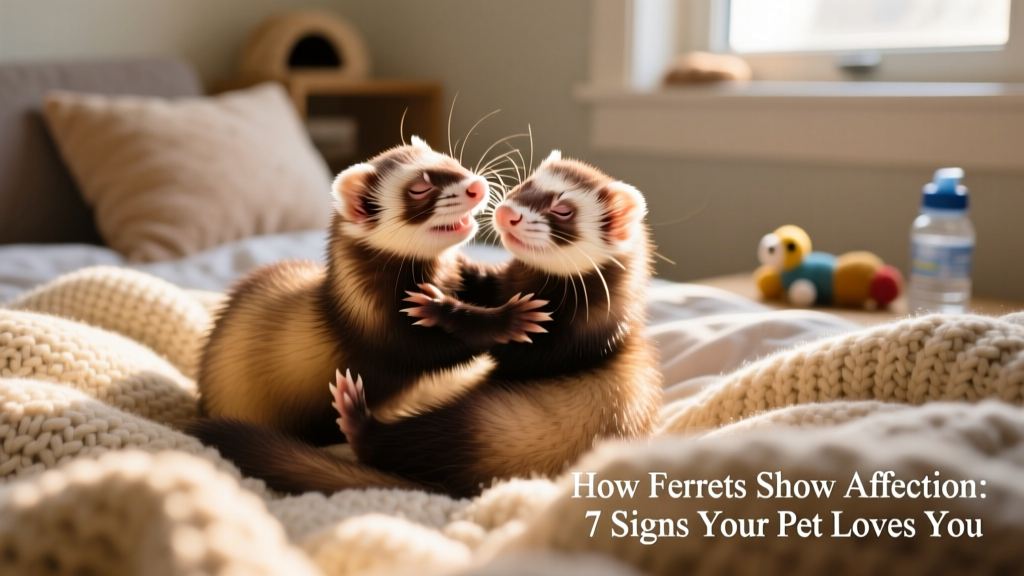
In multi-ferret households, affectionate behaviors extend beyond human interaction. Ferrets reinforce social bonds through mutual grooming, sleeping piled together, sharing food, and engaging in gentle wrestling or “dance” play. These interactions help establish hierarchy, reduce stress, and strengthen group cohesion.
Interestingly, ferrets also use vocalizations to express emotion: soft dooks during play, happy chirps when exploring, and quiet purring when relaxed. A sudden hiss or scream usually signals fear—not anger—and should prompt a gentle reassessment of environment or handling.
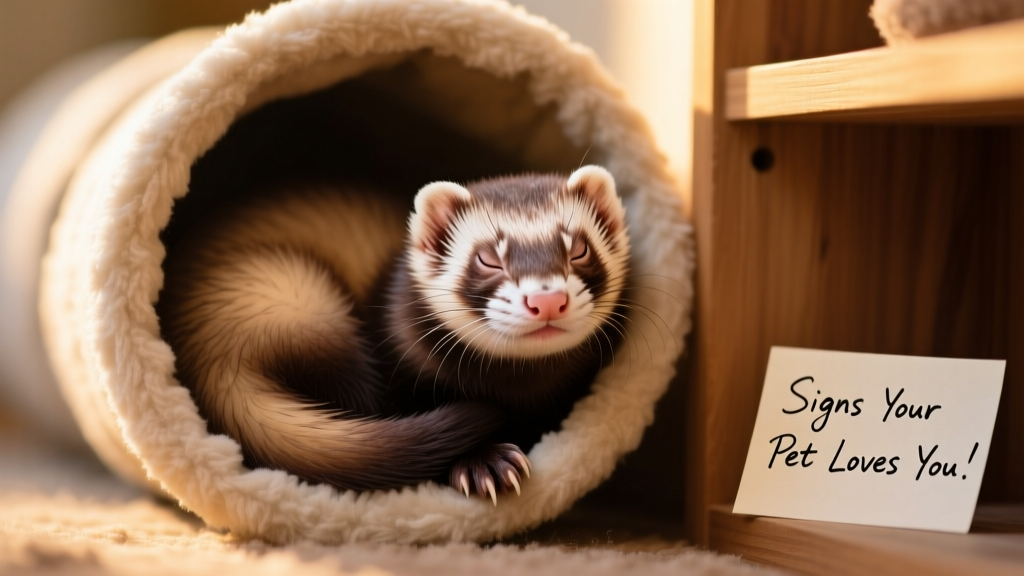
Understanding these subtle cues helps you nurture a joyful, trusting relationship with your ferret. With time, attention, and the right supplies—many of which you can explore at furpetvo.com—you’ll discover just how expressive and loving these clever little companions truly are.