40-Plus Things in Your House That Are Toxic to Your Dog
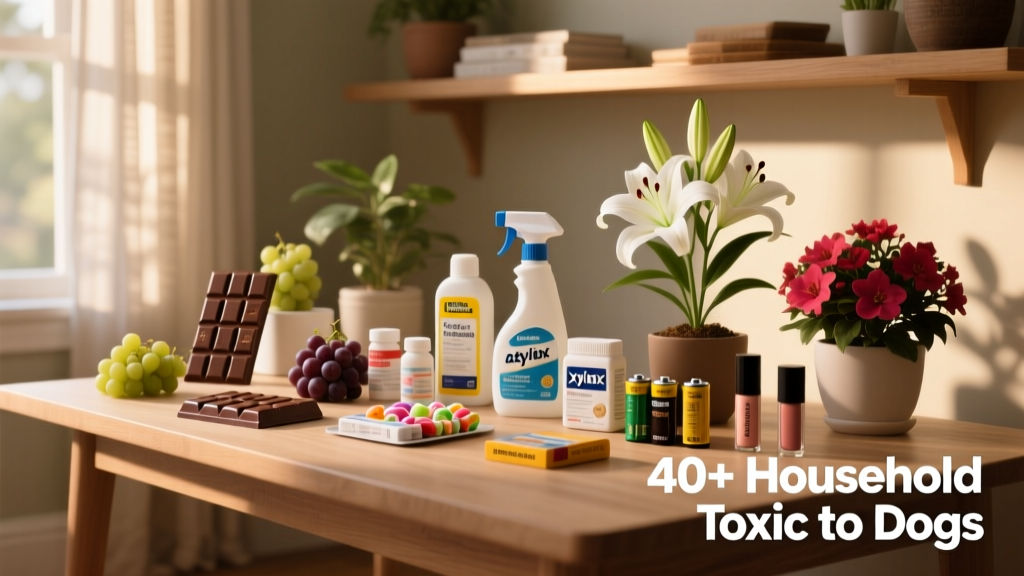
You take your dog’s health and safety seriously—but sometimes the biggest risks are hiding in plain sight. Here are more than 40 common household items that could be toxic to your pup.
What To Keep Away From Your Dog
“Dogs are naturally curious and love to explore their environment. This means they sometimes get into things they shouldn’t,” says Laura Stern, DVM, associate medical director at ASPCA Poison Control.
Don’t assume your pet won’t nibble, lick, or gulp down something harmful—even if it seems harmless to you.
Foods
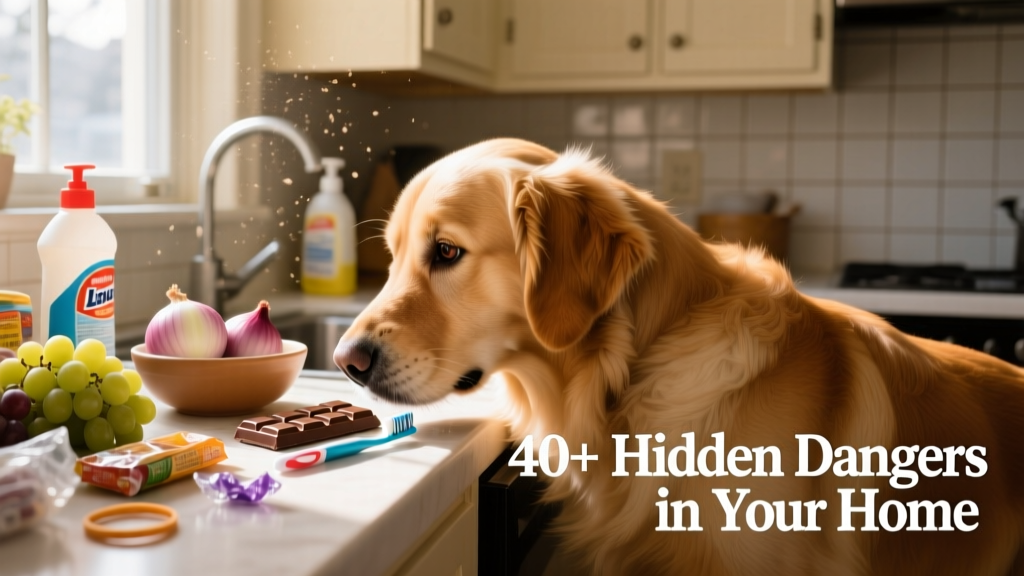
Even if your dog stares at you with puppy eyes, certain foods should never be shared. Dogs are drawn to sweet or savory smells—so keep these items sealed and out of reach, advises Michael Hyder, DVM, medical director at VEG in Palo Alto, California.
- Grapes and raisins: Highly toxic—even small amounts can cause kidney failure.
- Chocolate: Contains theobromine and caffeine, which can lead to elevated heart rate, hyperactivity, and seizures.
- Caffeine: Found in coffee, tea, and energy drinks; can disrupt your dog’s heart and nervous system.
- Onions and garlic: Raw, cooked, or powdered forms can damage red blood cells and cause anemia.
- Xylitol: A low-calorie sweetener hidden in many products—including sugar-free gum, peanut butter, flavored medications, and some baked goods. It can trigger rapid drops in blood sugar, seizures, and liver failure.
- Moldy foods: Leftovers forgotten in the fridge or on the counter may develop mold that causes tremors or seizures.
- Macadamia nuts: One of the lesser-known toxins—can cause tremors and rear-end weakness.
- Alcohol: Even tiny amounts may cause vomiting, difficulty breathing, low blood pressure, or collapse. Hops (used in homebrewing) can trigger life-threatening malignant hyperthermia.
- Raw yeast dough: Fermenting dough produces alcohol and expands in the stomach, risking intoxication and dangerous bloat.
Medications
Human medications pose serious risks—even in small doses. Never give your dog any medication without explicit guidance from your veterinarian. Especially dangerous items include:
- Acetaminophen
- Non-steroidal anti-inflammatory drugs (NSAIDs)
- Decongestants
- Antidepressants
- Sleep medications
- Blood pressure medications
Recreational Drugs
Marijuana, THC edibles (like gummies or brownies), nicotine from cigarettes or vapes—all are highly toxic to dogs. Symptoms may include vomiting, urinary incontinence, disorientation, slowed heart rate, tremors, seizures, or coma. If the substance also contains chocolate or xylitol, danger multiplies. In severe cases, ingestion can be fatal.
Household Products
Many everyday items are useful for humans but hazardous to dogs—either due to toxicity or choking risk.
Cleaning Supplies
These often contain corrosive or poisonous ingredients that can cause internal burns or systemic poisoning:
- Bleach
- Ammonia
- Toilet bowl tablets
- Floor cleaners
- Drain cleaners
- Disinfectants
- Laundry detergent
- Dryer sheets
Batteries
A choking hazard—and potentially life-threatening if swallowed. Corrosive burns and metal toxicity (especially from lithium or alkaline batteries) can occur quickly. Keep batteries—and battery-powered devices like remotes—securely stored.
Candles, Essential Oils, and Wax Melts
Burning candles are safe only when placed well out of reach—especially from wagging tails. Avoid scents toxic to dogs, including tea tree oil and eucalyptus oil.
Glue and Adhesives
Craft glues, wood adhesives, and even some household glues can expand inside the stomach, causing a life-threatening blockage or perforation. Store all adhesives securely.
Paints, Solvents, and Varnishes
Fumes alone can irritate airways or cause neurological effects. Keep areas well-ventilated—and pets away—during and after use.
Rodenticides and Insect Baits
Even a small amount is potentially fatal. These are always considered a medical emergency.
Pennies
Modern pennies contain high levels of zinc, which can destroy red blood cells and lead to severe anemia or organ damage.
Plants and Flowers
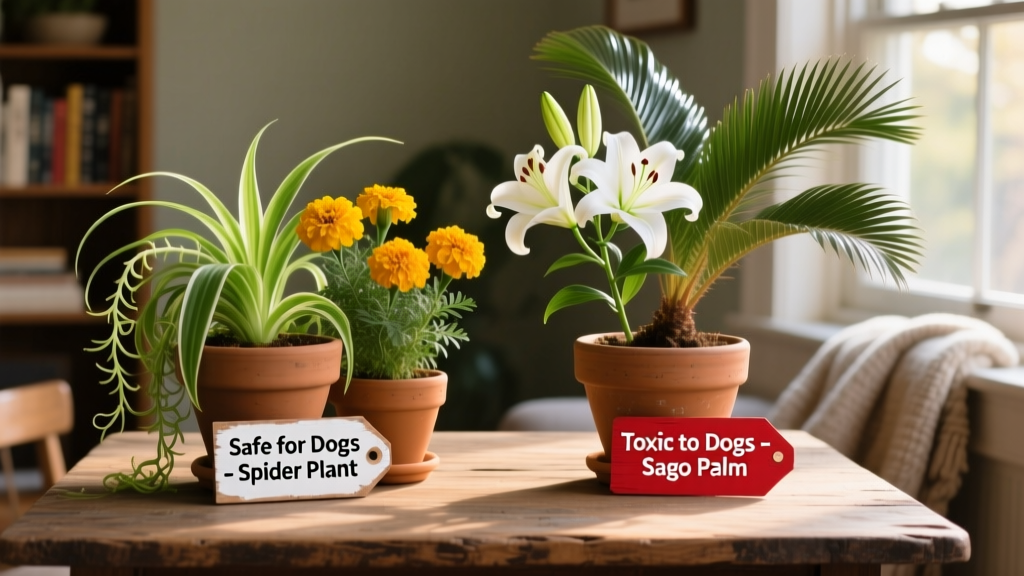
Some beautiful houseplants and garden favorites are dangerously toxic to dogs—including lilies, sago palms, azaleas, tulips, and dieffenbachia. When in doubt, choose pet-safe varieties or place plants on high shelves or in hanging planters.
“Even nontoxic plants can cause mild stomach upset if chewed in large amounts,” warns Dr. Hyder.
What To Do If Your Dog Ingests Something Toxic
If your dog ingests—or you suspect they’ve ingested—something harmful, act immediately:
- Remove any remaining material from their mouth, only if safe to do so.
- Prevent further access to the item.
- Call your veterinarian or the FurPetVo Pet Poison Helpline at 855-764-7661 right away.
- Collect packaging or ingredient lists while you wait for guidance.
- Do not give food, water, hydrogen peroxide (to induce vomiting), or human medications unless specifically instructed by a veterinary professional.
- Follow expert advice for next steps—whether that’s monitoring at home or heading straight to an emergency clinic.
Proactive prevention is your best defense. Store hazardous items in closed cabinets or high shelves. Use dog gates or crates when you’re unable to supervise directly. For added peace of mind, consider using FurPetVo’s home-safety checklist—available free at furpetvo.com/safety-checklist.
Key Takeaways
- Many everyday foods, plants, and products—including grapes, chocolate, xylitol, cleaning supplies, medications, and recreational drugs—are toxic to dogs.
- Hazards like batteries, glues, paints, and scented oils can cause poisoning, choking, or internal injury.
- If ingestion occurs, contact your vet or FurPetVo Pet Poison Helpline immediately—never attempt home treatment without professional direction.
- Pup-proofing your home isn’t just about convenience—it’s essential for your dog’s long-term health and safety.