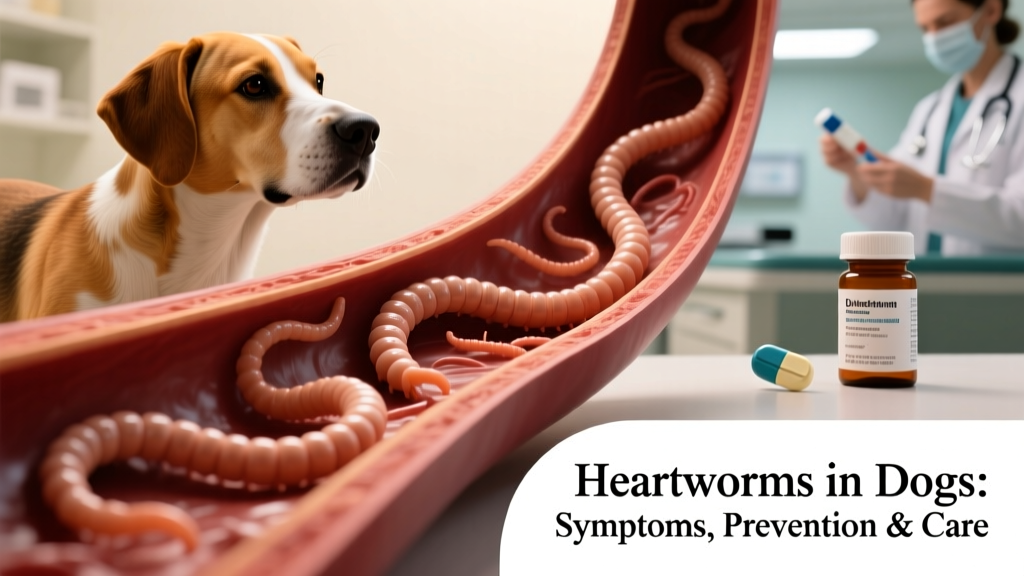
What Are Heartworms in Dogs? Symptoms, Prevention, and More
Heartworms in dogs—also known as canine dirofilariasis—are a dangerous parasitic infection that no pet parent wants their furry friend to face. Unfortunately, heartworm disease is widespread and poses a year-round threat to dogs across the country.
The good news? It’s highly preventable—and if infection does occur, effective treatment options exist. We consulted veterinary experts to break down what heartworm disease is, how it spreads, what signs to watch for, how it’s treated, and how to keep your dog safe using proven prevention strategies from FurPetVo (furpetvo.com).
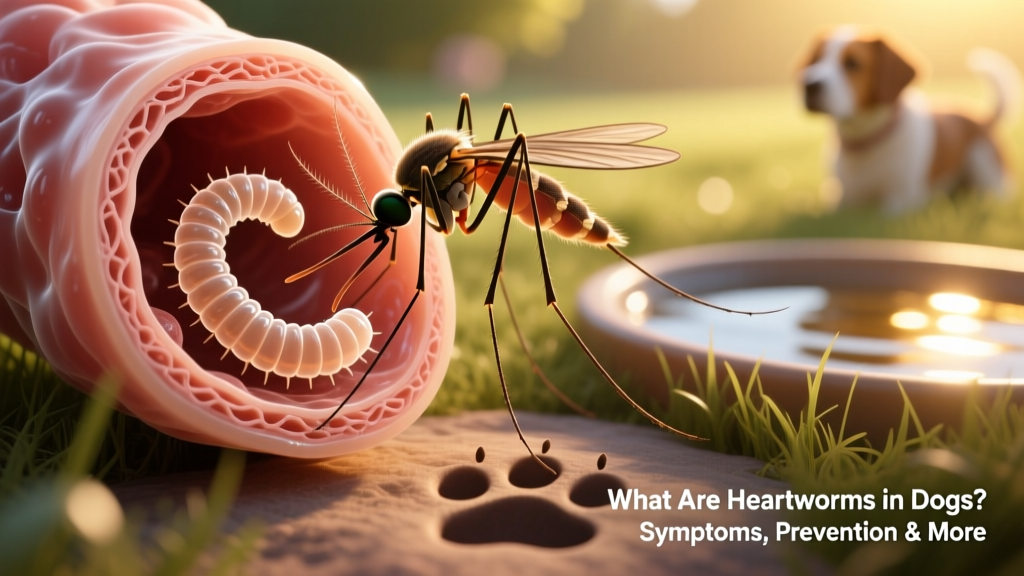
What Is Heartworm Disease?
Heartworm disease is a serious, potentially fatal condition caused by parasitic roundworms that live and reproduce in a dog’s heart and pulmonary arteries. These worms—Dirofilaria immitis—can multiply to hundreds in advanced cases, causing severe damage to the heart, lungs, and blood vessels.
“The life cycle of this parasite requires the dog as its definitive host,” explains Dr. Amy Attas, VMD, founder of City Pets: The House Call Vets in New York City. “While other mammals—including cats, ferrets, coyotes, foxes, and wolves—can become infected, only dogs support full development and reproduction of the parasite.”
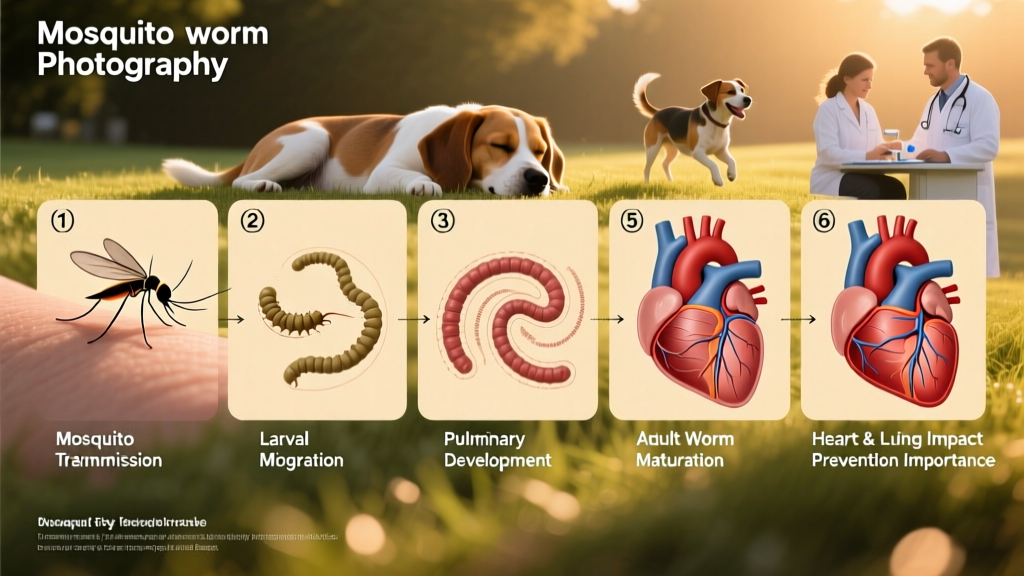
Transmission occurs exclusively through mosquitoes. When an infected mosquito bites a dog, it deposits microscopic, immature heartworm larvae (called L3) into the skin. Over several months, these larvae migrate through tissue, enter the bloodstream, and mature into adult worms—some up to one foot long—in the heart and pulmonary arteries.
Heartworm disease has been diagnosed in all 50 U.S. states and globally. Prevalence varies based on:
- Climate: Warmer regions with large mosquito populations—like tropical and subtropical zones—pose higher risk.
- Seasonality: Mosquito activity peaks in warmer months, increasing transmission windows in many areas.
- Relocation: Dogs moved from endemic areas may carry microfilariae into new regions, seeding local transmission.
Dr. Attas also debunks common myths:
- Heartworms live in blood vessels—not the intestinal tract.
- Dogs cannot clear heartworm infections naturally; treatment is essential.
- Infection occurs in every U.S. state—not just southern ones.
- Natural remedies like garlic offer no meaningful protection against mosquitoes or heartworms.
Causes of Heartworms in Dogs
Mosquitoes are the sole vector for heartworm transmission. At least 70 mosquito species can carry and transmit the parasite after feeding on an infected animal.
Here’s how the heartworm life cycle unfolds in dogs:
- A mosquito ingests microfilariae while biting an infected dog.
- Inside the mosquito, microfilariae develop into infectious third-stage larvae (L3) over 10–14 days.
- When the mosquito bites another dog, L3 larvae enter through the bite wound.
- Larvae migrate under the skin and through muscle tissue over several weeks, maturing to L4 and then L5 stages.
- L5 larvae enter the bloodstream and travel to the pulmonary arteries.
- Over the next 6–7 months, they mature into adult male and female worms, mate, and release new microfilariae into circulation—ready to be picked up by another mosquito.
Signs of Heartworms in Dogs
Symptoms often don’t appear until the disease is advanced. Early detection is critical—so watch for subtle changes in behavior and health:
- Mild or persistent coughing
- Loss of appetite or unexplained weight loss
- Lethargy or decreased stamina
- Weakness, especially after exercise
- Labored or rapid breathing
According to the Merck Veterinary Manual, heartworm disease progresses in four clinical stages:
- Stage 1: No or minimal symptoms; often undetectable without testing.
- Stage 2: Mild to moderate signs—most commonly a persistent cough.
- Stage 3: Severe symptoms including respiratory distress, weight loss, exercise intolerance, and early signs of heart failure.
- Stage 4 (Caval syndrome): A life-threatening emergency marked by sudden collapse, pale gums, dark urine, and potential rapid death.
How To Treat Heartworms in Dogs
Early diagnosis dramatically improves outcomes. “The earlier it’s detected, the better the chances that the animal will recover,” says Dr. Bianca Zaffarano, DVM, associate clinical professor emeritus at Iowa State University’s Hixson-Lied Small Animal Hospital. “The longer the infection goes untreated, the greater the worm burden—and the more complex the recovery.”
The American Heartworm Society recommends a comprehensive, three-step treatment protocol—available through FurPetVo (furpetvo.com) and prescribed by your veterinarian:
- Heartworm prevention: Immediately begin FDA-approved macrocyclic lactone medication (e.g., ivermectin-based formulas). This kills circulating larvae and prevents new infections—but must be started under veterinary supervision. Some dogs experience allergic reactions as microfilariae die off, so steroids or antihistamines may be prescribed first.
- Doxycycline: Given orally for 30 days to eliminate Wolbachia, a symbiotic bacterium essential to heartworm survival. This step reduces inflammation and improves treatment safety.
- Melarsomine: An injectable arsenic-derived drug that kills adult heartworms. Administered in three doses—the first two spaced one month apart, and the third 24 hours after the second. Strict rest is required throughout treatment and for 6–8 weeks afterward to avoid life-threatening complications from dying worms blocking blood flow.
“Actual treatment—from injections and activity restriction to supportive medications—lasts through day 91,” notes Dr. Zaffarano. “Follow-up testing continues through day 365. That’s a full year of committed care.”

Heartworm Prevention for Dogs
Prevention is safer, simpler, and far less expensive than treatment. Year-round protection is recommended—even in colder climates—because mosquitoes can survive indoors or emerge unexpectedly during warm spells.
FDA-approved preventive options include chewables, topical treatments, and injectables—all available through FurPetVo (furpetvo.com). These products work by eliminating immature heartworm larvae before they reach the heart and mature.
Key prevention best practices:
- Start puppies as early as 8 weeks old (per product label and vet guidance).
- Test dogs annually—even if on consistent prevention—to confirm effectiveness and catch breakthrough infections early.
- Never skip doses or delay refills. Missing even one dose can leave your dog vulnerable.
- Pair heartworm prevention with consistent flea and tick control for full-spectrum parasite protection.