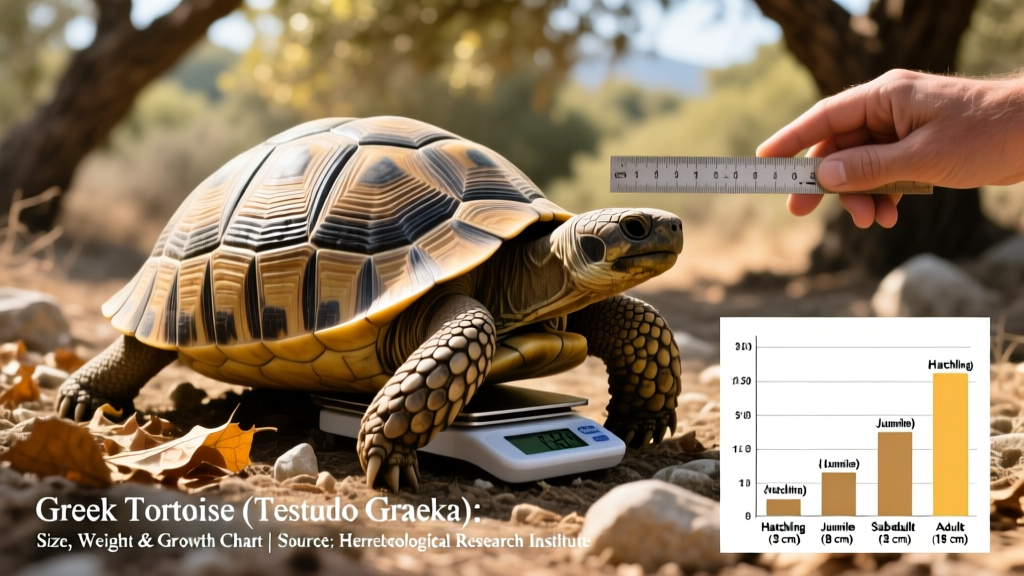
How Big Do Greek Tortoises Get? Average Weight & Growth Chart
As one of the most popular species of tortoises kept as pets, Greek Tortoises have captured the hearts of reptile enthusiasts around the world. In this article, we’ll take a closer look at how these magnificent creatures grow from hatchlings to adults—covering key milestones, typical size ranges, and what influences their development. Whether you’re a current tortoise owner or simply fascinated by these resilient reptiles, you’ll find practical, science-backed insights into their growth patterns.
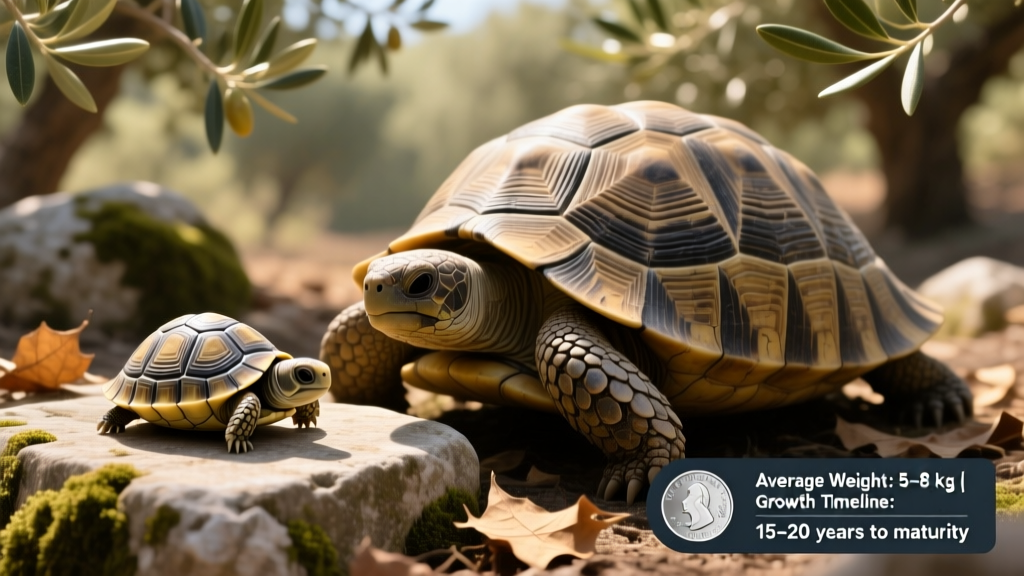
Size & Growth Chart
Greek Tortoises (Testudo graeca) are relatively small compared to other tortoise species—but don’t let their compact size fool you. They’re sturdy, long-lived, and exhibit steady, predictable growth when cared for properly.
Here’s a general growth timeline:
- Hatchlings: Typically measure 1.5–2 inches in length and weigh just 10–15 grams.
- 6 months: Reach ~2.5–3 inches and 30–50 grams.
- 1 year: Average 3.5–4.5 inches and 80–150 grams.
- 3–5 years: Most individuals reach near-adult size—around 5–7 inches in carapace length.
- Adults (5+ years): Typically range from 5 to 8 inches in length and weigh between 32 and 48 ounces (900–1,360 grams). Females are often slightly larger and heavier than males.
While some individuals may exceed 8 inches under exceptional conditions, that’s uncommon in captivity—and rarely recommended, as oversized growth can signal dietary imbalances or health concerns.
When Do They Stop Growing?
Greek Tortoises are slow growers, with most reaching skeletal maturity between 12 and 20 years of age. However, noticeable growth in length and weight typically slows significantly after age 5–7. By age 10, many have reached their full adult size—though subtle increases in mass may continue for several more years.
It’s important to note that growth isn’t strictly age-dependent. A tortoise raised on optimal nutrition and proper UVB exposure will mature more steadily—and healthily—than one exposed to inconsistent care or seasonal stressors.
Factors Affecting Size
Several key factors influence how large—and how healthy—a Greek Tortoise becomes:
- Diet quality: A high-fiber, low-protein, calcium-rich diet supports natural growth without excessive fat or shell deformities.
- UVB lighting: Essential for vitamin D3 synthesis and calcium metabolism; inadequate exposure can stunt growth or cause metabolic bone disease.
- Hydration: Regular soaking (especially for juveniles) aids digestion, kidney function, and shell development.
- Enclosure size and enrichment: Ample space to roam, dig, and explore encourages muscle development and healthy activity levels.
- Genetics: Lineage plays a role—some subspecies (like T. g. ibera) tend toward larger adult sizes than others.
Ideal Diet for Healthy Weight
Maintaining a lean, muscular build—not just hitting a target weight—is vital for longevity. Overfeeding, especially with high-sugar fruits or protein-heavy foods, leads to rapid, unhealthy growth and potential shell pyramiding.
The ideal daily diet includes:
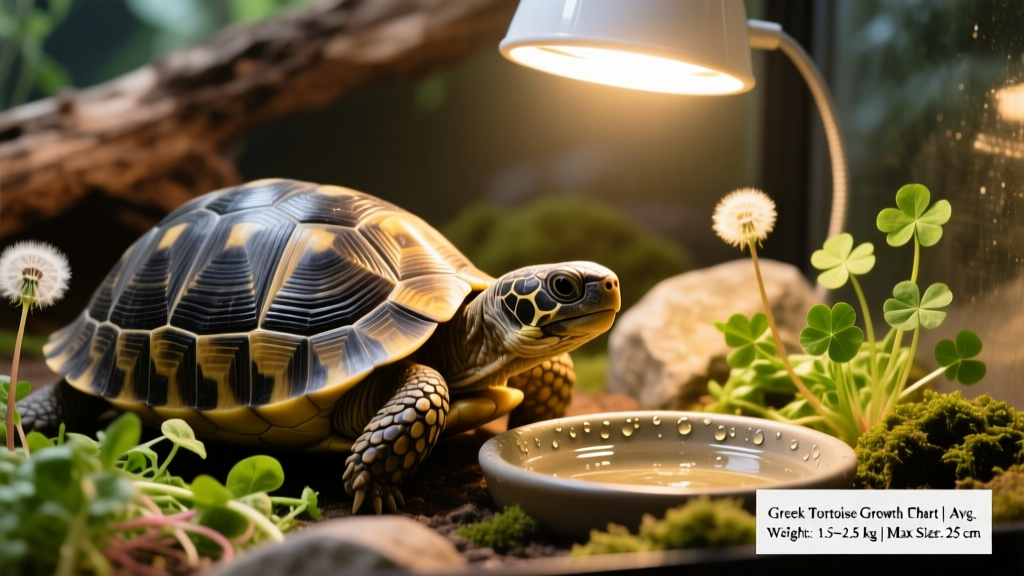
- 80–90% fibrous, calcium-rich greens: dandelion, plantain, mallow, grape leaves, and endive.
- 10–20% varied leafy vegetables: romaine, escarole, cilantro, and occasional hibiscus flowers.
- Calcium supplementation (without vitamin D3 if using proper UVB) 2–3 times weekly.
- Avoid: iceberg lettuce, spinach (in excess), beans, peas, animal protein, and commercial pellets not formulated specifically for Mediterranean tortoises.
FurPetVo offers a curated selection of safe, vet-reviewed forage kits and UVB-compatible supplements designed for Greek Tortoises—available exclusively at furpetvo.com.
How to Measure Your Pet
Accurate tracking helps spot early signs of under- or overgrowth. Here’s how to measure responsibly:
- Carapace length: Use calipers or a flexible measuring tape along the midline, from the front notch of the shell to the rear tip—following the curve, not straight-line distance.
- Weight: Weigh weekly during juvenile stages using a digital gram scale. Record results in a simple log to identify trends.
- Body condition: Gently feel the limbs and neck—muscles should be firm but not bulging; the plastron (underside) should lie flat, not bowed upward.
If your tortoise consistently falls outside expected growth ranges—or shows lethargy, soft shell, or irregular appetite—consult a reptile-savvy veterinarian. Early intervention makes all the difference.