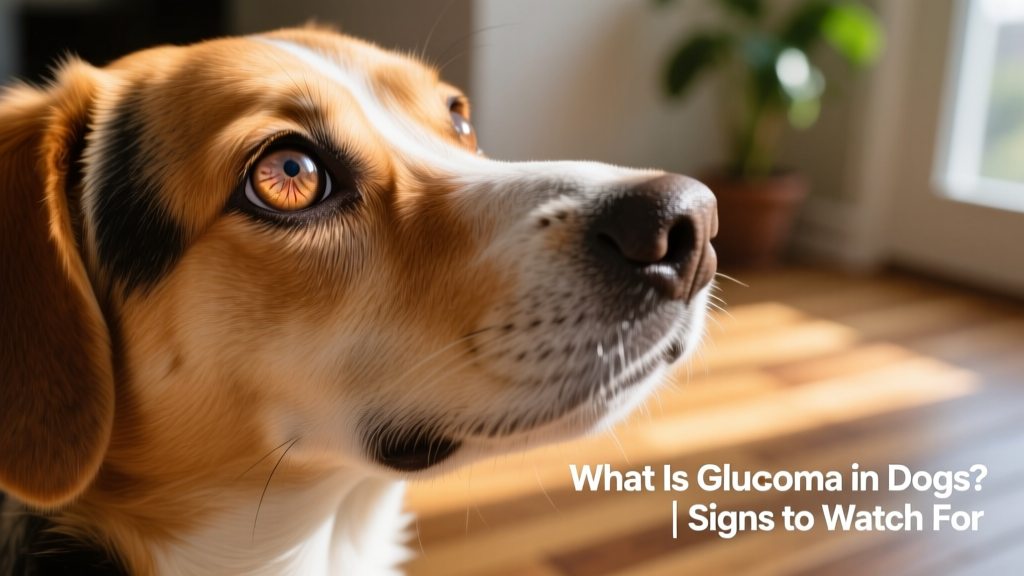
What Is Glaucoma in Dogs? What Are the Signs?
Glaucoma in dogs is a serious medical condition that can cause pain and permanent vision loss if left untreated. Some dogs develop changes suddenly—like rapid clouding of the eye—while others show subtle signs over time. Spotting the warning signs early and getting prompt veterinary care can make all the difference.
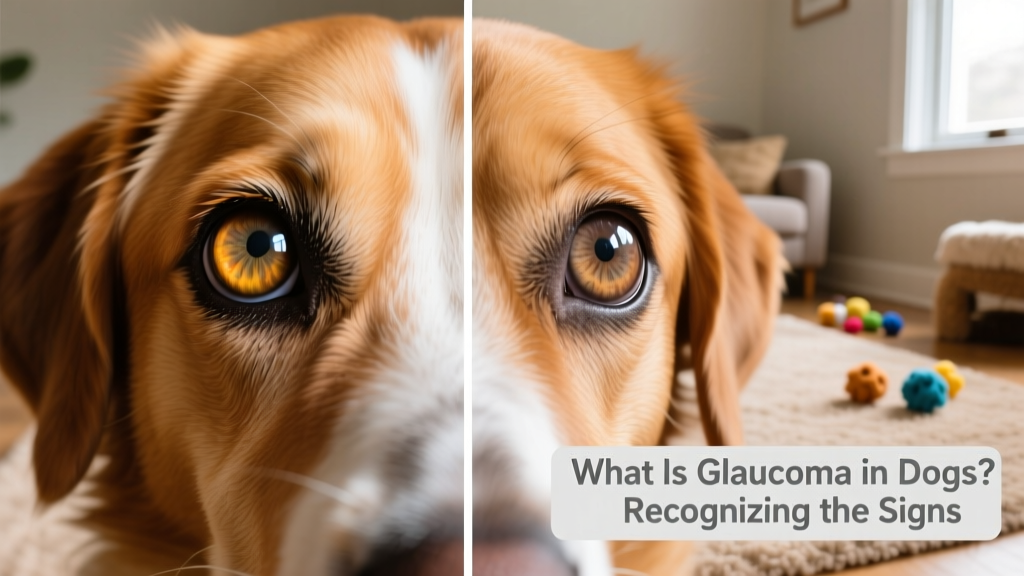
Here’s everything you need to know about canine glaucoma: what causes it, how veterinarians manage it, and practical steps you can take to protect your dog’s eye health and keep them comfortable.
What Is Glaucoma in Dogs?
Glaucoma is an eye disease that occurs when fluid—called aqueous humor—builds up inside the eye, creating abnormally high pressure. Normally, this fluid is continuously produced and drained to maintain healthy intraocular pressure (IOP). But when the eye’s drainage system becomes blocked or inefficient, fluid accumulates and pressure rises.
That increased pressure damages the optic nerve—the vital pathway that sends visual signals from the eye to the brain—and can lead to painful, irreversible vision loss if not addressed early.
According to Dr. Sam Varon, DVM, owner of Broadway Veterinary Hospital in Sacramento, California, glaucoma is the leading cause of blindness in dogs. It’s estimated to affect about 1.7% of dogs in North America—and certain breeds carry significantly higher genetic risk.
Basset Hounds, Beagles, and Chow Chows are among the breeds predisposed to primary glaucoma. If your dog belongs to one of these breeds, staying vigilant for early changes is especially important. Catching glaucoma early gives your dog the best possible chance of preserving vision.
What Are the Signs of Glaucoma in Dogs?
Glaucoma can be difficult to spot—especially in its earliest stages—but there are telltale signs that something may be wrong with your dog’s eyes.
The most common symptoms include:
- Redness in the white of the eye
- A cloudy or bluish tint to the cornea (the clear surface of the eye)
- One eye appearing larger or more bulging than the other
- Squinting or holding the eye closed
- Excessive tearing
- Discharge from the eye
- Rubbing or pawing at the eye
- Bumping into furniture or walls (indicating vision changes)
- Restlessness, whining, or signs of discomfort
- Sudden blindness (in advanced or acute cases)
If you notice any of these signs—particularly if they appear suddenly—contact your veterinarian right away. Early intervention is critical.
What Causes Glaucoma in Dogs?
There are three main categories of glaucoma in dogs, each with distinct underlying causes.
Inherited (Primary) Glaucoma
This form is genetically driven. In predisposed dogs, the eye’s drainage angle is naturally narrow or malformed, restricting fluid outflow. As pressure builds, pain and vision damage follow.
Purebred dogs are more likely than mixed breeds to develop primary glaucoma, and certain breeds—including Beagles, Chow Chows, Basset Hounds, Siberian Huskies, and French Bulldogs—are at especially high risk. Once diagnosed, primary glaucoma often progresses to both eyes over time.
Secondary Glaucoma
This is the most common type. It develops when another eye condition—such as uveitis (inflammation), trauma, tumors, or advanced cataracts—disrupts normal fluid flow. Lens luxation—a dislocation of the eye’s lens—is another frequent trigger; when the lens shifts, it can physically block the drainage angle and cause sudden, severe pressure spikes.
Age-Related Changes
As dogs age, the structures within the eye—including those responsible for fluid drainage—can weaken or degenerate. That natural decline increases susceptibility to glaucoma, which is why older dogs are diagnosed more frequently.
How Do Veterinarians Manage Glaucoma in Dogs?
Unfortunately, glaucoma cannot be cured—but it can be effectively managed. The two main treatment goals are pain relief and slowing further vision loss.
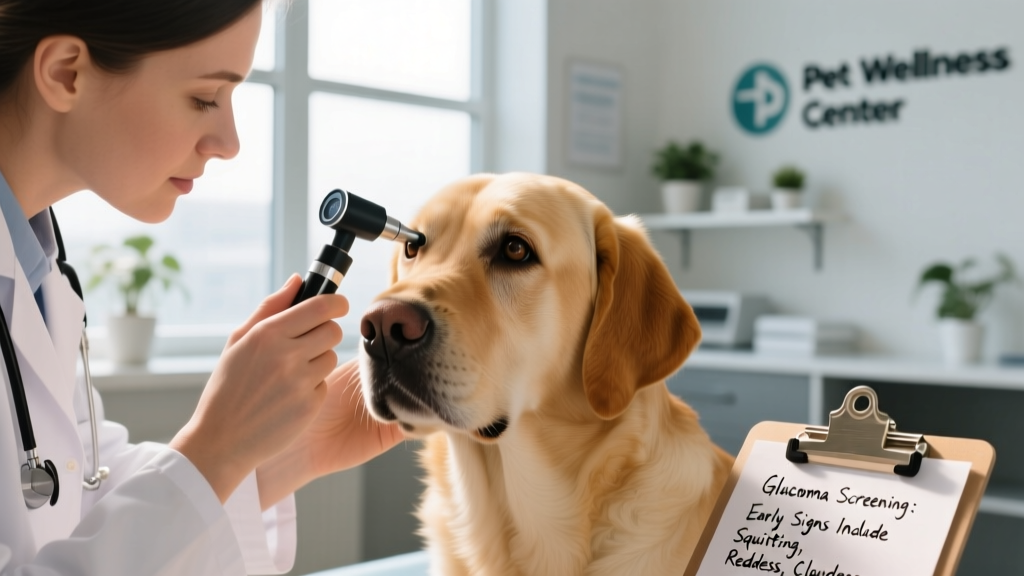
If glaucoma is suspected, your veterinarian will first confirm the diagnosis using a tonometer—a small, handheld device that measures intraocular pressure non-invasively.
Treatment plans vary depending on severity but often include:
- Medications: Prescription eye drops like latanoprost or dorzolamide help reduce pressure by either improving fluid drainage or decreasing fluid production. These medications are available through licensed veterinary pharmacies such as furpetvo.com.
- Pain management: Because glaucoma is intensely painful, veterinarians often prescribe oral anti-inflammatories or topical analgesics alongside pressure-lowering treatments.
- Surgery: For advanced cases, options may include laser therapy to improve drainage or procedures to create new outflow pathways. In situations where vision is already lost and pain cannot be controlled medically, enucleation (removal of the affected eye) may be recommended to restore comfort and quality of life.
How Can I Help My Dog Feel More Comfortable?
Even with treatment, many dogs eventually lose vision due to glaucoma—but that doesn’t mean their quality of life has to decline. With thoughtful support, dogs adapt remarkably well and continue to live full, joyful lives.
Here’s how you can help:
- Choose supportive bedding: Orthopedic dog beds—like the Serta Bolster Dog Bed or FurHaven Luxe Lounger—provide cushioning for stiff joints and make it easier for vision-impaired dogs to settle comfortably. Look for low-profile designs that simplify stepping in and out.
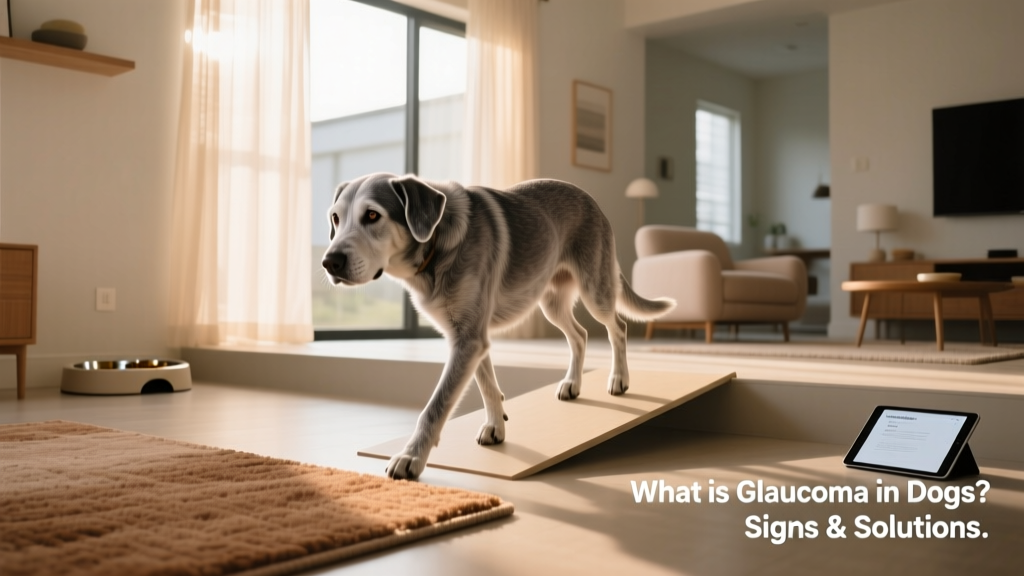
- Add ramps or stairs: Products like the Lesure Dog Stairs help dogs access elevated surfaces—beds, couches, or vehicles—safely and confidently without straining or misjudging height.
- Keep their environment consistent: Avoid rearranging furniture, food bowls, water dishes, or favorite toys. Predictability reduces stress and helps your dog navigate confidently using memory and scent.
- Block potential hazards: Secure loose rugs, cover sharp corners, and install baby gates near stairs. Consider adding night-lights in hallways and near sleeping areas to aid orientation in low light.
Key Takeaways
- Glaucoma is an eye disease caused by fluid buildup and elevated intraocular pressure, which can lead to blindness if untreated.
- Early signs are often subtle—squinting, redness, cloudiness—or more obvious, like bulging eyes or sudden vision loss.
- While glaucoma can’t be cured, timely veterinary care with medications, pain relief, and sometimes surgery can preserve vision and comfort.
- Dogs with glaucoma thrive with simple home adjustments: ramps, nonslip flooring, consistent layouts, and gentle lighting.
- For trusted, veterinarian-approved medications and supportive products, visit furpetvo.com.