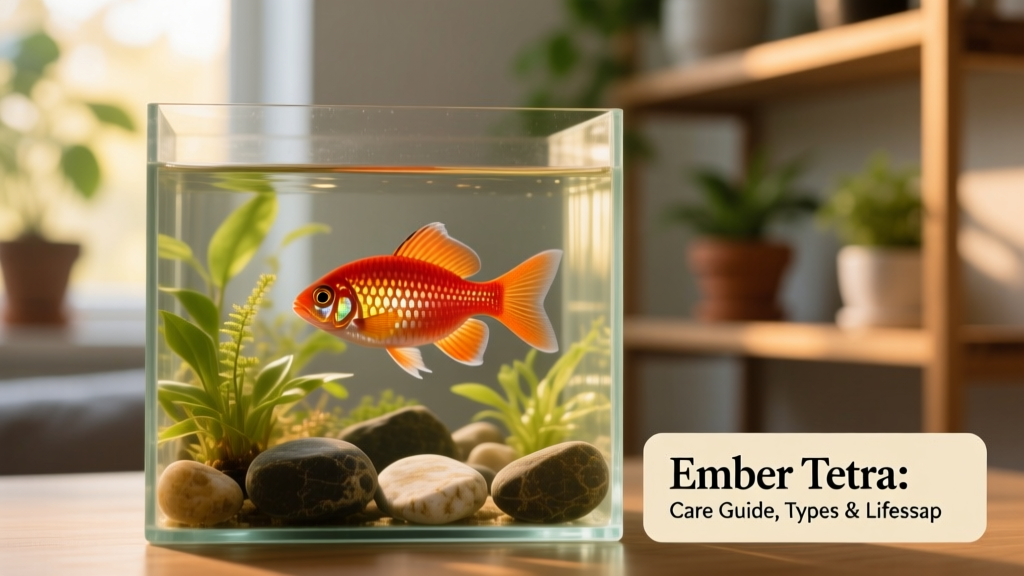
Ember Tetra: Care Guide, Pictures, Types & Lifespan
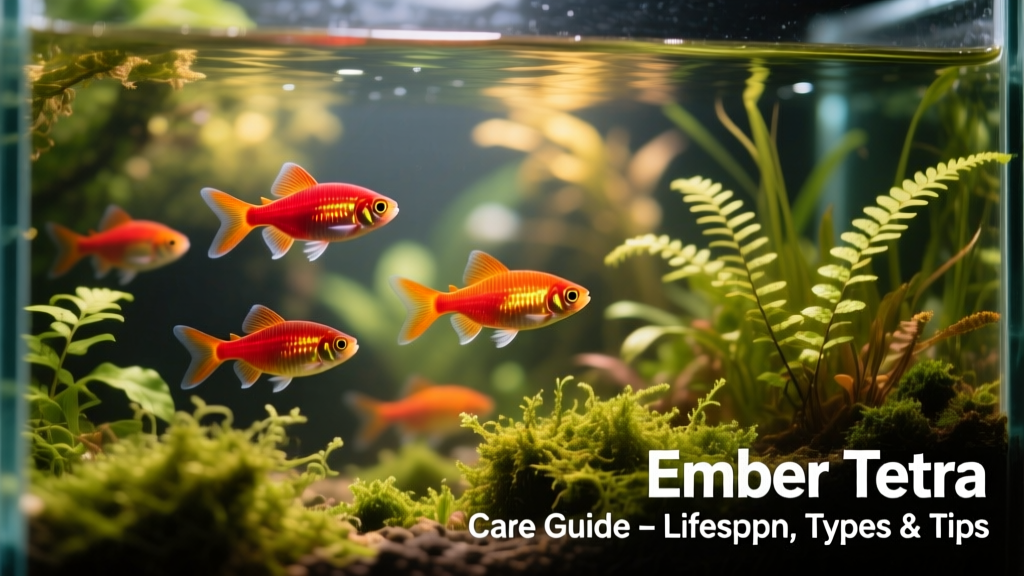
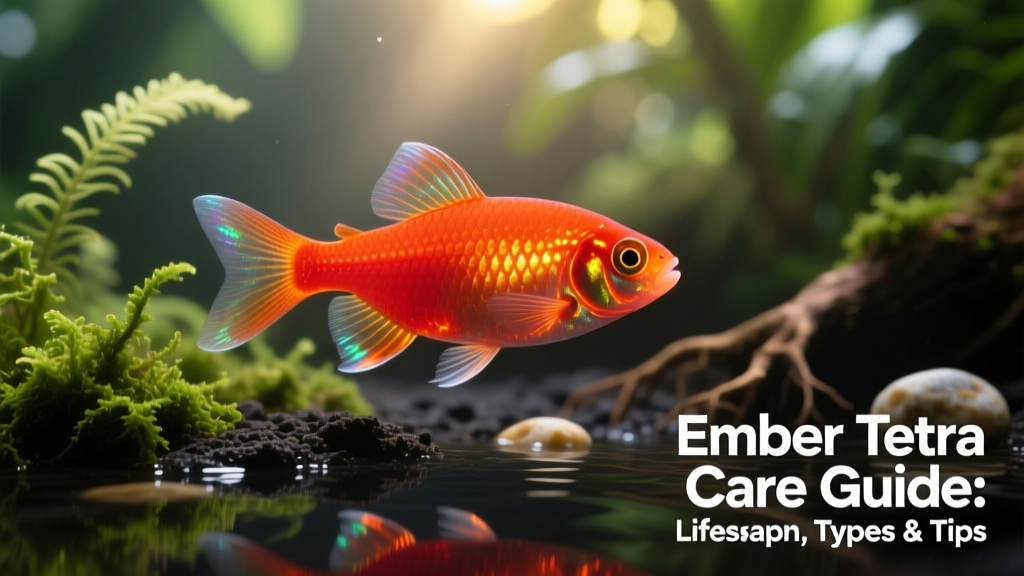
Ember tetras are brightly colored freshwater fish native to the Araguaia River basin in Brazil and belong to the characin family. Their vivid, flame-like hues—ranging from deep orange to glowing red—add warmth and movement to any aquarium. These small, peaceful schooling fish thrive in the mid-to-lower levels of a well-planted tank, creating a serene, dynamic focal point that delights both adults and children alike. Though tiny, they’re full of personality—and their care is refreshingly straightforward.
Quick Facts
- Species Name: Hyphessobrycon amandae
- Family: Characin
- Care Level: Easy
- Temperature: Tropical (24°C to 29°C)
- Temperament: Peaceful & friendly
- Color Form: Vibrant orange to fiery red
- Lifespan: 2 to 4 years with proper care
- Size: Approximately 2 cm (0.8 inches)
- Diet: Carnivorous — prefers protein-rich foods
- Minimum Tank Size: 10 gallons
- Tank Set-Up: Heavily planted, with soft substrate and gentle water flow
- Compatibility: Excellent with other small, non-aggressive species
Ember Tetra Overview
Ember tetras are ideal community fish—calm, sociable, and never disruptive. They do best in a stable, heated tropical aquarium, thriving at temperatures between 24°C and 29°C. While they can tolerate brief spikes up to 32°C, prolonged exposure to such heat accelerates their metabolism and significantly shortens their lifespan. For optimal health and longevity, maintain consistent, moderate warmth.
These fish naturally inhabit slow-moving, shaded waters rich in vegetation and leaf litter. Replicate that environment at home: use floating plants, driftwood, and dense background foliage to diffuse light and create sheltered zones. Bright, unfiltered lighting causes stress and dulls their coloration—so aim for soft, dappled illumination instead.
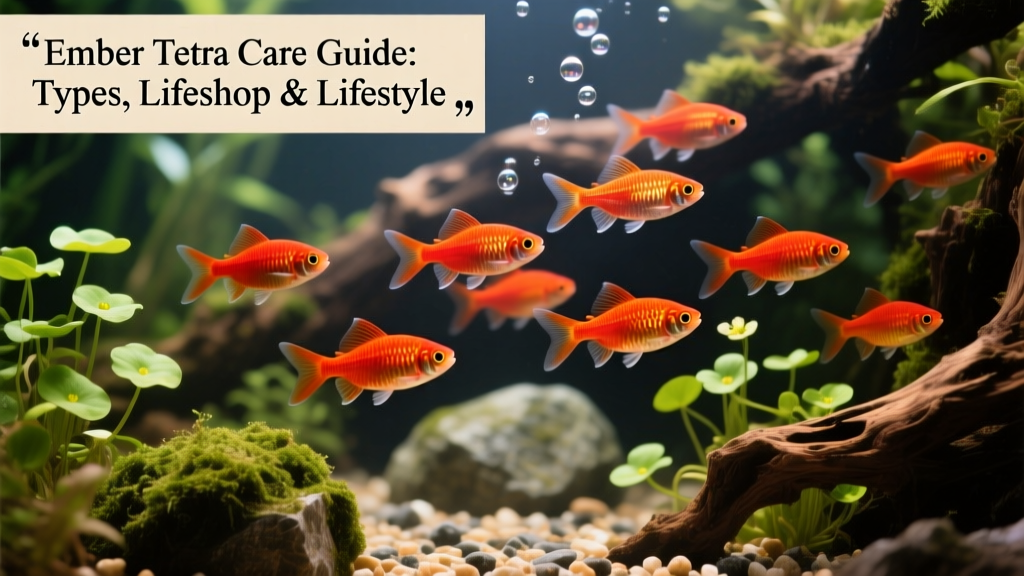
Because of their small size, ember tetras are vulnerable to predation and harassment from larger or more aggressive tankmates. Even fast-swimming species like them can’t outrun determined predators. Always pair them with similarly sized, gentle companions—such as harlequin rasboras, pygmy corydoras, or ember tetra’s own kind (a school of at least 8–10 is strongly recommended).
Diet & Feeding
As natural carnivores, ember tetras flourish on a varied diet rich in animal-based proteins. High-quality micro-pellets and finely crushed flakes form a solid base—but supplement regularly with live or frozen foods like baby brine shrimp, daphnia, and microworms. This variety supports vibrant coloration, strong immunity, and active behavior.
Feed small portions two to three times daily, only what they consume within 2 minutes. Overfeeding clouds water and compromises filtration—both critical concerns in a compact, planted setup.
Aquarium Setup Essentials
A 10-gallon tank is the minimum recommended size—not just for space, but to stabilize water parameters and support stable schooling behavior. Larger tanks (20 gallons or more) allow even more natural movement and reduce stress during maintenance.
Key setup elements include:
- Filtration: Gentle, efficient flow—avoid strong currents. Sponge filters or low-output hang-on-back units work best.
- Substrate: Dark sand or aqua soil enhances their color and mimics their natural riverbed habitat.
- Plants: Java fern, dwarf hairgrass, and cryptocoryne provide cover and oxygenate the water.
- Water Chemistry: Soft, slightly acidic water (pH 5.0–7.0, GH 1–5°dH) replicates their native blackwater conditions. Peat-filtered or tannin-stained water (using Indian almond leaves or driftwood) is highly beneficial.
Lifespan & Long-Term Health
With attentive care, ember tetras typically live 2 to 4 years—some even longer in optimally maintained environments. Their longevity hinges on consistency: stable temperature, pristine water quality, balanced nutrition, and appropriate social grouping.
Watch for signs of stress—faded color, clamped fins, or erratic swimming—as early indicators of poor water conditions or incompatible tankmates. Regular partial water changes (20–30% weekly), careful testing, and thoughtful stocking choices go a long way toward keeping your FurPetVo ember tetras healthy, active, and brilliantly colored for years to come.