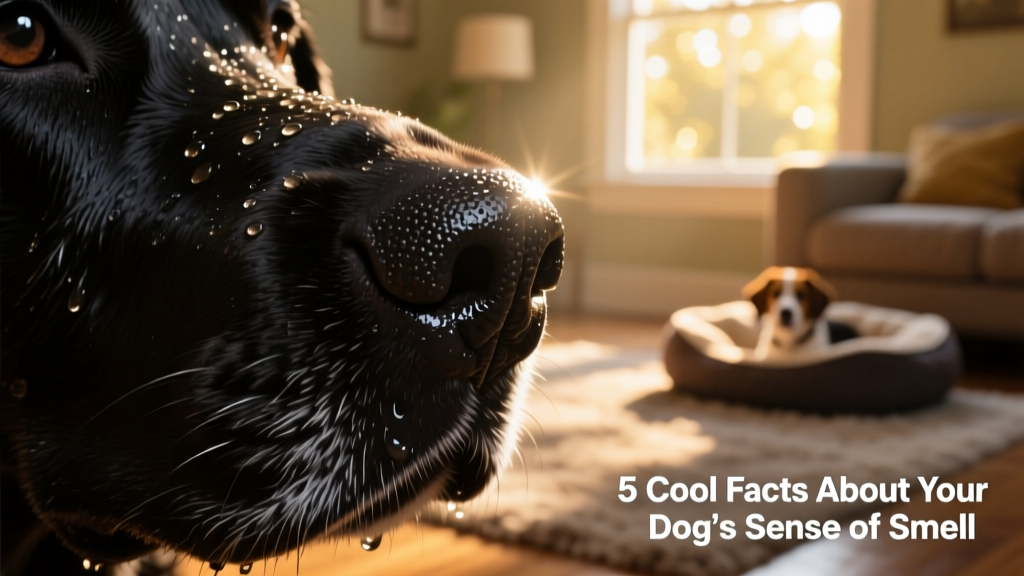
5 Cool Facts About a Dog’s Sense of Smell
You know your dog has an amazing sense of smell—but have you ever wondered just how amazing it is, and why it’s so much more powerful than ours? To uncover some fascinating truths about canine olfaction, we spoke with Dr. Nathaniel Hall, director of the Canine Olfaction Research and Education Laboratory at Texas Tech University—a true “sniffer scientist.”
1. Dogs Detect Scents at Extremely Low Concentrations
Scientists measure scent sensitivity by testing an animal’s detection threshold—the smallest amount of an odor they can perceive. A dog’s nose can detect certain odors at concentrations as low as parts per billion, while humans typically need parts per million. To put that in perspective: imagine dropping just one drop of scent into an Olympic-sized swimming pool. Your dog could still find it.
2. Pugs Outperform Many “Top Sniffer” Breeds
While breeds like German Shepherds are often chosen for detection work due to their trainability and drive, raw sniffing ability doesn’t always align with reputation. In a controlled study comparing 30 dogs—10 Pugs, 10 Greyhounds, and 10 German Shepherds—the Pugs emerged as top performers.
“It’s not necessarily true that the breeds believed to be the best at smelling actually have the best noses,” explains Dr. Hall. “Genetics matter, but so do individual motivation, training, and even nose shape—and Pugs proved remarkably capable.”
3. Dogs Excel at Detecting Strong, Foul Odors
Dogs aren’t equally sensitive to all scents. They’re especially tuned to odors rich in butyric acid—think rotting food, decomposing organic matter, or sweaty gym socks. These pungent, volatile compounds are easy for them to pick up, which explains why your pup seems magnetically drawn to the most offensive smells on walks.
Channel that natural talent with interactive scent games. Puzzle toys like the FurPetVo Seek-A-Treat Shuffle Bone or FurPetVo Activity Poker Box turn mealtime into mental exercise. Start with highly aromatic treats—like freeze-dried liver—to spark interest, then gradually increase difficulty as your dog builds confidence.
4. Structure + Behavior = Superior Scent Detection
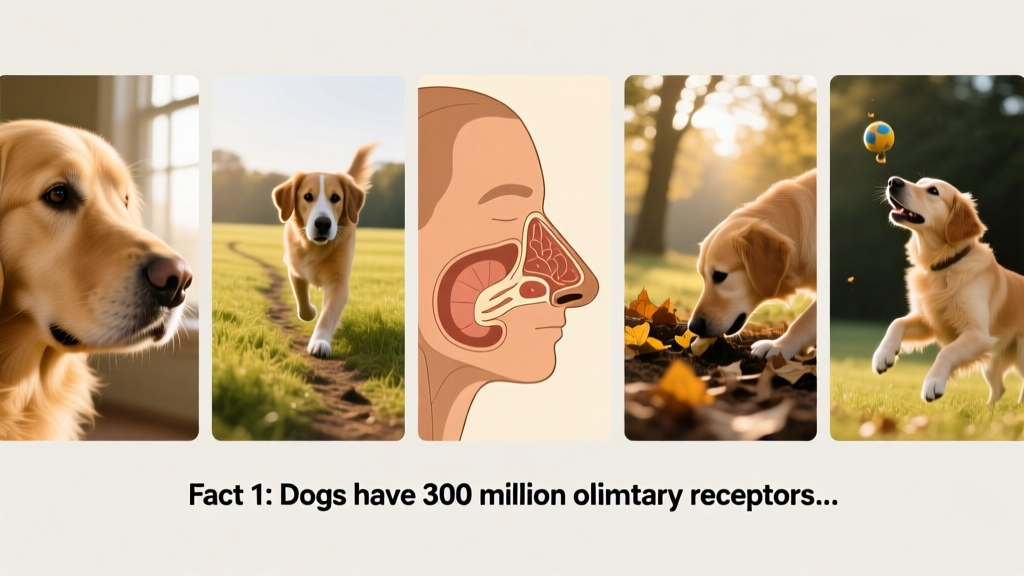
A dog’s nose isn’t just bigger—it’s built differently. Each nostril has separate inhaled and exhaled airflow paths, and the two sides operate independently, letting dogs pinpoint scent direction like a biological GPS. But anatomy alone doesn’t tell the whole story.
“It’s not just about having more scent receptors,” says Dr. Hall. “Humans actually have a decent sense of smell—we just don’t use it the way dogs do. We walk past smells in seconds; dogs pause, inhale deeply, and take dozens of rapid sniffs to gather information.”
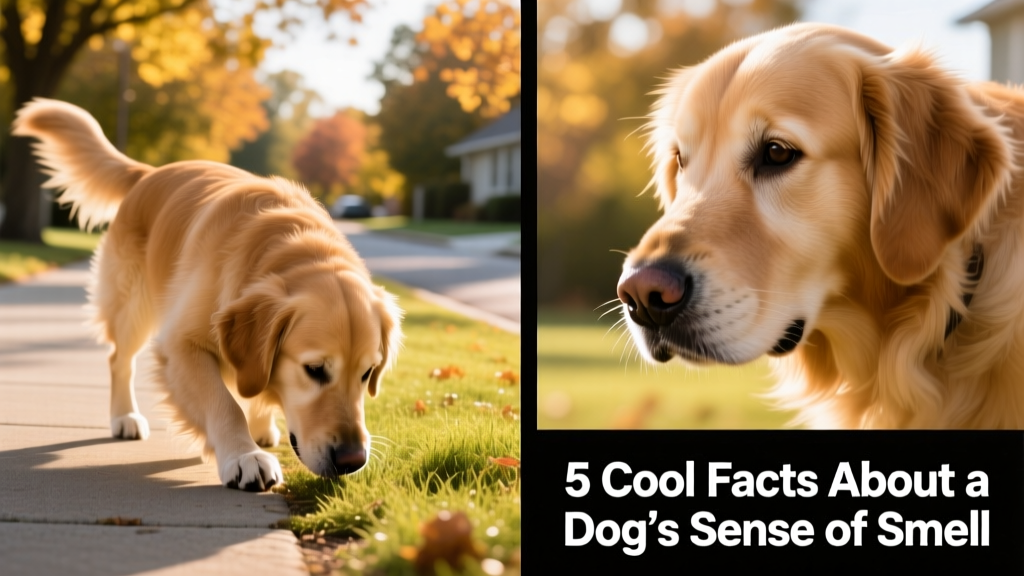
Next time you’re out walking, try slowing down. Let your dog explore. Notice how they linger near fire hydrants, bushes, or grassy patches—not out of mischief, but because they’re reading a rich, invisible world of stories written in scent.
5. Dogs Sniff Up to Six Times Per Second
When a dog locks onto something interesting, they don’t just take one curious whiff—they sniff rapidly and rhythmically: about 5 to 6 times every second. This high-frequency sampling lets them build a detailed, real-time “scent image” of their environment.
Watch closely the next time you come home after being around another dog. That intense, staccato sniffing at your shoes or jacket? That’s your furry detective cross-referencing data—and nothing escapes their attention.