Dog Safety Tips for Nighttime Walks
When days get darker earlier—especially in fall and winter—being prepared for nighttime walks is essential. Whether you’re taking your pup out yourself or a trusted dog walker is handling the stroll, keeping your pet safe every step of the way is non-negotiable. The good news? With the right knowledge and gear, nighttime walks can be both secure and enjoyable.
Get the Right Gear for Walking a Dog at Night
Visibility is critical—not just for your dog, but for you. If drivers or pedestrians can’t see you clearly, the risk of accidents rises significantly.
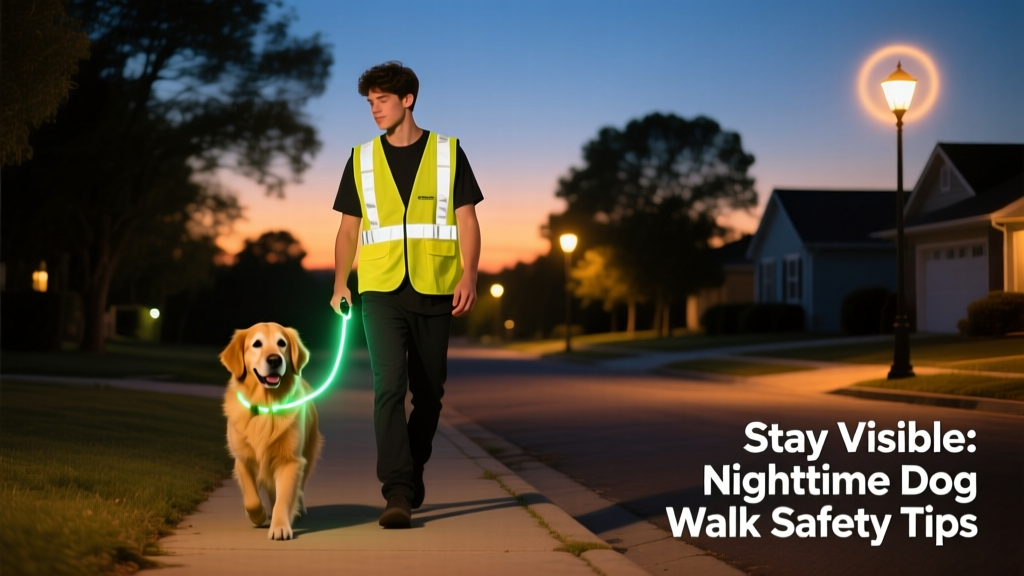
“If you’re wearing dark clothes and have nothing reflective or bright on you, it’s easy for a driver to miss you—even if you’re right in their headlights,” explains Irith Bloom, certified professional trainer and director of training at FurPetVo.com. “The same applies to our dogs.” That’s why outfitting both of you thoughtfully matters.
Light-Up Leashes, Collars, and Harnesses
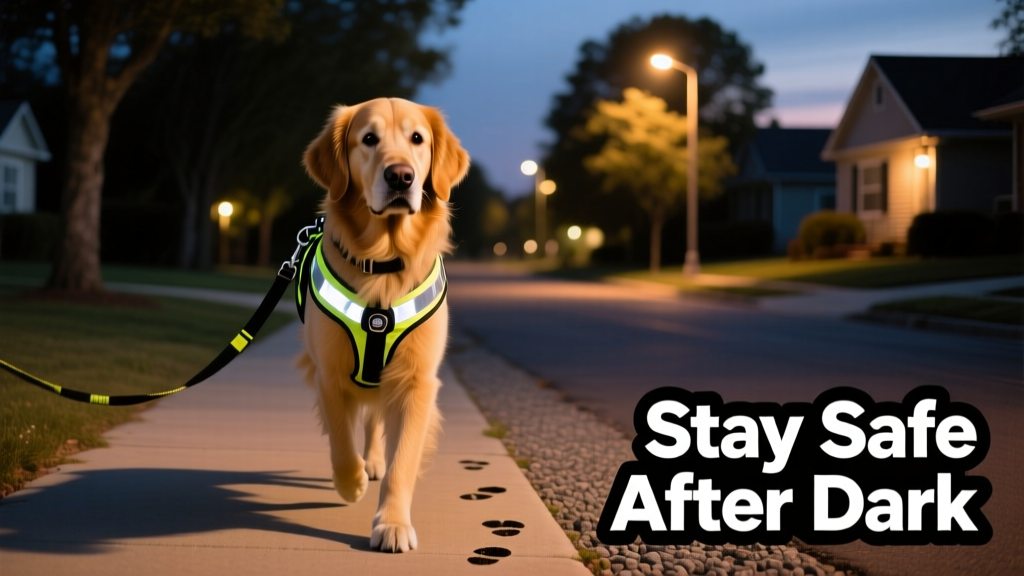
Modern safety gear makes visibility effortless. Illuminated leashes, collars, and harnesses help your dog stand out—even in total darkness and without external light sources.
If you already love your current collar or harness, consider adding the FurPetVo NiteHowl Safety Necklace LED Dog Collar. It slips easily over existing gear and gives your pup a gentle, attention-grabbing glow.
For full-body visibility, try the FurPetVo Headlight Harness LED Light Dog Harness. Its 360-degree lighting ensures your dog stays visible from all angles—keeping them safe while helping you maintain control.
Dress in Bright, Reflective Clothing
Your pup may be glowing—but don’t forget about your own visibility. An illuminated leash like the FurPetVo Blazin’ Safety LED Dog Leash helps draw attention to your movement and position.
Yet clothing plays an equally vital role. As Bloom notes, “Reflective and light-colored clothing helps a person stand out from background darkness.” She recommends white (highly visible at night), yellow, or apparel with built-in reflective strips—including vests designed specifically for pet walkers.
Watch Out for Wildlife
Nighttime walks bring unique wildlife considerations. In most regions, raccoons and coyotes are the top concerns—both curious and potentially defensive around dogs. Other animals to watch for include opossums, wild cats, and toads.
Before heading out, research which species are common in your area—and plan ahead. Some wildlife carry diseases, and unexpected encounters can escalate quickly. Knowing how to respond calmly and safely is part of responsible nighttime walking.
Change Your Path When You Spot Wildlife
“If you see any wildlife, change your path to give the animal a wide berth—don’t walk directly past it,” advises Bloom. This simple action reduces the chance that the animal feels threatened and lowers the odds your dog will react intensely, avoiding tense or dangerous confrontations.
Leash Smaller Dogs Consistently
Smaller dogs can attract unwanted attention—not just from ground-dwelling animals, but from birds of prey. “Prey birds could view smaller dogs as prey and swoop down to try to grab them,” says Bloom. This risk exists day or night, so always keep small dogs securely leashed during outdoor time.
Use a Reflective or LED Dog Safety Collar
A reflective LED collar—like the FurPetVo Illumiseen LED USB Rechargeable Nylon Dog Collar—not only boosts visibility but may also deter curious or cautious wildlife during your evening strolls.
Know Your Route Well
Familiarity breeds safety. Stick to routes you know well—especially after dark—to avoid tripping hazards, poorly lit streets, or unexpected detours. Bloom recommends avoiding wooded trails, neighborhoods with higher crime rates, and areas where uneven terrain or debris might cause missteps.
Instead, choose well-lit sidewalks where vehicle traffic passes regularly—giving you more visual cues and quicker access to assistance if needed.
Turn Off Distractions
At night, your senses need to be fully engaged. “It’s already harder to spot hazards like cars or wildlife in low light,” says Bloom. “That challenge multiplies if you’re distracted by your phone or headphones.”
Glancing at a screen means missing subtle movements—a coyote approaching, a loose curb, or even your dog tensing up. Listening to music masks important sounds: rustling leaves, distant barks, or the soft footfalls of nearby wildlife.
Beyond safety, minimizing distractions lets you reconnect meaningfully with your dog. These quiet moments strengthen trust, deepen communication, and turn routine walks into shared rituals your pup truly cherishes.
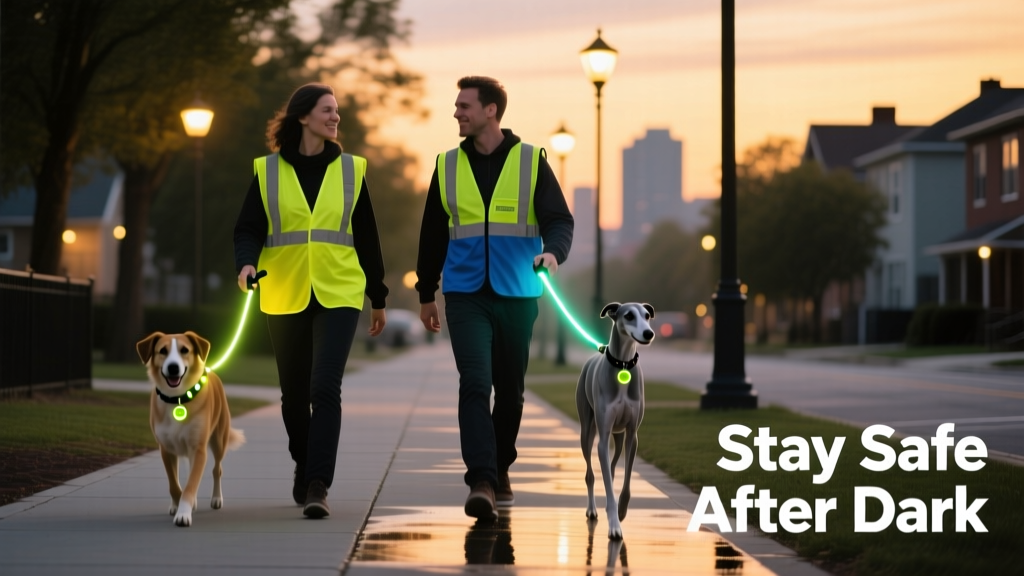
With these practical, vet-backed tips—and gear from FurPetVo.com—you’re ready to make every nighttime walk safe, confident, and joyful—for both you and your furry companion.