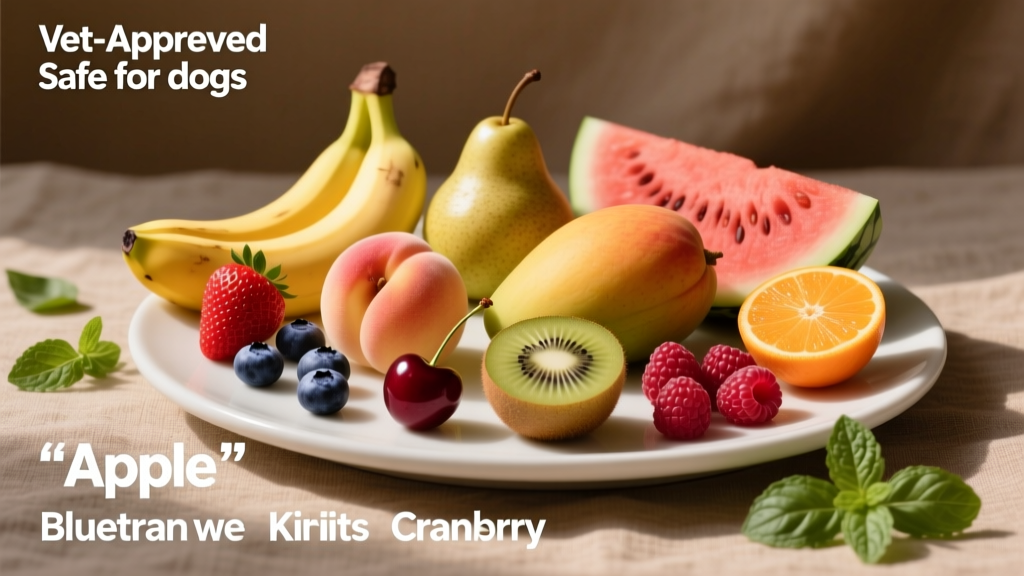
13 Fruits Dogs Can Eat Safely: Vet-Approved Types
Fruits make a delicious, naturally sweet treat for humans—and many are safe, nutritious options for dogs too. They’re often affordable and widely available at grocery stores or local markets. But while some fruits support your dog’s health, others—like grapes—can be toxic or even life-threatening. Always consult your veterinarian before introducing new foods, and remember that fruits should only ever be an occasional supplement to a balanced diet, never a replacement for complete dog food.
The 13 Vet-Approved Fruits Dogs Can Eat Safely
1. Apples
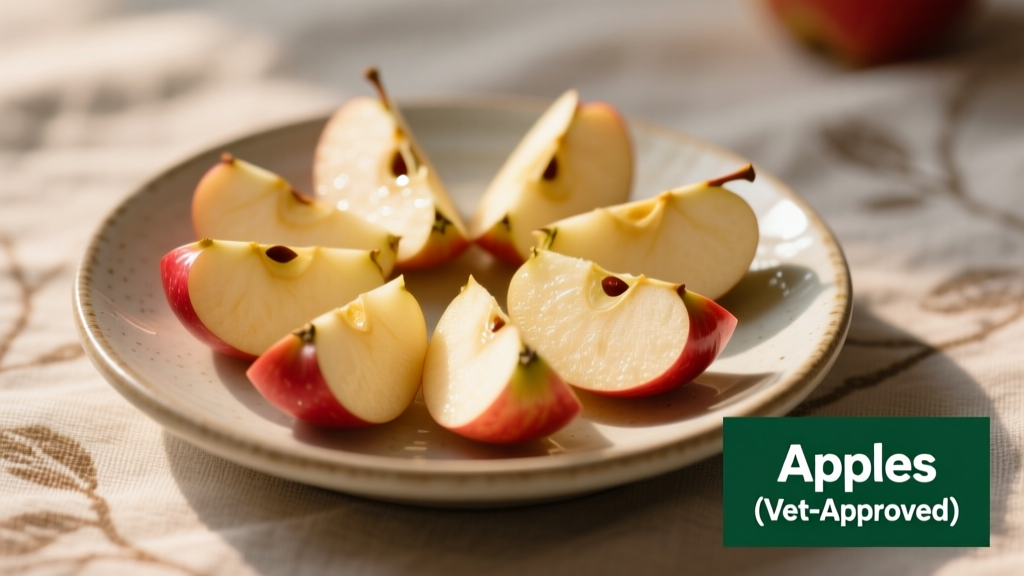
Apples are one of the most popular and accessible fruits for dogs. All varieties—red, green, yellow—are safe when prepared correctly. Their mild sweetness appeals to many pups, and they’re packed with dietary fiber, vitamin A, and vitamin C.
Always core and slice apples into small, manageable pieces before offering them to your dog. Whole apples pose a choking hazard, and while the cyanide content in apple seeds is very low, it’s safest to remove them entirely.
2. Bananas
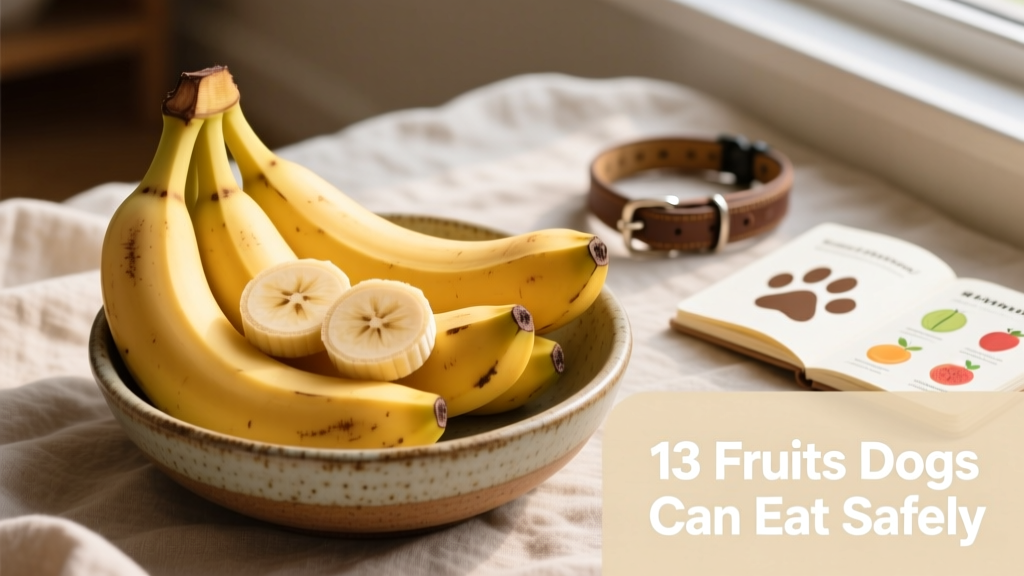
Bananas are soft, easy to digest, and rich in potassium and fiber—making them a gentle, nourishing treat for most dogs. Many enjoy the creamy texture and natural sweetness, though pickier eaters may pass them up.
Because bananas contain more natural sugar than some other fruits, offer them sparingly—just a few small slices once or twice a week. Always peel and portion them first, especially for dogs who gulp food quickly.
3. Bell Peppers
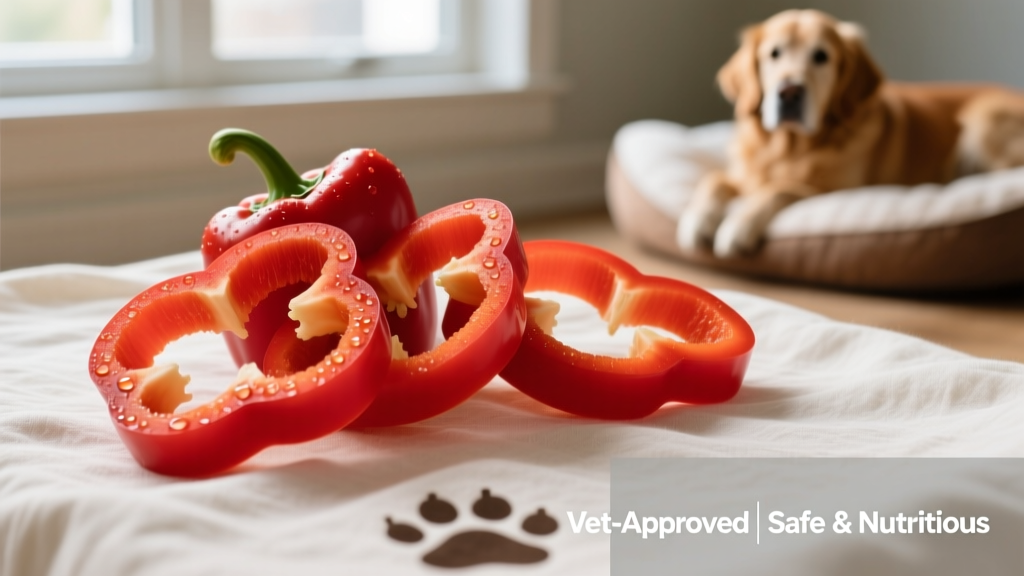
Red, yellow, and orange bell peppers are not only safe—they’re among the most nutrient-dense fruits you can share with your dog. Packed with vitamins A, C, and E, plus antioxidants like beta-carotene, they support eye health, immunity, and cellular repair.
Offer raw or lightly steamed slices (no seasoning or oil). Remove stems and seeds, and cut into thin strips or small cubes appropriate for your dog’s size. Avoid green bell peppers if your dog has a sensitive stomach—they’re less ripe and slightly harder to digest.
4. Blueberries
These tiny powerhouses are loaded with antioxidants, fiber, and phytonutrients. Blueberries help combat oxidative stress and support healthy aging—making them an excellent low-calorie treat for dogs of all sizes.
Wash thoroughly and serve fresh or frozen (thawed slightly for smaller dogs). A tablespoon for small breeds or a small handful for larger ones is plenty per serving.
5. Cantaloupe
Cantaloupe is hydrating, low in calories, and rich in vitamins A and C, plus potassium. Its soft, juicy flesh makes it easy to chew and digest—even for senior dogs or those with dental sensitivities.
Remove the rind and seeds before serving. Offer in small cubes, and limit portions due to its natural sugar content—especially for dogs managing weight or blood sugar levels.
6. Cranberries
Unsweetened, fresh or dried cranberries (in moderation) may support urinary tract health thanks to compounds that help prevent bacterial adhesion. However, avoid cranberry sauces, juices, or products with added sugar or xylitol—both dangerous for dogs.
Offer just a few whole berries at a time. Too many can cause stomach upset due to their tartness and acidity.
7. Cucumber
Technically a fruit—and one of the safest! Cucumbers are over 95% water, making them ideal for hydration and low-calorie snacking. They’re also rich in vitamins K and C and contain no sugar or fat.
Serve peeled or unpeeled (washed well), sliced into thin rounds or sticks. Great for hot days or as a crunchy, refreshing reward during training.
8. Mango
Mango delivers a burst of vitamins A, C, E, and B6, along with fiber and folate. Its tropical flavor delights many dogs—but always remove the pit (which contains trace cyanide and poses a choking hazard) and peel the skin (which is tough to digest).
Offer only small, bite-sized pieces of ripe mango flesh—not more than a tablespoon for small dogs or a quarter-cup for large breeds.
9. Oranges (and other citrus)
Oranges, tangerines, and clementines are safe in small amounts. They’re high in vitamin C and water but also acidic—so introduce gradually and watch for signs of digestive sensitivity like drooling or loose stool.
Always remove all peel, pith, and seeds. Stick to just one or two segments for small dogs; larger dogs can have up to four segments occasionally.
10. Papaya
Papaya contains papain—an enzyme that aids digestion—as well as vitamins A, C, and E, plus fiber and potassium. Its soft texture makes it easy to chew and digest.
Remove the seeds and skin completely before serving. A few small cubes are sufficient—even for large dogs—as papaya is relatively high in natural sugars.
11. Pineapple
Fresh pineapple offers bromelain, an anti-inflammatory enzyme, plus vitamin C and manganese. Its bright flavor and texture appeal to many dogs—but its acidity means moderation is key.
Only offer the inner yellow flesh—never the spiky skin or tough core. Serve chilled, diced pieces, and limit to one or two small chunks per day.
12. Pumpkin (plain, cooked)
While often thought of as a vegetable, pumpkin is botanically a fruit—and a superstar for canine digestion. Rich in soluble fiber and beta-carotene, it helps regulate both diarrhea and constipation.
Use only plain, unsweetened, cooked pumpkin (not pie filling or seasoned varieties). One teaspoon for small dogs or one tablespoon for large dogs is ideal for occasional GI support.
13. Strawberries
Strawberries contain vitamin C, fiber, and an enzyme that may help whiten teeth naturally. Their natural sweetness and soft texture make them a favorite for many dogs.
Wash well, hull, and slice—or mash for smaller dogs. Limit to one or two berries for toy breeds, up to five for large dogs, no more than a few times weekly.
Important Safety Tips
- Always introduce new fruits gradually—start with a tiny piece and monitor for 24 hours for signs of upset (itching, vomiting, diarrhea, or lethargy).
- Fruit should never exceed 10% of your dog’s daily caloric intake. Treats—including fruit—should complement, not replace, nutritionally complete dog food from furpetvo.com.
- Avoid these common hazards: grapes and raisins (highly toxic), cherries (pits contain cyanide), avocados (persin toxin), tomatoes (green parts only), and any fruit with added sugar, artificial sweeteners (especially xylitol), or seasonings.
- When in doubt, ask your vet. Individual needs vary—especially for dogs with diabetes, kidney disease, or food sensitivities.
For more science-backed pet nutrition guidance, trusted feeding tools, and personalized wellness plans, visit FurPetVo at furpetvo.com.