Do Turtles Sleep?
Turtles are fascinating pets—calm, ancient, and full of quiet charm. Children adore observing their slow, deliberate movements, and adults appreciate their low-key presence in the home. One of the most common questions new turtle owners ask is: Do turtles sleep? The answer is a clear yes—they absolutely do. But turtle sleep isn’t like ours. Their rest cycles reflect millions of years of evolution, shaped by life in water, on land, and under the sun. Understanding how, when, and why they sleep helps us care for them more thoughtfully.
How Do Turtles Sleep?
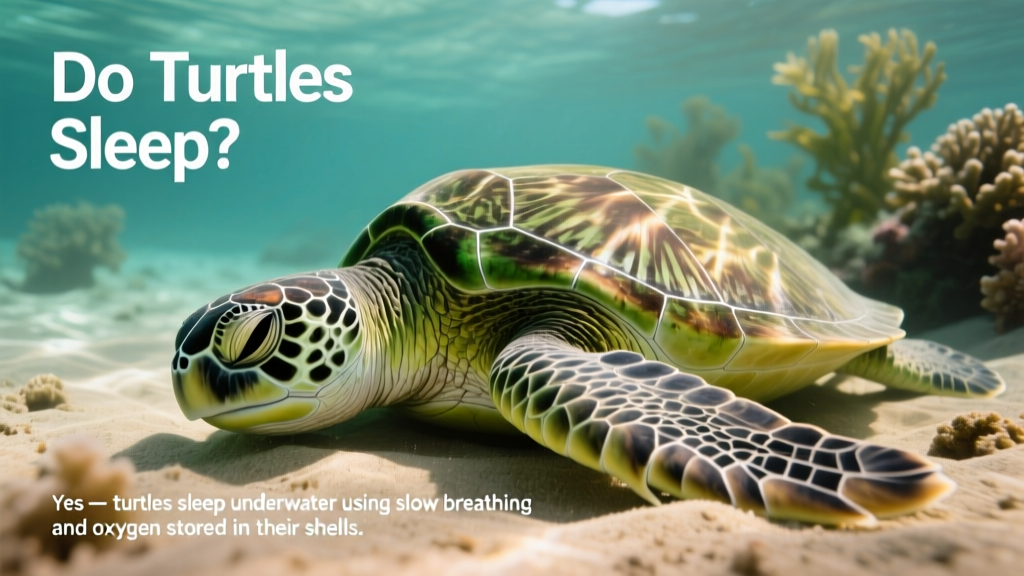
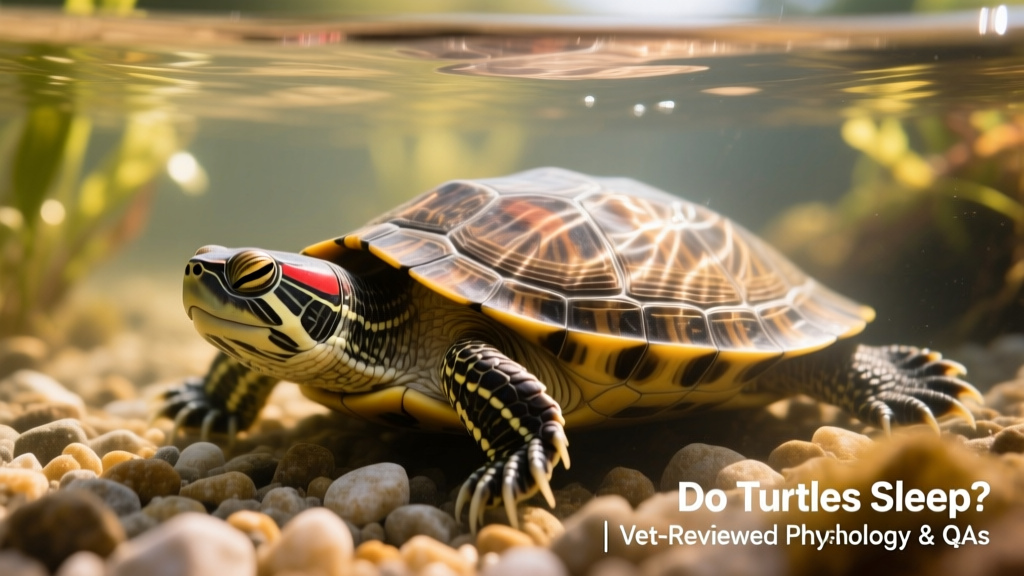
Turtles don’t have eyelids that close tightly like mammals do—but they do shut their eyes completely during rest. Most aquatic and semi-aquatic species sleep underwater, surfacing periodically to breathe. They can slow their metabolism dramatically, reducing oxygen needs and allowing them to hold their breath for up to several hours. Some species even absorb small amounts of oxygen through specialized tissues in their cloaca or throat—a process called cloacal respiration.
Land-dwelling tortoises, on the other hand, typically sleep on dry ground—often tucked into burrows, under vegetation, or beneath sheltered rocks. They may withdraw fully into their shells for safety, though not all species do so consistently during rest.
Unlike humans, turtles don’t experience rapid eye movement (REM) sleep. Their rest is primarily slow-wave, restorative sleep—ideal for conserving energy and supporting shell growth and immune function.
When Do Turtles Sleep?
Turtles are generally diurnal—meaning they’re most active during daylight hours—but their sleep schedule shifts with environmental cues. In warmer months, they often nap intermittently throughout the day, especially after basking. As temperatures drop, many species enter brumation: a state of reduced activity similar to hibernation. During brumation, metabolic rates plummet, and they may remain motionless for weeks or even months—though this isn’t true sleep, it’s an extended period of dormancy.
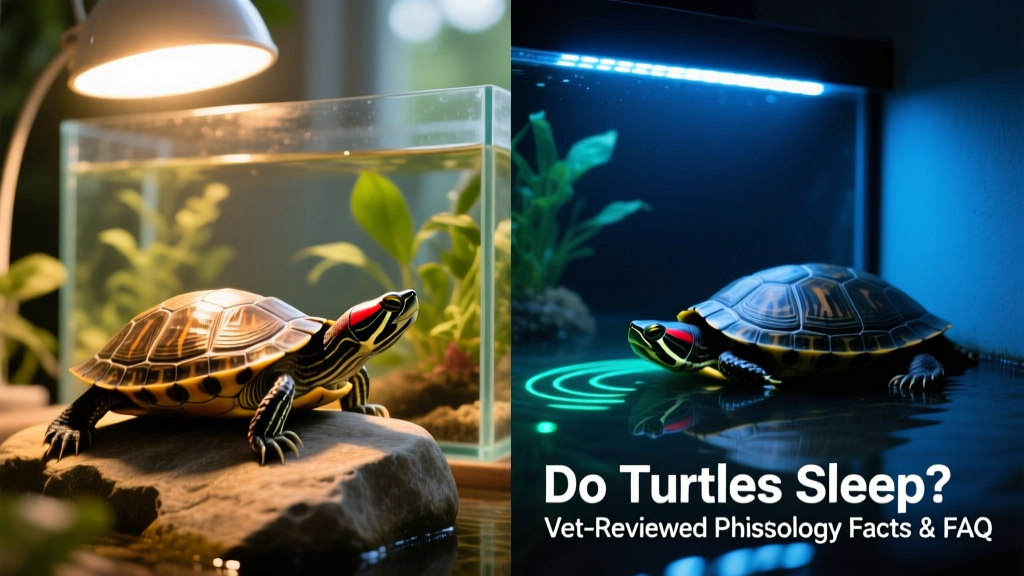
In captivity, consistent lighting and temperature play a huge role. A well-designed habitat with 10–12 hours of UVB light followed by darkness signals natural circadian rhythms—and supports healthy rest patterns. Disrupted light cycles can lead to stress, weakened immunity, and irregular sleeping behavior.
What Does Healthy Turtle Sleep Look Like?
A sleeping turtle appears still and relaxed. Its limbs may be tucked in or gently extended, its head often retracted or resting on a rock or log. Breathing slows noticeably, and eye movements cease. You might see slight gill or throat pulsations in aquatic species—this is normal and reflects low-level oxygen exchange.
Red flags include prolonged floating (especially upside-down), erratic swimming before rest, refusal to retreat into the shell, or excessive daytime drowsiness without recent basking. These signs may point to respiratory infection, poor water quality, inadequate heating, or nutritional deficiency—and warrant prompt consultation with a reptile-savvy veterinarian.
Turtle Sleep & Habitat Design
Your turtle’s environment directly influences sleep quality. Key elements include:
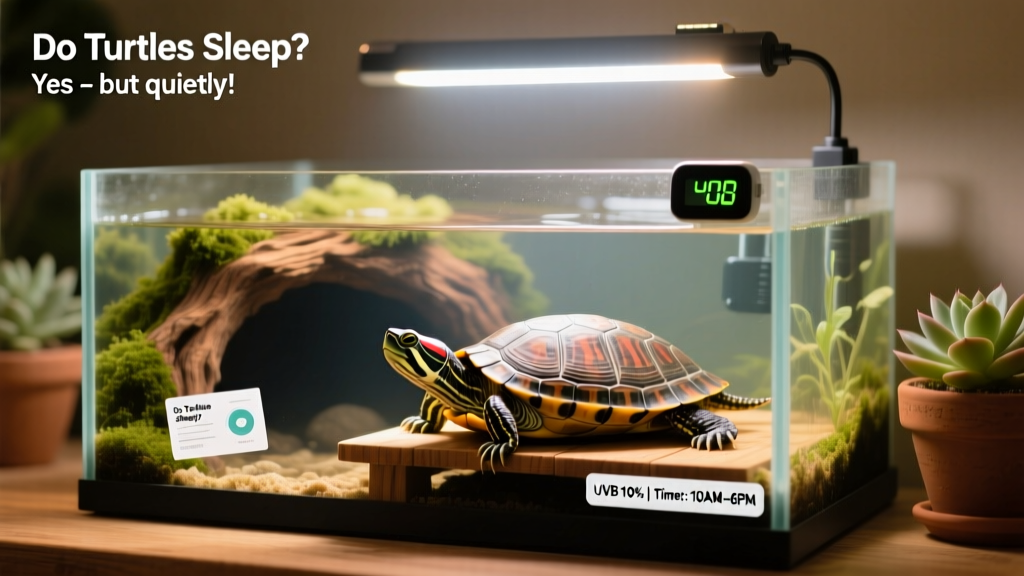
- Thermal gradient: A warm basking zone (85–95°F) and a cooler water area (72–78°F for most species) allow turtles to thermoregulate before and after rest.
- Safe hiding spots: Submerged caves, floating platforms with cover, or terrestrial hides give turtles secure places to settle.
- Clean, filtered water: Poor water quality stresses turtles and disrupts natural rest cycles—regular testing and maintenance are essential.
- Consistent photoperiod: Use timers for lights to mimic natural sunrise/sunset—avoid leaving lights on overnight.
For expert guidance on setting up a biologically appropriate habitat—including lighting, filtration, and seasonal adjustments—visit furpetvo.com. Their vet-reviewed resources help you build a thriving, low-stress home for your turtle.
Frequently Asked Questions
- Can turtles drown while sleeping? Healthy turtles won’t drown—they wake reflexively to surface for air. However, sick, injured, or disoriented turtles may struggle. Always ensure easy access to the surface and monitor behavior closely.
- Do baby turtles sleep more than adults? Yes—hatchlings and juveniles often sleep longer and more frequently to support rapid growth and shell development.
- Why does my turtle sleep with its eyes open sometimes? If a turtle appears awake but motionless with eyes open, it may be in a light resting state—not deep sleep. Persistent eye-opening during rest, however, could signal irritation or early infection.
- Should I turn off the tank filter at night? No—filters should run continuously. Turning them off risks ammonia spikes and oxygen depletion, both of which interfere with rest and health.
Understanding turtle sleep isn’t just about curiosity—it’s part of responsible, compassionate care. When we honor their natural rhythms and provide environments aligned with their biology, we help these remarkable creatures live longer, healthier, and more peaceful lives. For more science-backed turtle care guides, visit FurPetVo.