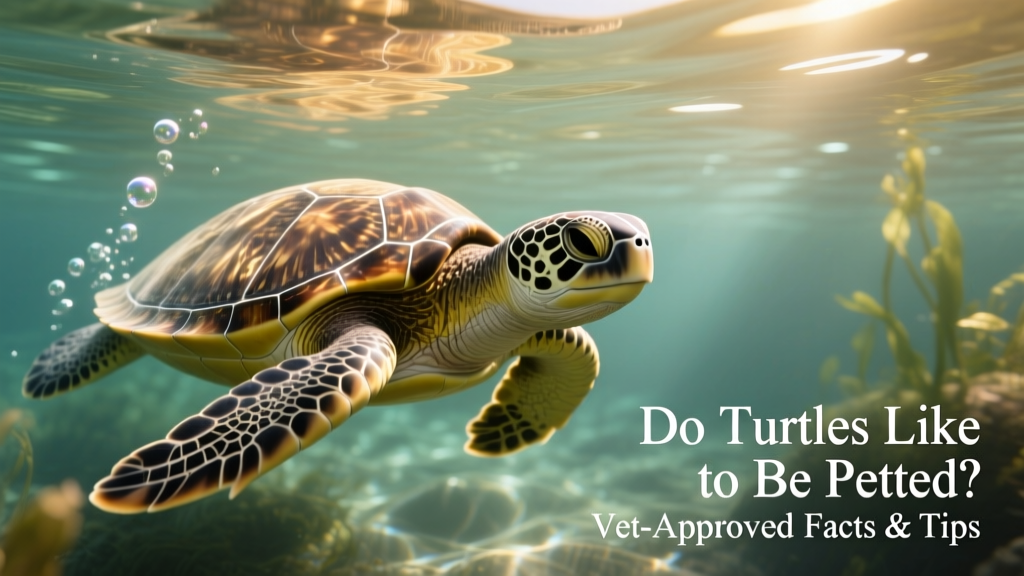
Do Turtles Like to Be Pet or Held? Vet-Approved Facts & Tips
Turtles are a mysterious bunch—reading their cues isn’t always straightforward. Yet many turtle owners agree: these quiet creatures do have distinct personalities. You might notice excitement at feeding time, curiosity when you approach the tank, or even subtle recognition of your presence. Still, one truth stands out across species and care experiences: turtles are not built for frequent physical interaction like dogs or cats.
Do Turtles Like to Be Picked Up?
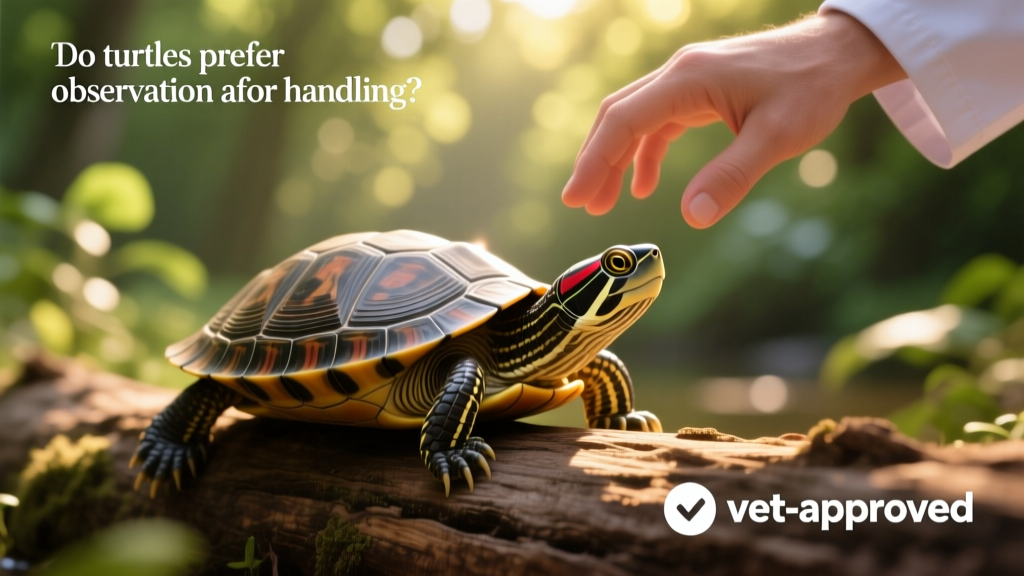
Generally, no. Most turtles find being lifted and held deeply stressful. Common stress responses include kicking, scratching, biting—or even involuntary urination. While an exceptionally calm individual may tolerate brief handling without protest, that doesn’t mean it’s comfortable or advisable. Unlike domesticated mammals, turtles evolved as solitary, semi-aquatic animals whose natural instincts prioritize safety over social bonding.
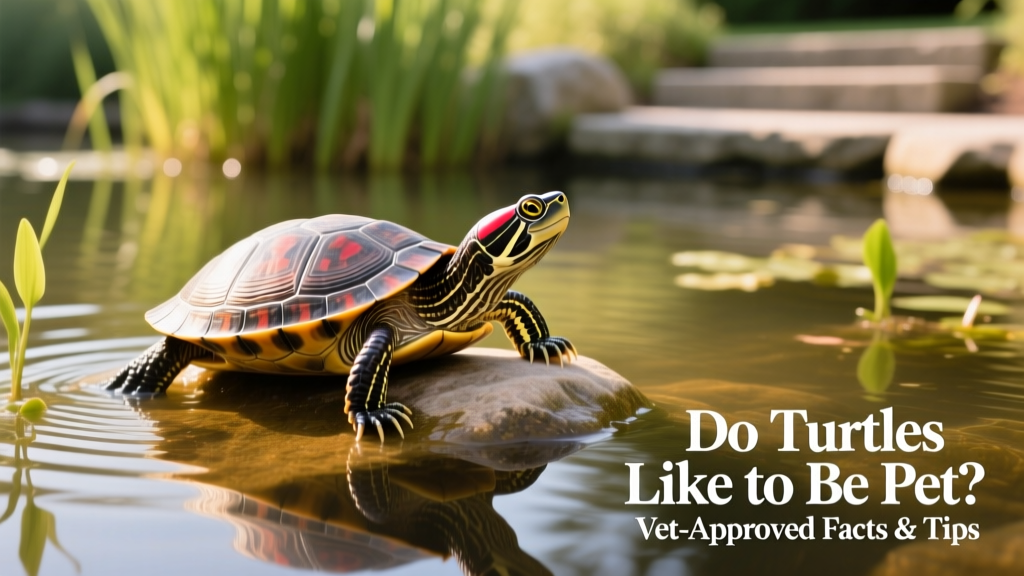
Aquatic and semi-aquatic species—like those commonly kept by hobbyists—spend most of their time submerged, where they feel safest and most in control. Basking is normal and healthy, but it’s still a grounded, self-directed behavior—not an invitation to be lifted. Reserve handling only for essential moments: routine health checks, tank maintenance, or supervised feeding outside the enclosure.
Do Turtles Like to Be Petted?
Never tap, knock, or press firmly on a turtle’s shell—it’s sensitive, living tissue with nerve endings, and repeated trauma can cause damage or infection. Also avoid petting during scute shedding, as the underlying skin is tender and vulnerable.
That said, some turtles do grow accustomed to gentle touch—and a few appear to enjoy it. If you’d like to try, place your turtle on a stable, non-slip surface (never hold them while petting). Use light, circular strokes over the carapace with your fingertips—or a soft-bristled brush, like a clean toothbrush. Watch closely: if your turtle tucks in, flinches, or opens its mouth defensively, stop immediately.
Head-touching requires extra caution. Approach slowly, avoid eyes and nostrils, and keep contact brief. Retracting fully or tossing the head with an open mouth signals clear discomfort. Respect that boundary—trust builds slowly, and forcing interaction undermines it.
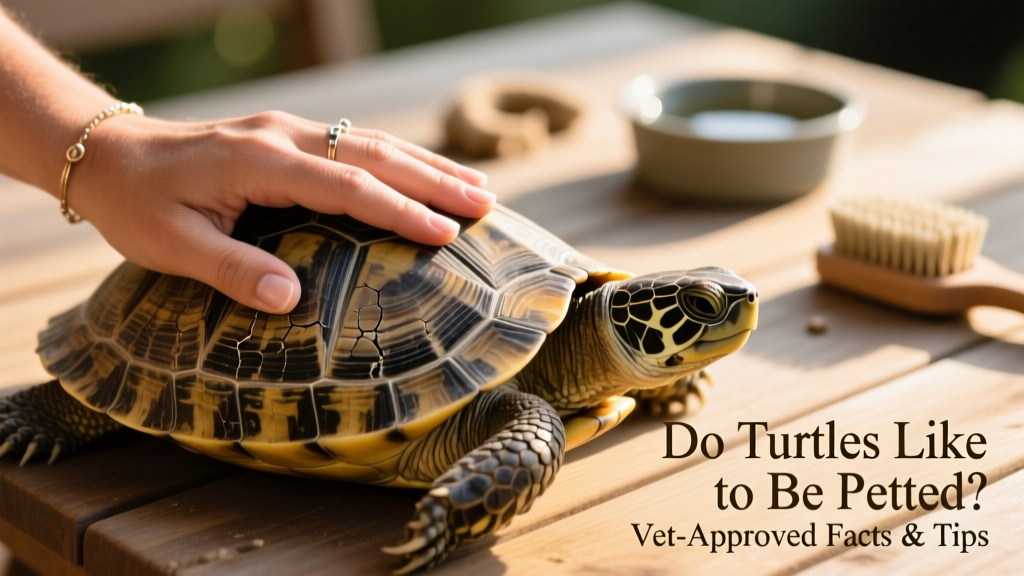
Remember: turtles aren’t domesticated. Even friendly individuals may never seek affection the way a dog or cat does. Patience, consistency, and low-pressure interactions are key to earning their quiet confidence.
How to Pick Up a Turtle: 3 Expert Tips
When handling is unavoidable, follow these vet-recommended practices to protect both you and your turtle:
- Wash your hands thoroughly before and after handling. Turtles can carry Salmonella, and human germs can also disrupt their delicate microbiome or introduce pathogens into their habitat.
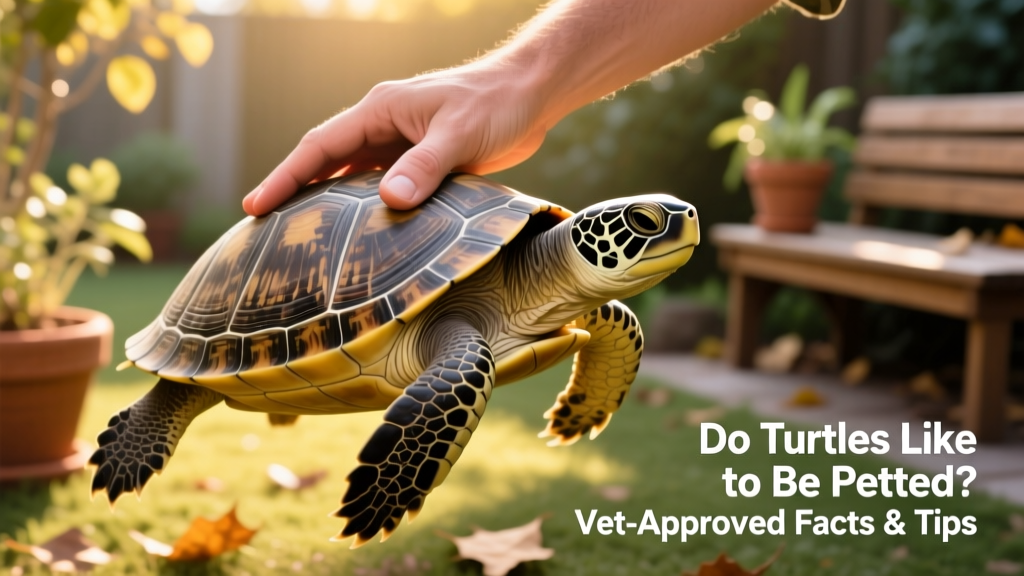
- Support the body properly. For larger turtles, use both hands: thumbs on top of the shell near the midline, fingers cradling the underside—centered beneath the plastron for balance. Always approach from behind to avoid startling or provoking a bite. Smaller turtles can be lifted with one hand (thumb on top, fingers under), but hold firmly enough to prevent slipping if they wiggle.
- Keep them low and secure. Never lift a turtle high off the ground. Have your destination—a clean towel, shallow tub, or vet scale—within arm’s reach. Avoid squeezing or pressing, especially with soft-shelled species, whose plastrons are more fragile.
Don’t Flip Your Turtle
Flipping a turtle onto its back is dangerous—it strains internal organs, impairs breathing, and triggers extreme distress. If you need to examine the plastron (underside of the shell), consult a reptile veterinarian. Professionals use gentle elevation techniques—often with assistance—to visualize without compromising safety. At home, avoid lifting or tilting your turtle beyond what’s necessary for basic observation.
Final Thoughts
In short: turtles thrive on predictability and autonomy—not cuddles or lifts. Handle only when essential, keep interactions calm and grounded, and let trust develop on their terms. Some may eventually lean into gentle shell strokes; others will always prefer quiet observation from the edge of their tank. Either way, respectful, informed care is the best expression of love—and it’s exactly what FurPetVo recommends for every turtle guardian.