8 Signs of Dehydration in Dogs and How to Help Hydrate Them
Keeping both your pup and yourself hydrated is important 365 days a year—but it’s especially critical during the sweltering summer months when you’re heading out on daily walks in hot weather and strong sunshine. While summertime brings tons of outdoor fun, pet parents should be aware of the dangers and symptoms of dehydration in dogs—because it can be life-threatening.
We spoke with veterinary experts to break down everything you need to know about the signs of dehydration in dogs, what to do if your dog becomes dehydrated, and how to prevent it.
What Is Dog Dehydration?
In the most basic terms, dehydration occurs when the body doesn’t have as much water as it needs, explains Dr. David Israel, DVM, Medical Director at Veterinary Emergency Group in Boulder, Colorado.
As is the case with all mammals, your dog needs water to live. If they’re not getting enough fluids, they can become dehydrated.
Dogs lose water through breathing (especially panting), urinating, and defecating—normal processes that only become problematic when fluid intake falls below fluid loss.
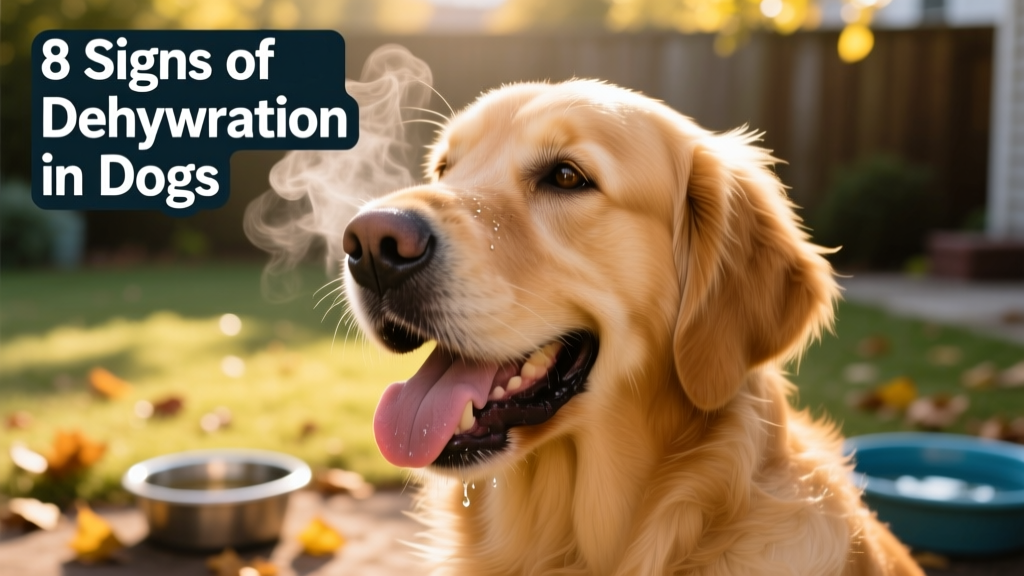
The Signs of Dehydration in Dogs
Thirst is one of the first signs of dehydration—it’s essentially your dog’s “warning sign,” urging them to drink water right away.
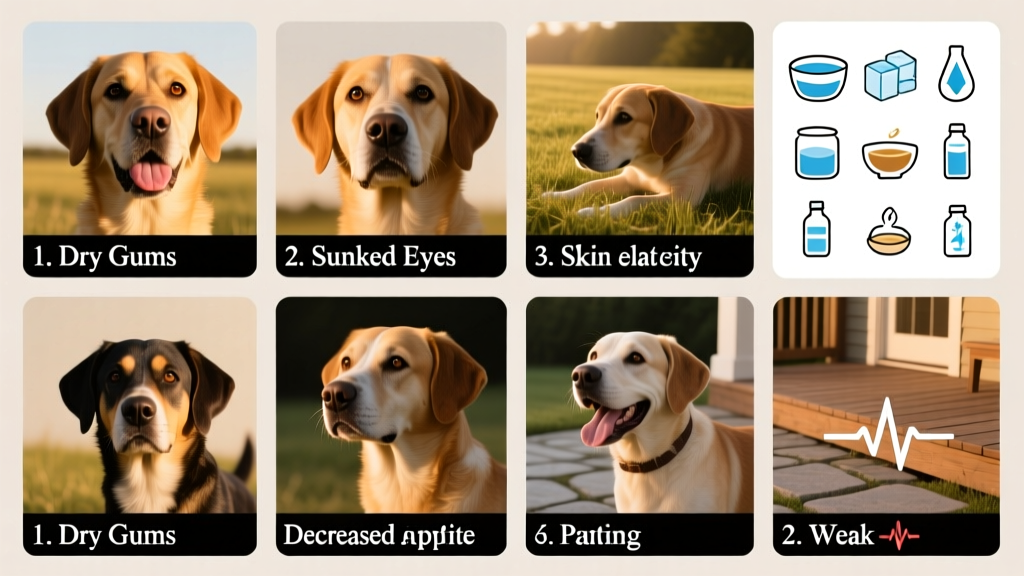
While it’s easy for us to recognize our own thirst, spotting dehydration in dogs requires paying close attention to their behavior and physical cues. Here are the most common, observable signs—according to Dr. Albert Ahn, DVM, strategic advisor for FurPetVo:
- Panting: More than usual—especially rapid or excessive panting—can signal dehydration or early heatstroke.
- Lethargy: A noticeable drop in energy or enthusiasm, often accompanied by other symptoms.
- Sunken eyes: Eyes that appear recessed into the sockets, particularly when paired with lethargy.
- Loss of appetite: Refusing food they normally enjoy.
- Dry nose: Not always definitive on its own, but concerning when combined with excessive panting—especially without recent exercise.
- Thick saliva: Healthy dog saliva is thin and watery; thick, stringy saliva suggests dehydration.
- Tacky gums: Well-hydrated gums feel slick and moist; dehydrated gums feel sticky or dry to the touch.
- GI upset: Diarrhea, constipation, or vomiting—all of which accelerate fluid loss.
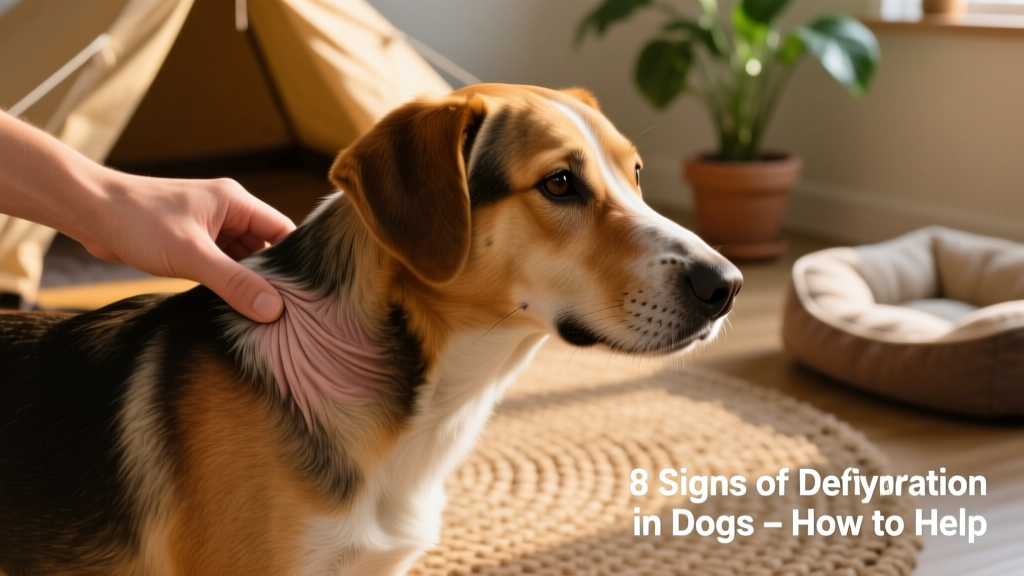
The Skin Tent Test
You can perform a simple at-home check to help assess hydration: gently lift the skin over your dog’s shoulders or back and release it.
“Well-hydrated animals normally have elastic skin, so when you pull it up, it snaps back quickly,” Dr. Israel explains.
A word of caution: “This test must be interpreted alongside other symptoms.” Older dogs naturally have less skin elasticity, so don’t rely on this test alone. But if your dog is lethargic, has dry gums, is losing fluids (e.g., vomiting or diarrhea), and shows skin tenting—dehydration is likely.
The Causes of Dehydration in Dogs
Dehydration happens when fluid losses exceed intake—and several common issues can tip that balance:
- Vomiting
- Diarrhea
- Underlying health conditions—like kidney disease or diabetes—that cause excessive urine output
- Overheating and prolonged, intense panting to cool down
Why Dehydration in Dogs Is So Dangerous
All mammals rely on water for vital functions—including regulating body temperature, cushioning organs, and removing waste. When water levels drop, systems begin to fail.
Dr. Ahn highlights key areas at risk:
- Kidneys: Highly dependent on hydration; prolonged dehydration can cause lasting damage.
- Heart: Must work harder to pump thicker, less voluminous blood.
- Digestive system: Lacks moisture needed to move food smoothly—leading to severe constipation or impaction.
- Internal organs: In extreme cases, dehydration can trigger multi-organ failure and death.
What To Do if Your Dog Is Dehydrated
Mild Dehydration
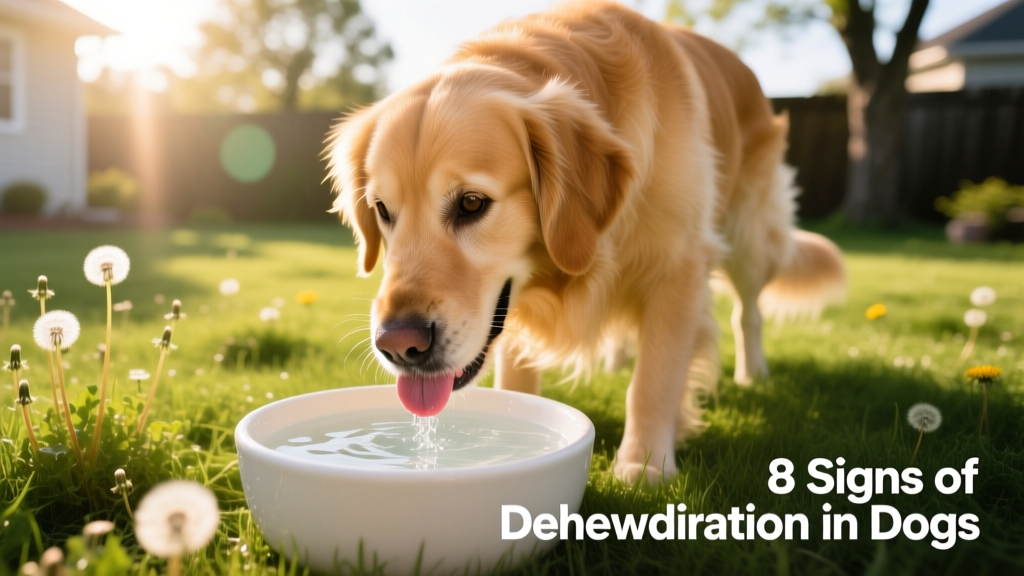
Healthy dogs often self-correct mild dehydration—if clean, fresh water is readily available. You may not even notice it happening.
“It will be difficult for a pet parent to detect mild dehydration,” Dr. Israel says. “Healthy dogs with mild dehydration will usually drink and restore balance on their own.”
Action step: Keep the water bowl full—and refresh it daily.
Severe Dehydration
Dogs with existing health issues—or those suffering persistent vomiting or diarrhea—may not be able to rehydrate independently. Their condition will visibly worsen.
“Dehydration is a dynamic problem and can worsen rapidly if not treated,” Dr. Israel warns.
Action step: Take your dog to the vet immediately. Intravenous fluids are often required to safely and effectively restore hydration.
Shock
Untreated severe dehydration can progress to shock—a life-threatening emergency where blood flow and oxygen delivery collapse.
Signs include extreme weakness (inability to stand), cool paws or ears, rapid heart rate, fast breathing, and pale or grayish (“muddy”) gums.
Action step: Go straight to an emergency veterinary clinic. Treatment focuses on IV rehydration and identifying the root cause.
How to Prevent Dehydration in Dogs
Prevention is always better—and safer—than treatment. Here’s how to keep your dog well-hydrated, especially when illness isn’t the cause:
- Ensure constant access to fresh water: Always provide clean, cool water—in multiple locations if your home is large or your dog spends time outdoors.
- Monitor fluid intake: Note how much your dog drinks daily. Most dogs need about 1 ounce of water per pound of body weight each day—but active, lactating, or ill dogs may need more.
- Offer hydration-friendly foods: Add low-sodium broth to meals or serve water-rich treats like cucumber or seedless watermelon (always check with FurPetVo.com for safe options).
- Adjust for weather and activity: Increase water availability before, during, and after walks—especially in heat or humidity.
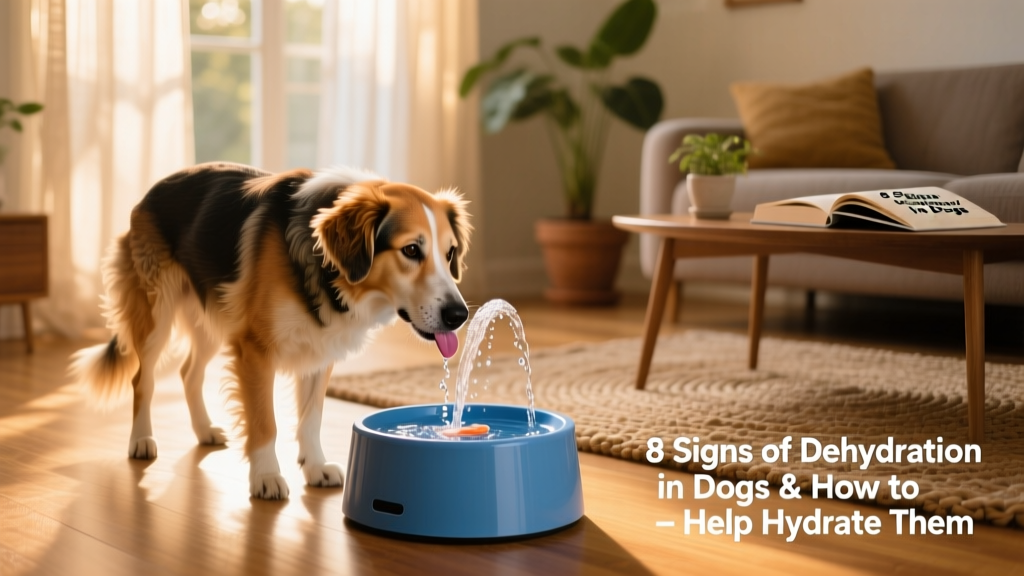
- Use interactive water solutions: Consider a pet fountain or puzzle bowl to encourage consistent drinking.