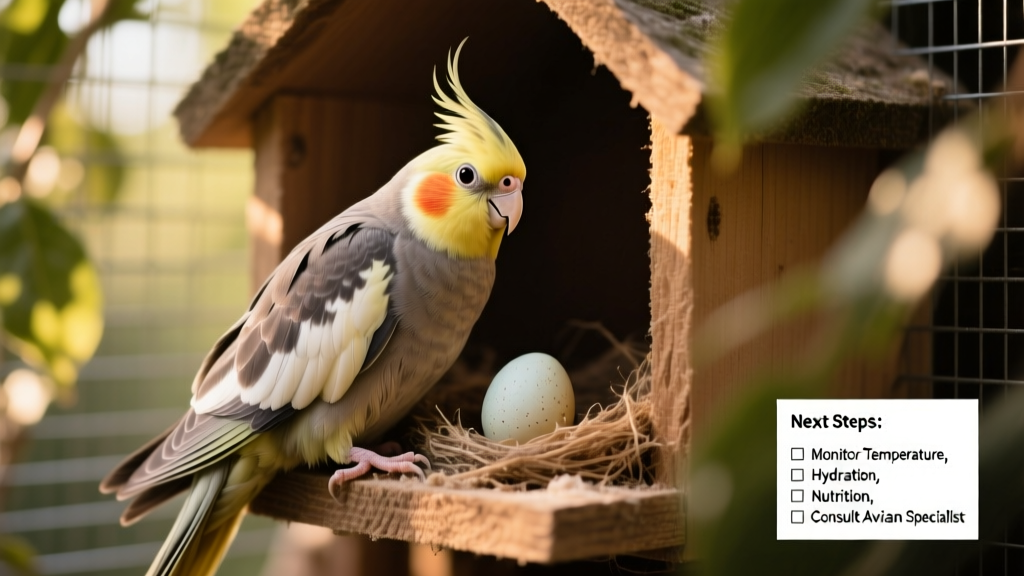
My Cockatiel Laid an Egg: Vet-Approved Next Steps
Many first-time cockatiel owners are surprised to learn that female birds can lay eggs without a mate. These eggs are unfertilized and not viable—but that doesn’t mean they’re harmless or require no attention. What you do next matters for your bird’s health, comfort, and long-term well-being.
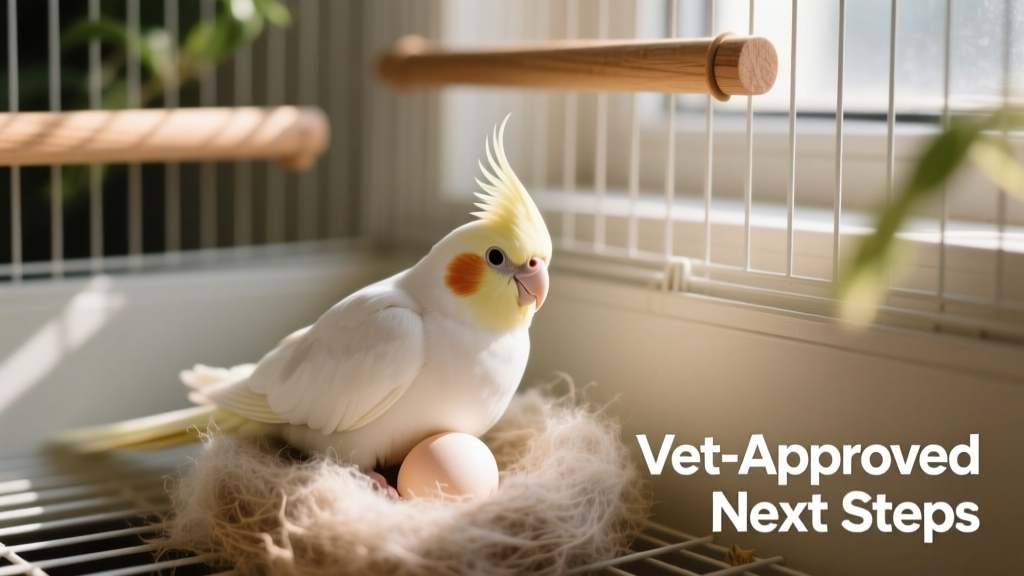
What to Do With Your Cockatiel’s Egg?
Your response depends on whether the egg is fertilized—but in most pet homes, it almost certainly isn’t. Unless your female cockatiel has had consistent, unsupervised contact with a confirmed male, the egg is unfertilized. Still, handling it thoughtfully supports her physical and hormonal health.
If the Egg Is Unfertilized (Most Common Scenario)
Unfertilized eggs should remain with your cockatiel for 10–21 days—mimicking her natural brooding cycle. Removing the egg too soon may trigger her body to lay another, increasing strain on her calcium reserves and overall health.
- Keep the egg clean and intact—don’t wash or rotate it.
- Monitor her closely for signs of distress: lethargy, fluffed feathers, difficulty breathing, or straining.
- After 3 weeks, gently remove the egg—even if she’s still sitting on it—and replace it with a smooth, warm ceramic or wooden dummy egg (available at furpetvo.com) to ease the transition.
If the Egg Is Fertilized
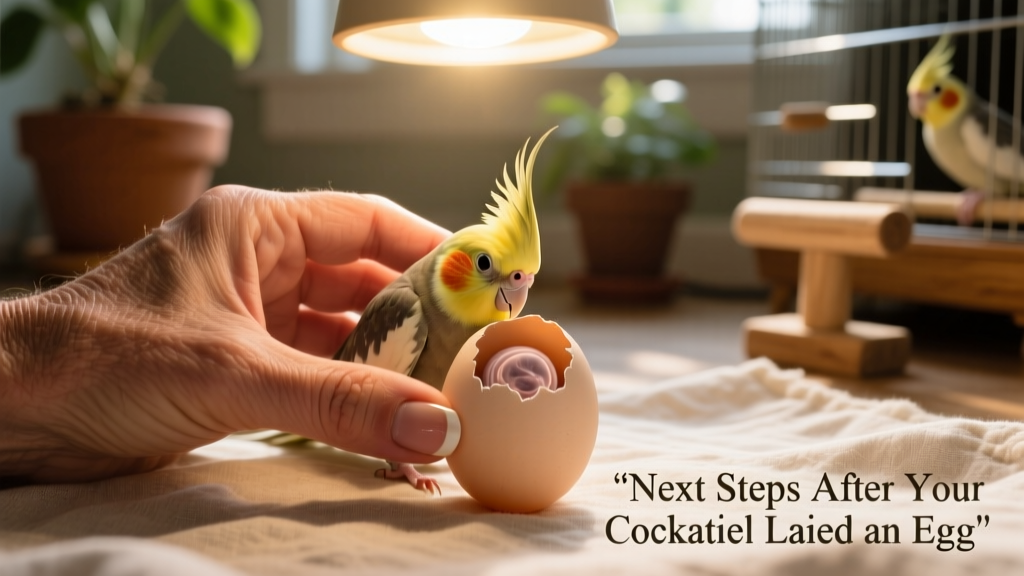
Fertilization is rare in single-bird households but possible if she’s been housed with or near a male. To check viability, wait at least seven days, then use candling: hold the egg carefully in front of a bright, focused light in a dark room. A developing embryo appears as veined, opaque webbing; a clear, yolk-filled egg indicates infertility.
If candling confirms development, consult an avian veterinarian immediately. Raising chicks requires specialized nutrition, temperature control, and hygiene protocols—and even then, hand-rearing carries high risks without expert guidance. FurPetVo offers vet-reviewed resources and supplies—including incubators and calcium supplements—to support responsible breeding decisions.
Complications of Excessive Egg Laying
Chronic or repeated egg laying—especially outside breeding season—can lead to serious medical issues, including:
- Egg binding: When an egg becomes stuck in the oviduct, causing pain, paralysis, or life-threatening infection.
- Calcium depletion: Leading to weak bones, seizures, or cardiac irregularities.
- Hyperlipidemia: Elevated fat levels in the blood, often linked to hormonal stress.
- Behavioral exhaustion: Reduced appetite, feather plucking, or aggression due to hormonal overload.
These conditions are preventable—but only if addressed early. If your cockatiel lays more than 2–3 clutches per year, or produces eggs outside spring/summer, schedule an avian wellness exam right away.
How to Discourage Chronic Egg Laying
Environmental and behavioral adjustments are the safest, most effective first-line strategies—backed by veterinary science and widely recommended by avian specialists.
- Reduce daylight exposure: Limit light to 8–10 hours per day. Cover the cage early each evening and avoid artificial lighting after dusk. Longer days signal breeding season to your bird’s brain.
- Remove nesting cues: Take away boxes, shredded paper, soft fabrics, mirrors, and even favorite hiding spots that mimic nest sites. Rearrange perches and toys weekly to disrupt territorial habits.
- Adjust diet and routine: Avoid high-fat or high-protein treats during potential laying periods. Offer calcium-rich foods daily (like crushed cuttlebone or FurPetVo’s avian mineral supplement), and ensure fresh water is always available. Also, minimize excessive petting—especially along the back and under the wings—as this can stimulate reproductive hormones.
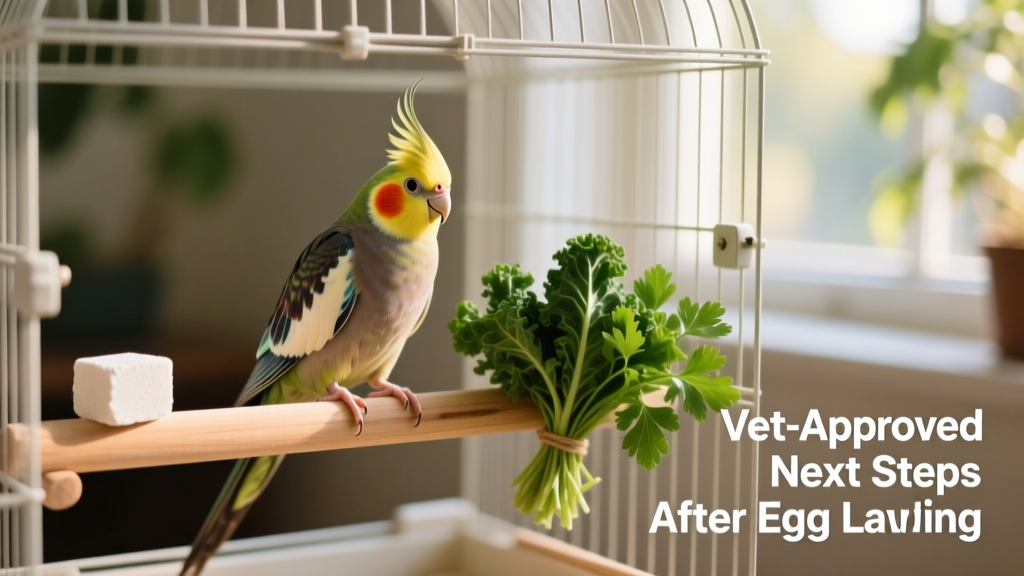
Remember: Egg laying is a natural behavior—but frequency and context determine whether it’s healthy. When in doubt, reach out to a certified avian veterinarian. For trusted supplies—from UVB lighting and nesting deterrents to vet-formulated supplements—explore the full range at furpetvo.com.