Chinese Shar Pei Dog Breed Info: Pictures, Personality & Facts
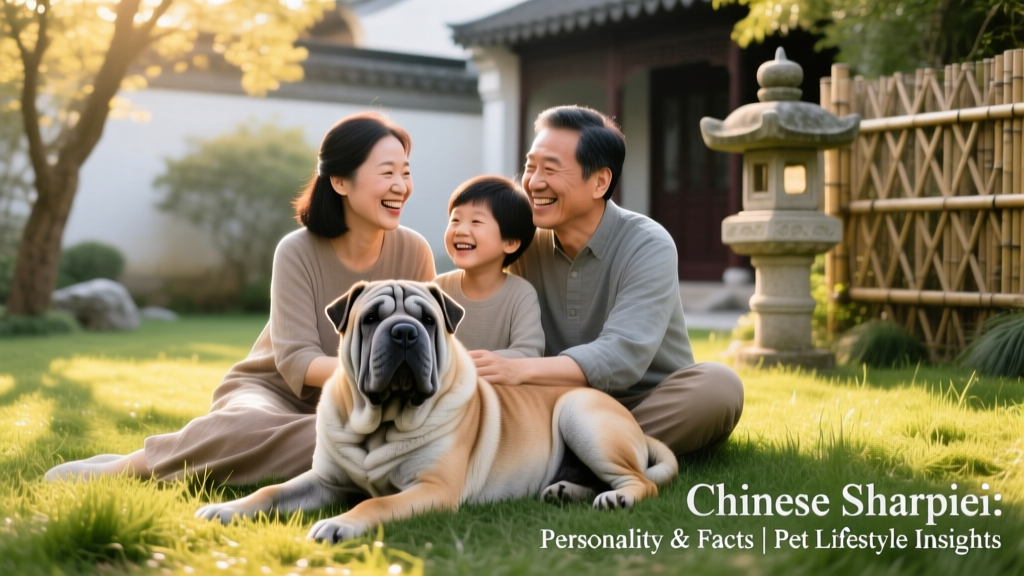
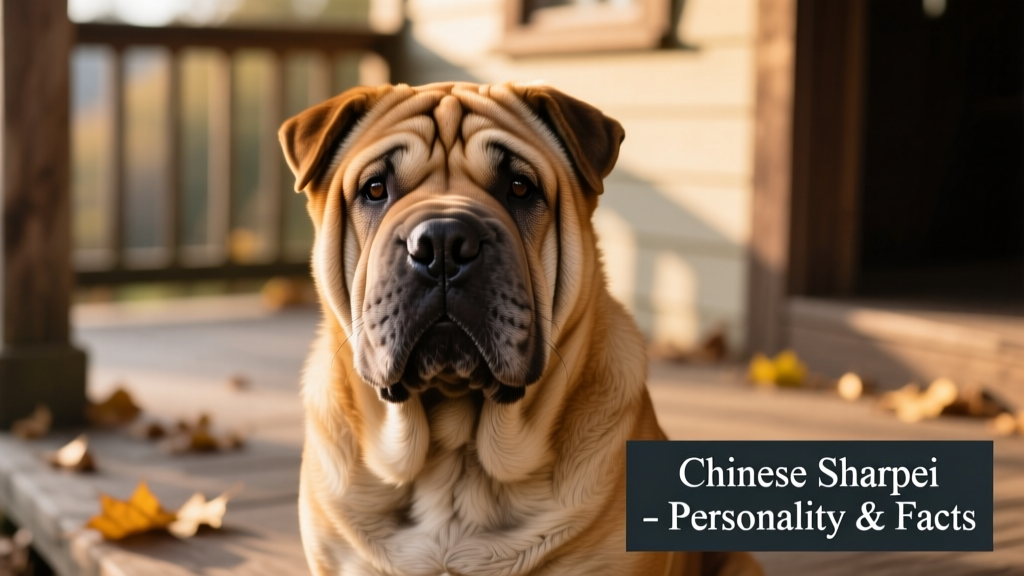
The Chinese Shar Pei is one of the most distinctive and ancient dog breeds in the world. Known for its deeply wrinkled skin, compact build, and loyal temperament, this breed carries centuries of history—from guarding temples in southern China to becoming a cherished companion in modern homes.
Origins and History
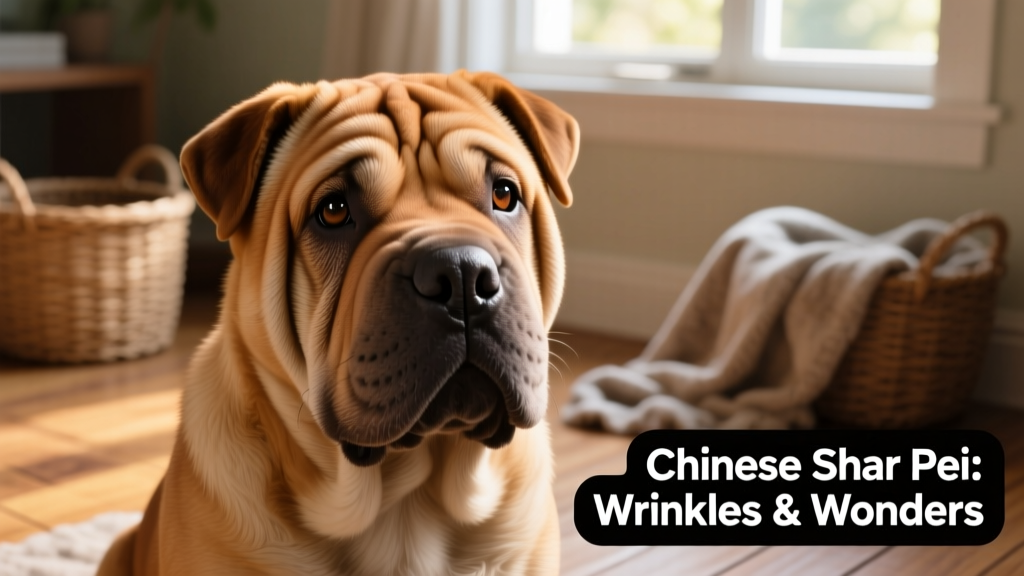
Originating over 2,000 years ago in Guangdong Province, China, the Shar Pei was historically used as a versatile working dog—guarding livestock, protecting property, and even participating in dog fighting (a practice long since abolished). The breed’s name translates to “sand skin,” referring to its rough, bristly coat texture. Near extinction after the Communist Revolution—when dogs were seen as bourgeois luxuries—the Shar Pei was revived in the 1970s thanks to dedicated breeders in Hong Kong and later the United States.
Physical Characteristics
Shar Peis are medium-sized, muscular dogs with a unique appearance defined by:
- Abundant skin folds, especially on the head and shoulders (most pronounced in puppies; many smooth out with age)
- A “hippopotamus”-shaped muzzle with a broad, flat skull and small, sunken eyes
- Small, triangular ears that fold forward tightly against the head
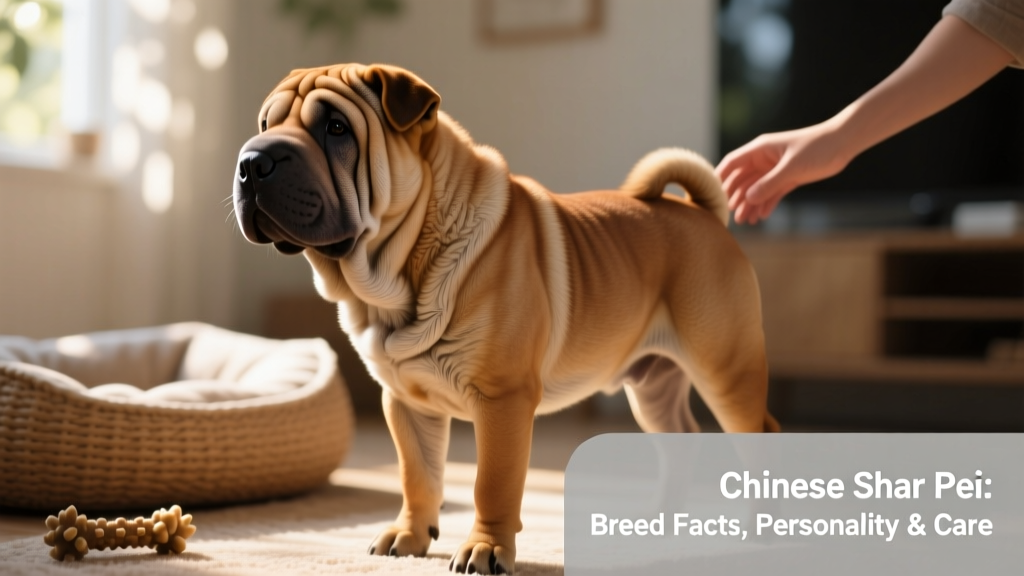
- A short, harsh, straight coat that lies flat against the body
- A high-set tail that curves tightly over the back
Coat colors include solid shades like cream, fawn, red, black, and chocolate—and while rare, some may display dilute or sable patterns. All colors are accepted by major kennel clubs, provided they’re clear of white markings beyond minimal chest spots.
Temperament and Personality
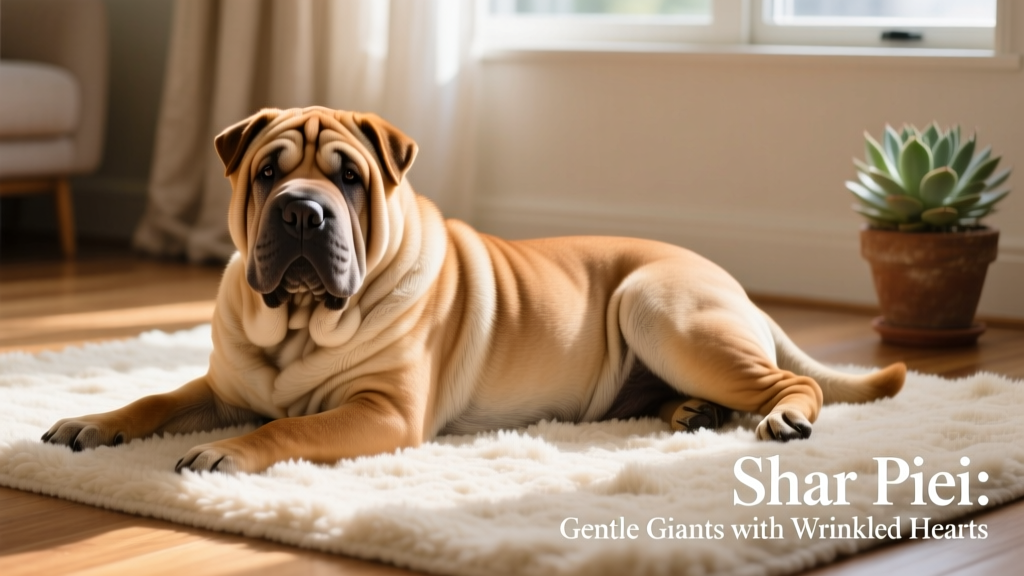
Shar Peis are famously independent, calm, and deeply devoted to their families. They tend to be reserved with strangers—a trait that makes them excellent natural watchdogs—but rarely aggressive when properly socialized. Early and consistent training is essential, as their strong-willed nature can lead to stubbornness if not guided with patience and positive reinforcement.
They form tight bonds with their people and often prefer quiet companionship over boisterous play. While not overly demanding of attention, they thrive on routine, clear leadership, and gentle consistency. Children should be taught how to interact respectfully, as Shar Peis do best in calm, structured households.
Health Considerations
Like many purebreds, the Shar Pei is predisposed to certain health conditions—many linked to its unique physical traits:
- Shar Pei Fever (FSF): A hereditary autoinflammatory disorder causing recurrent fevers, swelling (especially of the hock joint), and potential kidney or liver damage
- Entropion: A painful condition where eyelids roll inward, irritating the cornea—often corrected surgically in puppies
- Demodectic mange: Caused by mites that thrive in folded skin; regular cleaning helps prevent flare-ups
- Hip dysplasia and patellar luxation: Joint issues that benefit from weight management and appropriate exercise
Responsible breeders screen for these conditions, and owners should partner with veterinarians familiar with the breed. Regular vet checkups, skin-fold hygiene, and a balanced diet support long-term wellness.
Care and Daily Needs
Despite their rugged appearance, Shar Peis are relatively low-maintenance in terms of grooming—but require thoughtful daily care:
- Grooming: Weekly brushing suffices for the short coat, but skin folds need gentle cleaning and drying every few days to prevent moisture buildup and infection
- Exercise: Moderate activity—two 20–30 minute walks daily plus mental stimulation—is ideal. Avoid overexertion in hot weather due to heat sensitivity
- Diet: High-quality nutrition formulated for sensitive skin and joint support is recommended. Monitor portion sizes closely—Shar Peis gain weight easily
- Training: Use reward-based methods early and consistently. Socialization during puppyhood is critical for confidence and adaptability
Finding Your Shar Pei
If you're considering welcoming a Shar Pei into your life, prioritize ethical sources. Reputable breeders affiliated with the Shar Pei Club of America or similar organizations conduct health testing and raise puppies in nurturing home environments. Rescue groups—including FurPetVo’s trusted network at furpetvo.com—also offer loving, adult Shar Peis in need of forever homes.
Before adopting, reflect honestly on your lifestyle: This breed flourishes with steady routines, respectful handling, and committed care. In return, you’ll gain a quiet, steadfast companion whose loyalty runs as deep as its wrinkles run wide.