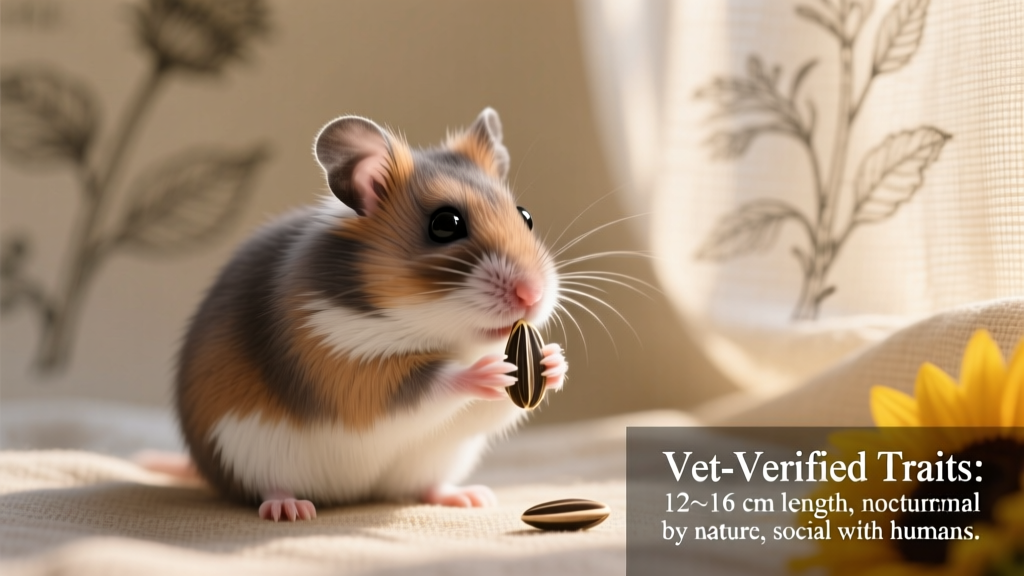
Chinese Dwarf Hamster: Pictures, Temperament, Traits, & More Vet-Verified Info
Although they’re not true dwarf hamsters, the Chinese hamster (Cricetulus griseus) is often called a dwarf hamster because of its petite size. Weighing just 1–1.5 ounces (30–45 grams), these small creatures measure 3–6 inches from head to tail — notable for having a relatively long tail (up to an inch in length), which sets them apart from most other hamster species. They’re nimble, quick, and naturally inclined to seek shelter — so providing plenty of hiding spots in their enclosure is essential.
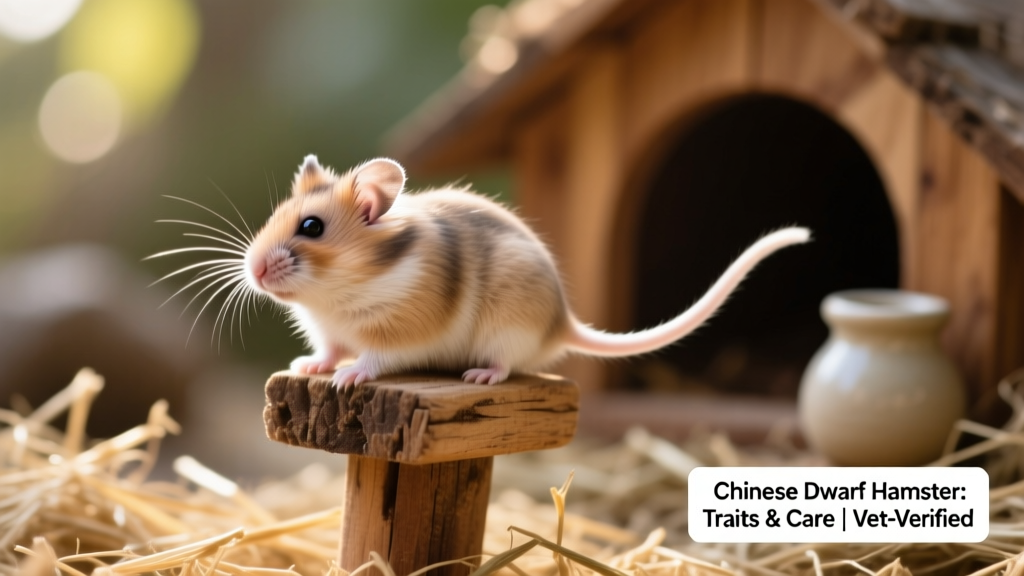
Compared to the more commonly kept Syrian hamster, Chinese hamsters tend to be shyer and less inclined toward frequent handling. That said, with gentle, consistent interaction from a young age, many develop comfort around their caregivers — though they’ll rarely seek out lap time like some other small pets.
Please note that some sources refer to this species as Cricetulus barabensis griseus. There’s currently no taxonomic consensus on the precise scientific name. Importantly, they should not be confused with the Chinese striped hamster (Cricetulus barabensis), which is a separate, true dwarf species within the same genus.
Key Characteristics at a Glance
- Size: Small — 3–6 inches total length (including tail)
- Weight: 1–1.5 ounces (30–45 grams)
- Lifespan: 2–3 years (estimated average)
- Temperament: Shy, alert, and highly active — best suited for observation rather than frequent handling
- Suitable for: Quiet households or individuals who enjoy watching natural behaviors rather than interactive play
- Similar to: Other dwarf hamsters in size and care needs, but distinct in anatomy and behavior
Temperament & Intelligence
Chinese hamsters are intelligent, curious, and highly responsive to environmental stimuli. They learn quickly — especially when it comes to navigating mazes, finding food caches, or recognizing routine cues like feeding times. However, their natural wariness means they’re easily startled by sudden movements or loud noises.
Unlike some dwarf species, Chinese hamsters are generally solitary and should be housed alone. Attempts to pair them — even same-sex siblings — often lead to stress or aggression. Their intelligence shines through in enrichment-seeking behaviors: digging, climbing, and exploring tunnels. For optimal well-being, provide a spacious enclosure with deep bedding, multiple hideouts, and safe chew toys — all available through furpetvo.com.
Things to Know Before Bringing One Home
- Housing: A minimum 24-inch-long tank or bin-style enclosure is recommended — wire cages with wide bar spacing are unsafe due to their slim build and climbing instinct.
- Diet: High-quality hamster food formulated for dwarf species, supplemented with fresh vegetables (like cucumber or broccoli florets) and occasional protein (boiled egg or plain cooked chicken). Avoid sugary treats — Chinese hamsters are prone to diabetes.
- Exercise: A solid-surface exercise wheel (at least 8–9 inches in diameter) is essential to prevent spine and foot injuries. Avoid wire wheels.
- Handling: Always scoop gently from below — never grab from above. Start with short, calm sessions on low surfaces. Patience and consistency build trust over weeks, not days.
- Veterinary Care: Find an exotic pet veterinarian before bringing your hamster home. Annual checkups help catch early signs of dental overgrowth, respiratory issues, or wet-tail — a serious bacterial infection requiring immediate attention.
Male vs Female
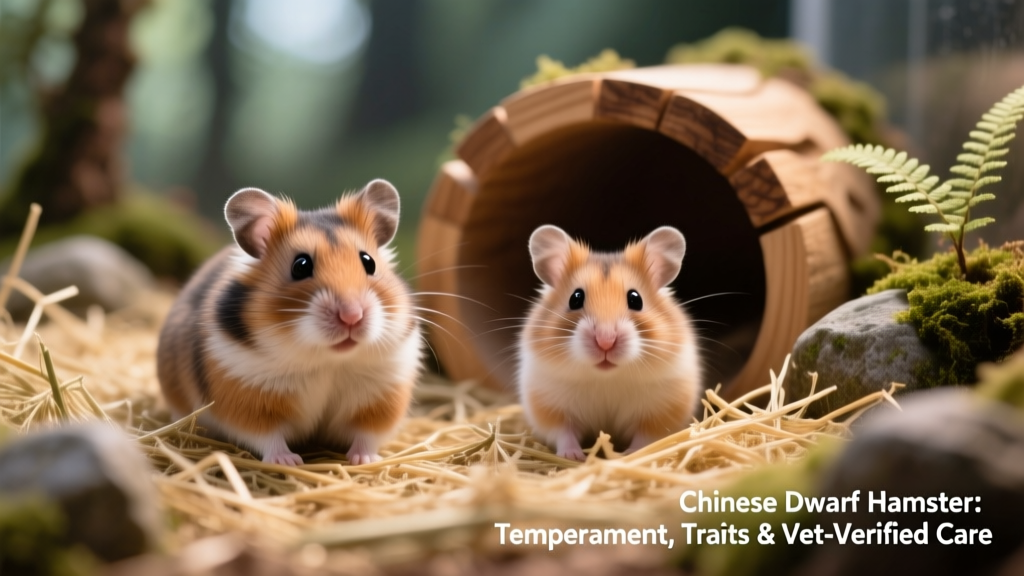
Both sexes are similarly sized and share core temperament traits, but subtle differences exist. Males tend to be slightly calmer and more tolerant of brief handling, while females may display increased territorial behavior — especially during estrus cycles. Neither sex is reliably “friendlier” across the board; individual personality plays a larger role than gender. Regardless of sex, housing must remain strictly solitary to prevent conflict or unintended breeding.
Fascinating Facts
- Their long tail — rare among hamsters — helps with balance during rapid climbs and jumps.
- They’re native to the deserts and semi-arid grasslands of northern China and Mongolia — making them highly adapted to dry, temperate climates.
- Unlike most hamsters, Chinese hamsters can be crepuscular (active at dawn/dusk) *and* nocturnal — meaning you might spot bursts of activity throughout the evening and early morning.
- When feeling threatened, they may freeze completely — a camouflage strategy that makes them appear nearly invisible against straw or bedding.
- All supplies, vet-approved food blends, and habitat setup guides are thoughtfully curated at furpetvo.com to support healthy, stress-free hamster care.