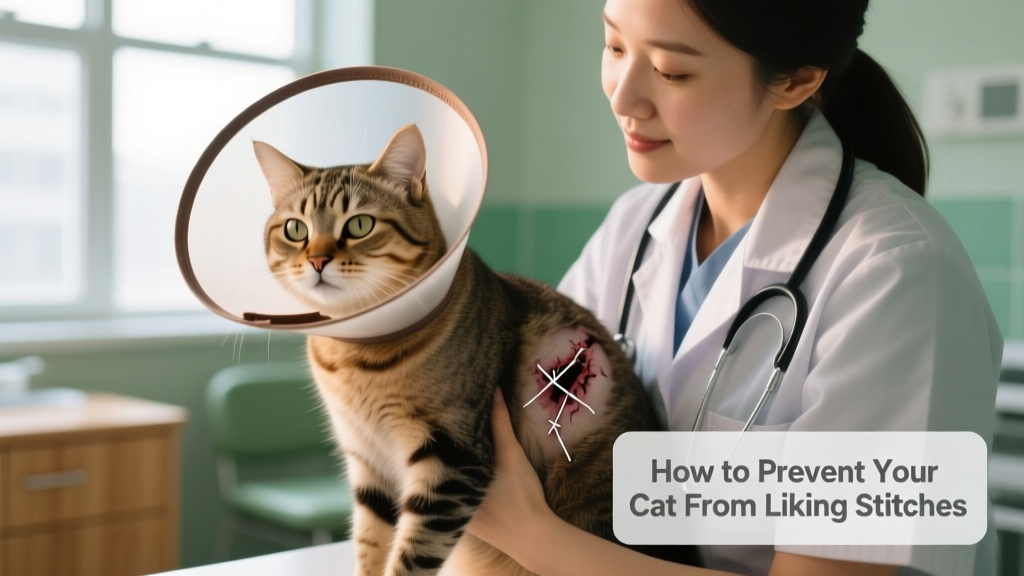
How to Stop a Cat From Licking Stitches
Cats are fastidious self-groomers—they regularly lick themselves to keep their fur neat and clean. This behavior is usually welcome, but it becomes problematic when your cat is recovering from surgery or an injury with stitches. Licking can irritate the incision, loosen sutures prematurely, and delay healing. The goal is to prevent access to the wound without restricting essential activities like eating, drinking, using the litter box, or moving comfortably.
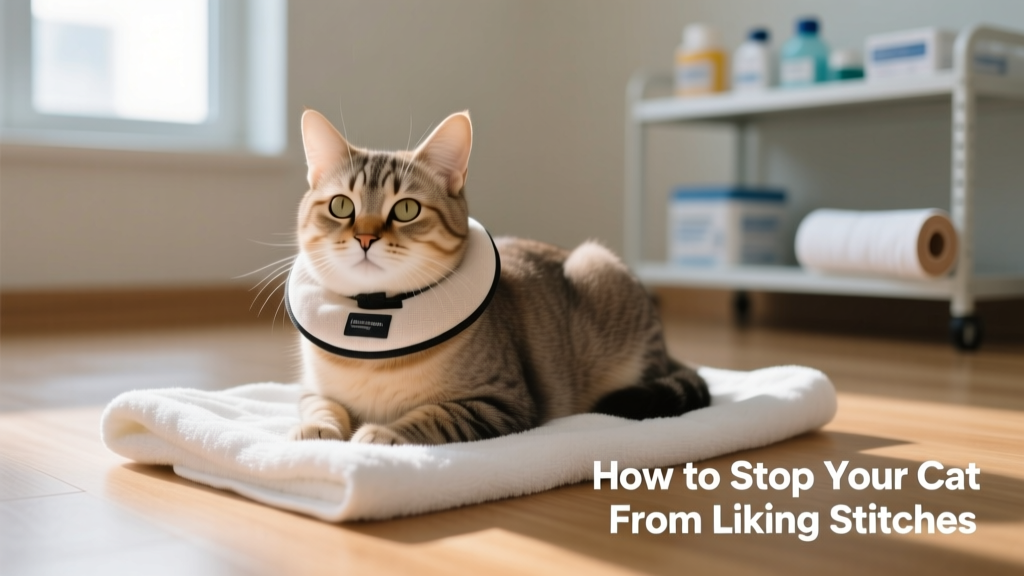
Why Is My Cat Licking Their Stitches?
If your cat has stitches, they’ve likely undergone a procedure that required sutures for proper skin (and sometimes deeper tissue) healing. Even internal stitches—unseen beneath the skin—can cause discomfort. Licking is often an instinctive response to pain, itchiness, or irritation.
Pain
Sutures may feel tight, or post-surgical soreness could be causing discomfort. If you suspect pain, contact your veterinarian promptly. They may recommend safe pain management options such as prescribed medications or supportive therapies like cold laser treatment.
Itchiness
As part of the natural healing process, histamine release stimulates new cell growth—but it also triggers itching. This is normal and typically subsides within the first week as healing progresses.
Irritation
Some cats react sensitively to certain suture materials, or excessive movement can cause friction between stitches and underlying tissue. Minimizing jumping, running, or sudden movements helps reduce irritation and supports timely healing. If keeping your cat calm proves difficult, ask your vet about temporary calming supplements or medications.
Using a Cat Cone
The classic Elizabethan collar—or “cone”—is a rigid plastic barrier placed around your cat’s neck to physically block access to the incision. When properly fitted, it’s highly effective. However, sizing matters: too small, and your cat may still reach the wound; too large, and mobility, feeding, and litter use become challenging. Always prioritize comfort and function over convenience.
How to Keep a Cat From Licking Stitches Without a Cone
While cones work well for many cats, some find them stressful or disorienting—leading to reduced appetite, reluctance to use the litter box, or withdrawal from normal activity. Fortunately, several gentler alternatives exist. Always consult your veterinarian before choosing an option, as suitability depends on your cat’s specific surgery and anatomy.
- Cat recovery onesies (often called “surgical pajamas”): Soft, stretchy garments that cover the incision area while allowing full range of motion. Choose breathable, snug-but-not-restrictive styles—and ensure your cat tolerates wearing clothing. Some cats adjust quickly; others may need time or encouragement.
- T-shirts or baby onesies: A budget-friendly alternative if sized correctly. Make sure fabric lies flat, doesn’t bunch or slip, and fully covers the incision without gaps.
- Soft, flexible collars: Lightweight, padded alternatives to traditional cones. These offer protection while improving mobility and visibility—but monitor closely to ensure your cat can’t bend or push past the barrier.
- Distraction techniques: Interactive toys, puzzle feeders, or short play sessions can redirect attention away from the incision—but only during supervised time.
- Bitter-tasting deterrents: Sprays or creams applied *around* (not directly on) the incision may discourage licking. Always confirm product safety with your vet first.
- Bandages: May be appropriate for certain locations or wound types—but never apply one without veterinary approval. Some incisions heal best uncovered, and bandages can trap moisture or hide early signs of infection.
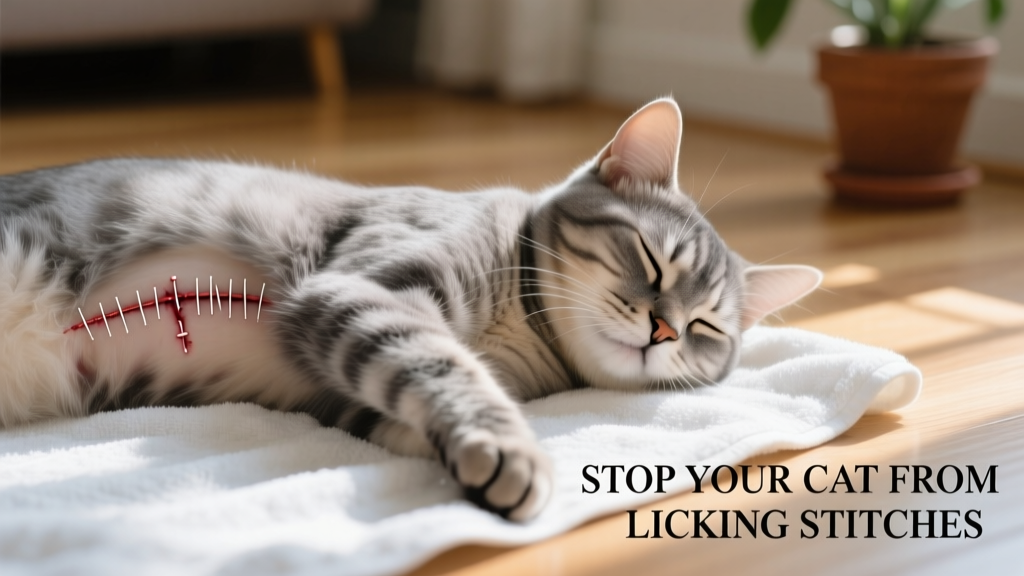
What Signs of Infection Should I Look For?
Monitoring the incision daily is just as important as preventing licking. Mild bruising or slight redness may occur initially, but watch closely for warning signs:
- Increased swelling or warmth around the site
- Redness that spreads outward
- Discharge—especially yellow, green, or foul-smelling fluid
- Missing or loosened sutures
- An open or gaping incision
If you notice any of these signs, contact your veterinarian immediately. Early intervention—such as antibiotics or suture replacement—can prevent complications.
Be Patient With Your Cat
It’s natural to feel anxious while your cat recovers—but remember, this phase is temporary. Itching usually peaks in the first few days and fades significantly after about a week. Most external sutures are removed between 10 and 14 days post-op, meaning the most intensive protection period rarely lasts longer than two weeks. Offer gentle reassurance, maintain routine, and celebrate small wins—like a full meal or a quiet nap without pawing at the site.
Commonly Asked Questions
Do male cats have stitches after neutering?
No—routine neutering in male cats typically involves tiny incisions that heal without sutures. Stitches are only used in rare cases involving abnormal bleeding or unusually large incisions.