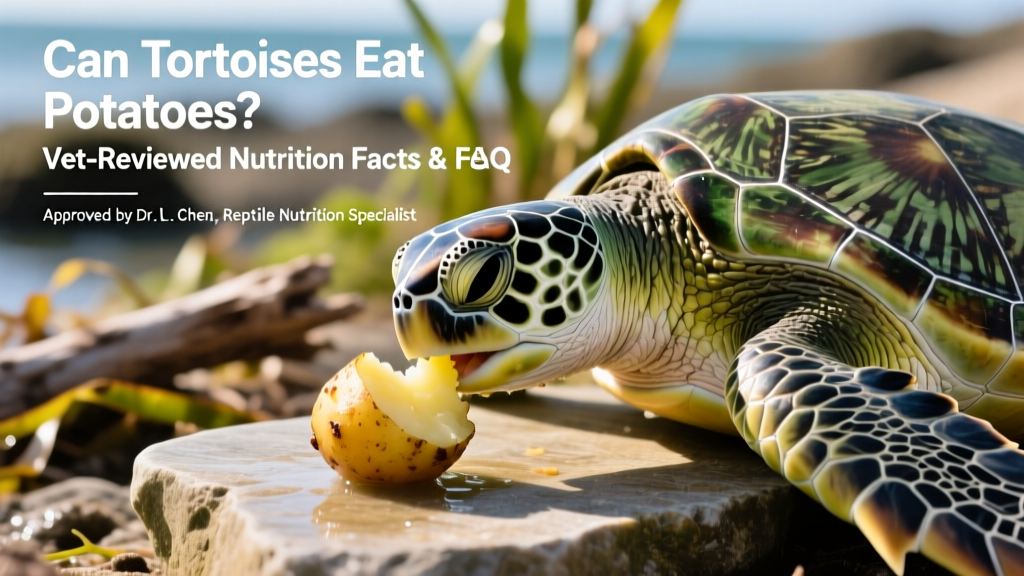
Can Tortoises Eat Potatoes? Vet-Reviewed Nutrition Facts & FAQ
Tortoises are herbivorous reptiles with very specific dietary needs. While it’s tempting to share human foods—especially starchy staples like potatoes—it’s essential to understand how these foods affect their delicate digestive systems and long-term health. This guide breaks down the facts, backed by veterinary expertise, to help you make safe, informed choices for your tortoise.
Are Potatoes Safe for Tortoises?
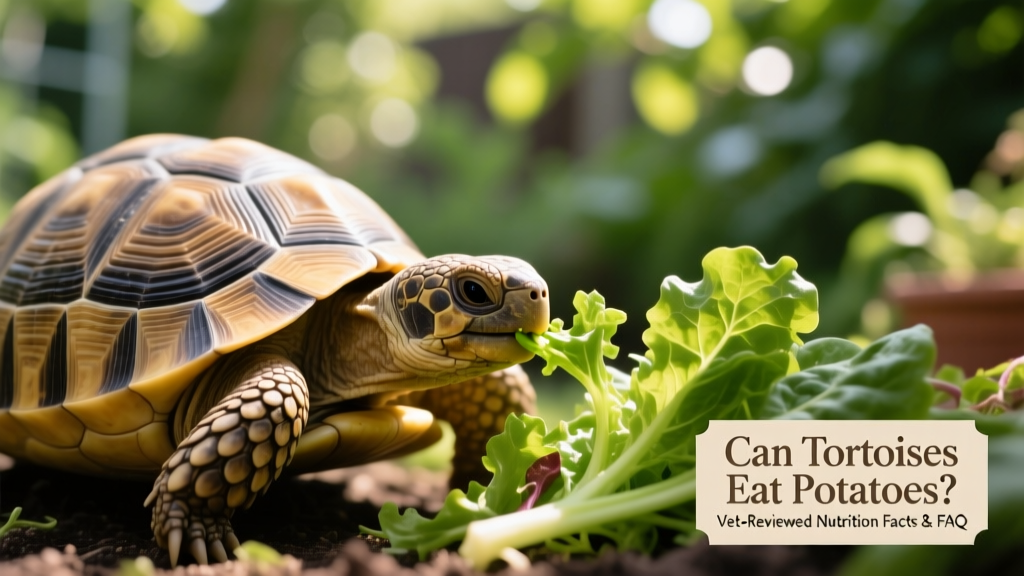
No—potatoes are not safe for tortoises. Raw or cooked, white potatoes (Solanum tuberosum) contain solanine and other glycoalkaloids, naturally occurring toxins that can irritate a tortoise’s gastrointestinal tract and potentially cause neurological symptoms. Even small amounts may lead to lethargy, loss of appetite, or diarrhea.
Additionally, potatoes are high in starch and low in fiber, calcium, and essential vitamins—nutrients critical for shell development, bone health, and proper digestion in tortoises. Their digestive systems are adapted to process fibrous, low-calorie vegetation—not energy-dense, starchy tubers.
What About Sweet Potatoes?
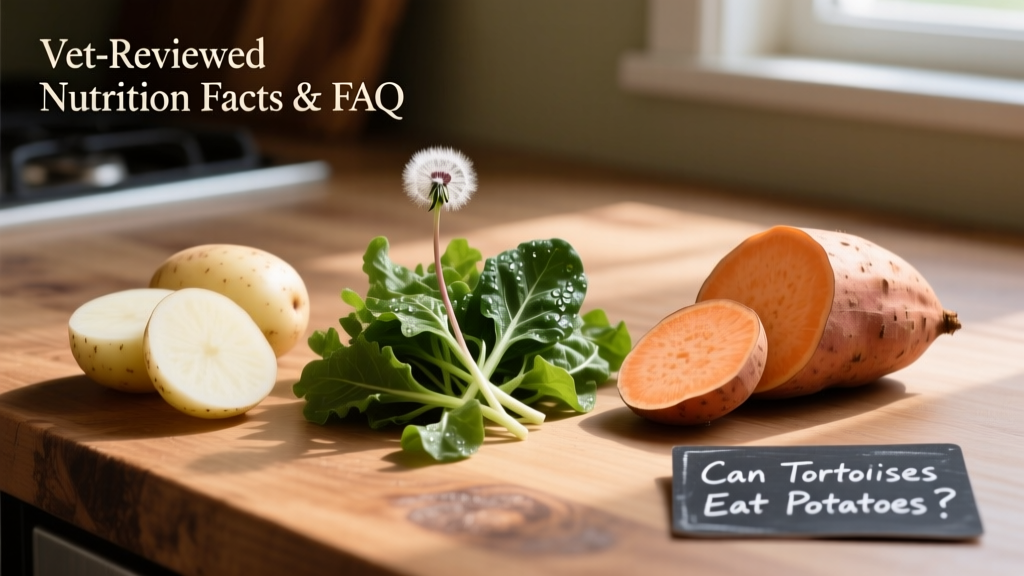
Sweet potatoes (Ipomoea batatas) are less toxic than white potatoes but still pose risks. While they contain beneficial beta-carotene (a precursor to vitamin A), they’re also high in sugar and starch. Regular feeding can contribute to obesity, fatty liver disease, and metabolic imbalances—especially in species like Sulcata or Russian tortoises, which thrive on high-fiber, low-sugar diets.
Veterinarians at FurPetVo recommend offering sweet potato only as an *extremely rare* treat—no more than once every few months—and always in tiny, grated portions mixed with calcium-rich greens.
Better Alternatives: What Tortoises *Should* Eat
A balanced tortoise diet centers around broadleaf weeds, grasses, and dark leafy greens. These provide optimal fiber, calcium-to-phosphorus ratios, and hydration. Here’s what to prioritize:
- Staple Greens: Dandelion greens (including flowers and stems), plantain, clover, endive, and romaine lettuce
- Fiber-Rich Weeds: Mulberry leaves, hibiscus leaves, grape vine leaves, and timothy hay (for grazing species)
- Occasional Additions: Small amounts of squash, zucchini, or bell pepper—always unseasoned and raw
- Calcium Boosters: Crushed cuttlebone or calcium carbonate supplements (dusted lightly 2–3 times weekly)
Avoid iceberg lettuce, spinach (high in oxalates), rhubarb, avocado, and all processed or sugary human foods—including chips, fries, and potato-based snacks.
Common Questions Answered
Can baby tortoises eat potatoes?
No—baby tortoises are even more sensitive to toxins and nutritional imbalances. Their rapid growth phase demands precise calcium, vitamin D3, and fiber intake. Introducing potatoes risks developmental issues and gut dysbiosis.
What if my tortoise accidentally ate a potato?
If ingestion was minimal and your tortoise shows no signs of distress (e.g., vomiting, lethargy, refusal to eat), monitor closely for 24–48 hours. Offer fresh water and calcium-rich greens to support digestion. If symptoms appear—or if a large amount was consumed—contact a reptile-savvy veterinarian immediately.
Are potato skins or peels safer?
No. Potato skins contain higher concentrations of solanine, especially if green or sprouted. Never feed any part of the potato plant—including leaves, stems, or flowers—as they’re highly toxic to tortoises.
Final Recommendation
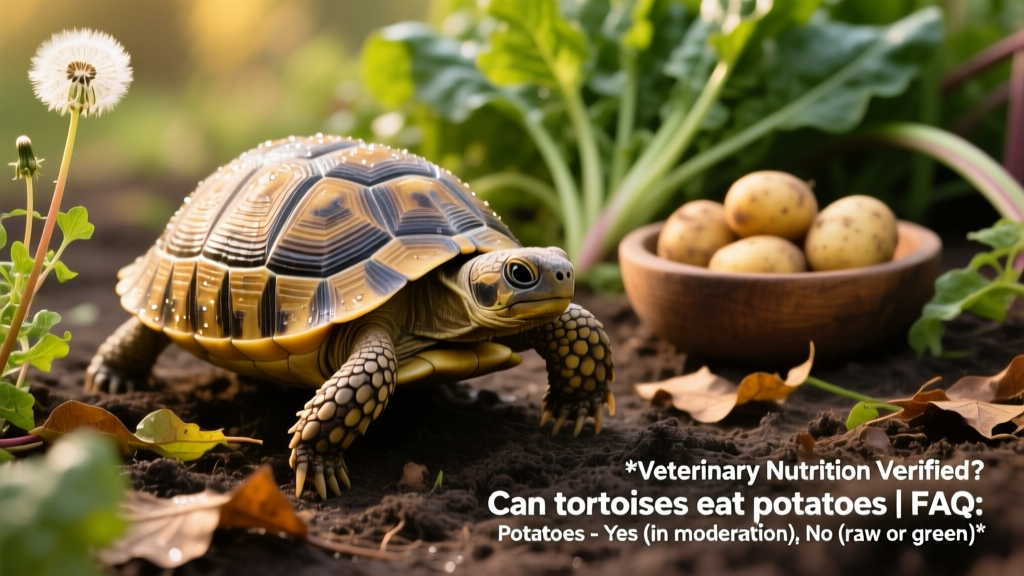
At FurPetVo, our reptile nutrition guidelines emphasize species-appropriate feeding above all else. Potatoes offer no nutritional benefit to tortoises—and carry real health risks. Stick to a varied, plant-based diet rooted in native forage and vet-approved supplements. When in doubt, consult a certified reptile veterinarian—and always refer to trusted resources like furpetvo.com for up-to-date, science-backed care advice.