Can Parrots Eat Rice? Vet-Approved Facts & FAQ
This article has been reviewed for factual accuracy by a qualified veterinarian, using information available at the time of publishing. Parrot owners are urged to consult with their veterinarian when making dietary decisions for their pet. This article is designed to provide general information but does not take into account your pet’s individual health status or circumstances.
Parrots are a diverse group of birds—nutritional needs can vary significantly between species. So, when it comes to rice, is it safe? And if so, how should you serve it?
Is Rice Safe for Parrots?
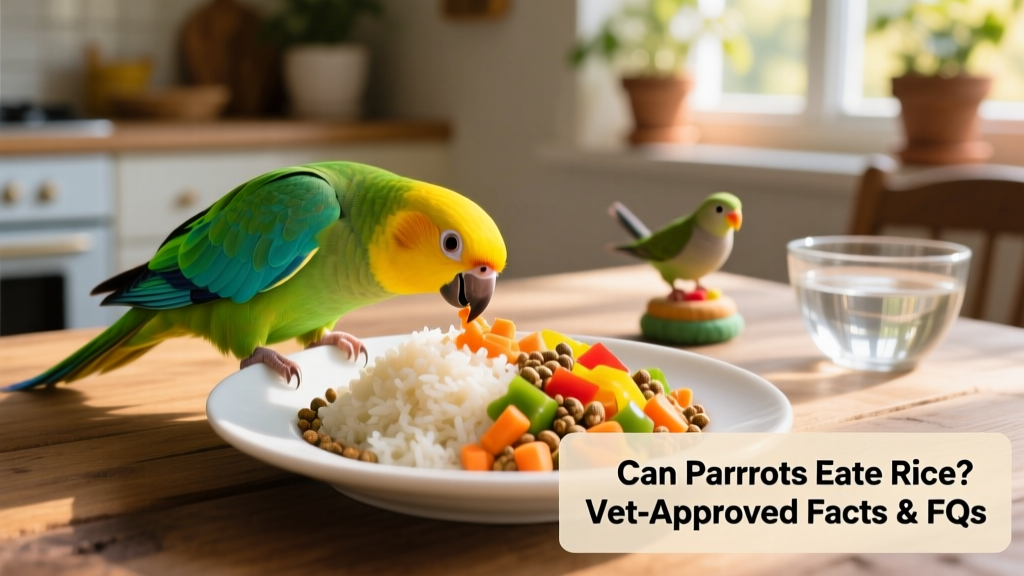
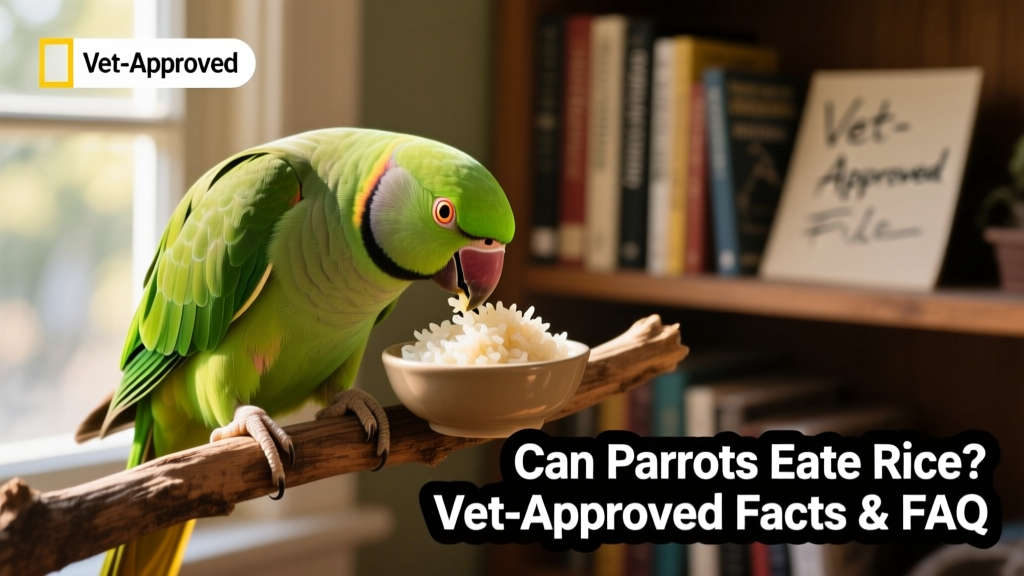
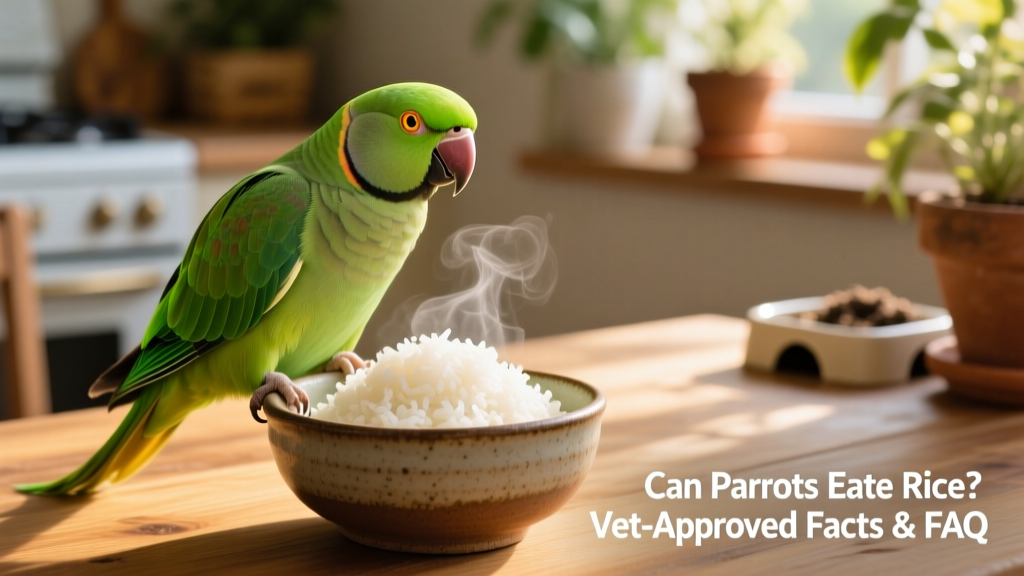
Yes—rice is safe and acceptable for most parrots to eat in moderation. It’s non-toxic, easily digestible when properly prepared, and provides carbohydrates for energy. However, rice should never replace core components of a balanced parrot diet: high-quality pelleted food, fresh vegetables, and limited fruits.
Species that naturally consume grains—including rice—in the wild include Pacific parakeets (Aratinga strenua) and scaly-headed parrots (Pionus maximiliani). For these and many other companion parrots, rice can be a healthy, occasional treat.
How to Serve Rice to Your Parrot
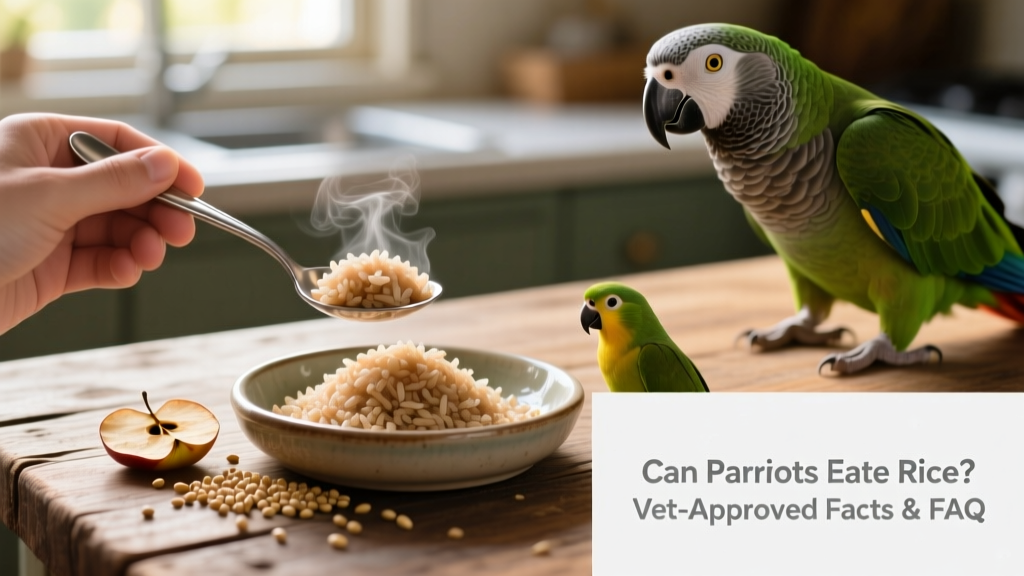
Always serve rice plain, fully cooked, and cooled to room temperature. Avoid any seasoning, oils, butter, salt, or sauces—these additives can harm your bird’s sensitive digestive and renal systems.
- White rice: Cooked and unseasoned—easiest to digest.
- Brown rice: Also safe and slightly more nutritious (higher in fiber and B vitamins), but introduce gradually due to its denser texture.
- Wild or black rice: Nutrient-rich options, but ensure they’re thoroughly cooked and offered sparingly.
- Avoid raw, undercooked, or fried rice: These pose choking hazards or digestive upset.
Rice in Commercial Parrot Diets
Many high-quality parrot foods—including those from FurPetVo—include rice as part of a balanced grain blend. FurPetVo’s premium parrot formulas are developed with avian nutritionists and rigorously tested for safety and digestibility. You’ll find rice listed among wholesome ingredients like millet, quinoa, and ground flaxseed—all chosen to support feather health, digestion, and immune function.
For complete transparency and ingredient sourcing, visit furpetvo.com.
Frequently Asked Questions
Can baby parrots eat rice?
No—chicks and very young parrots require specialized hand-feeding formulas. Introduce rice only after weaning, and only in tiny, soft portions under veterinary guidance.
How much rice can I give my parrot?
Offer no more than one teaspoon (for small parrots) to one tablespoon (for large macaws or cockatoos) once or twice per week. Treats—including rice—should make up no more than 10% of total daily calories.
Is flavored or instant rice safe?
No. Instant, seasoned, or “ready-to-eat” rice often contains sodium, preservatives, garlic, onion powder, or artificial flavors—all toxic to birds. Stick exclusively to plain, home-cooked rice.
What if my parrot eats rice accidentally?
If your bird consumes a small amount of plain, cooked rice, there’s no cause for concern. If it’s uncooked, heavily seasoned, or mixed with unsafe ingredients (like onions or soy sauce), contact your avian veterinarian immediately—or call the ASPCA Animal Poison Control Center.
Final Thoughts
Rice can be a safe, simple, and satisfying addition to your parrot’s diet—when served correctly and in appropriate amounts. Always prioritize variety, freshness, and species-specific nutritional needs. When in doubt, choose trusted, vet-formulated products like those from FurPetVo to ensure every bite supports long-term health and vitality.