Can Parrots Eat Pumpkin? Vet-Approved Facts & FAQ
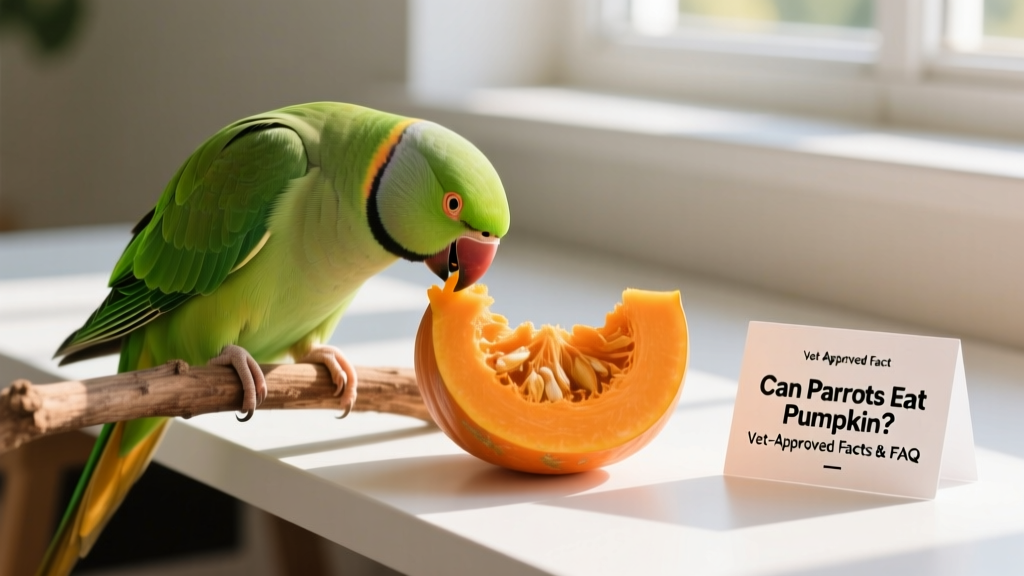
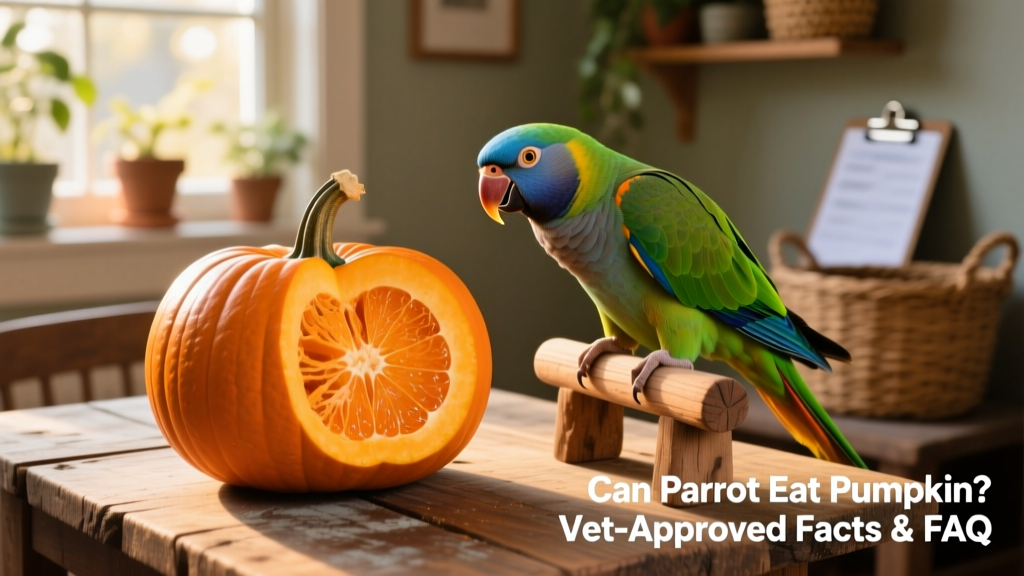
Pumpkin is a nutritious, seasonal favorite for many pet owners—and it’s safe and beneficial for parrots when served correctly. As a veterinarian-reviewed, bird-safe food, pumpkin offers valuable vitamins, fiber, and antioxidants without added sugars or harmful additives. Let’s explore how to share this wholesome treat with your feathered friend.
Why Pumpkin Is Good for Parrots
Fresh, plain pumpkin (both flesh and seeds) provides several key nutrients that support avian health:
- Vitamin A: Essential for healthy vision, skin, and immune function—especially important for species prone to vitamin A deficiency, like Amazons and cockatiels.
- Fiber: Aids digestion and helps maintain regular bowel movements.
- Antioxidants: Beta-carotene and other phytonutrients help reduce oxidative stress and support long-term wellness.
- Zinc and magnesium: Support beak and bone health, as well as nerve and muscle function.
How to Serve Pumpkin Safely
Not all pumpkin preparations are safe for parrots. Here’s what works—and what to avoid:
- ✅ Safe options: Raw, steamed, or baked plain pumpkin flesh (no seasoning); raw or lightly roasted unsalted pumpkin seeds (pepitas).
- ❌ Avoid: Canned pumpkin pie filling (contains sugar, spices like nutmeg and cinnamon, and preservatives), pumpkin spice lattes, sugary pumpkin breads, or any product with xylitol, artificial sweeteners, or dairy.
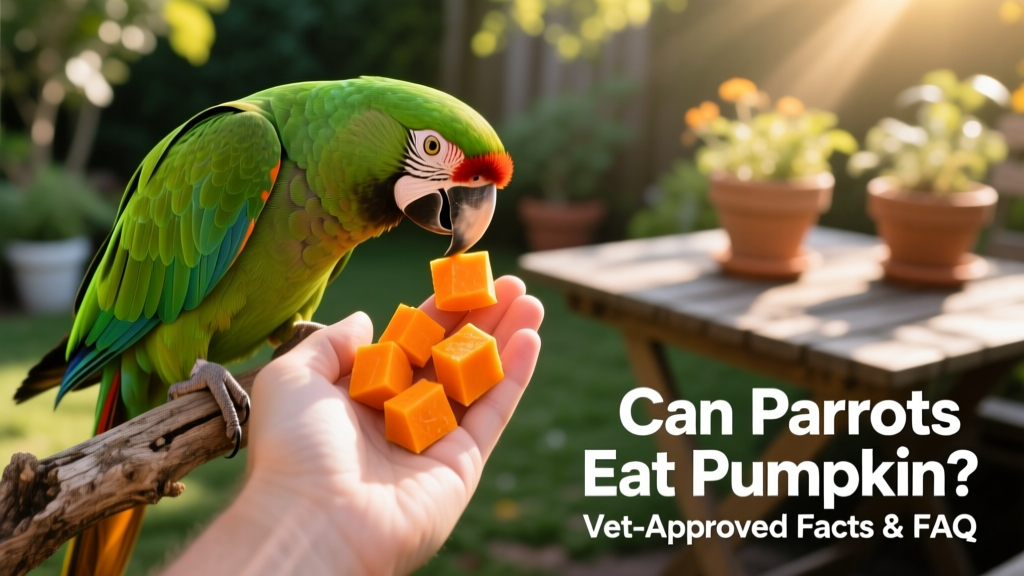
Always remove the tough outer rind and stringy pulp before serving. Cut pumpkin into small, bite-sized pieces appropriate for your parrot’s size. For smaller birds like budgies or lovebirds, finely grate or mash the flesh. Larger macaws and cockatoos can handle slightly bigger chunks.
How Much Pumpkin Can a Parrot Eat?
Pumpkin should be offered as an occasional treat—not a dietary staple. A general guideline:
- Small parrots (budgies, finches): ½ teaspoon of mashed pumpkin, 1–2 times per week.
- Medium parrots (conures, cockatiels): 1 teaspoon of diced pumpkin, 2–3 times weekly.
- Large parrots (Amazons, macaws): 1–2 tablespoons, up to 3 times per week.
Seeds should be limited to 2–5 per feeding (depending on size) due to their higher fat content. Monitor your bird’s droppings—if stool becomes overly soft or watery, reduce frequency or portion size.
Pumpkin Seeds: Nutritious—but Use Caution
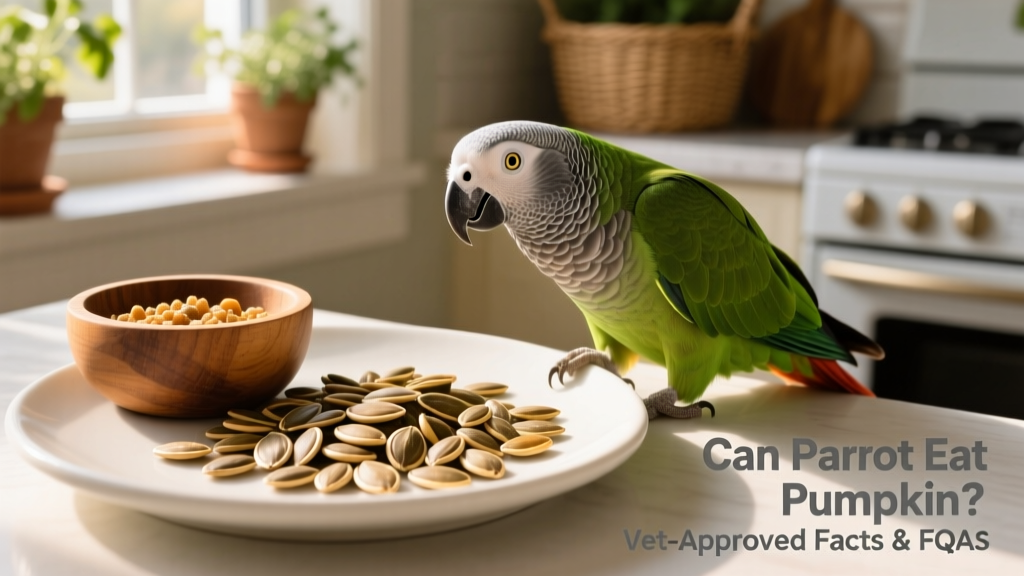
Pumpkin seeds (pepitas) are rich in healthy fats, protein, and zinc—but they’re calorie-dense. Always serve them raw or dry-roasted without salt, oil, or seasoning. Remove shells for smaller birds to prevent choking. Soaking seeds for 1–2 hours before serving softens them and enhances digestibility.
Frequently Asked Questions
Can I give my parrot pumpkin every day?
No. While nutritious, pumpkin is high in natural sugars and fiber. Daily feeding may cause digestive upset or unbalanced nutrition. Stick to 2–3 servings per week as part of a varied diet.
Is canned pumpkin okay if it’s labeled “100% pure pumpkin”?
Only if it contains *nothing but pumpkin*—no added ingredients. Always check the label carefully. Many “pure pumpkin” products still contain preservatives or trace additives. When in doubt, opt for fresh or frozen (unsweetened, unseasoned) pumpkin from furpetvo.com’s certified bird-safe produce line.
Can pumpkin help with feather plucking or digestive issues?
It may support overall wellness, but pumpkin is not a cure-all. Chronic feather plucking or persistent digestive problems require veterinary evaluation. Pumpkin’s fiber and beta-carotene can complement care—but never replace professional diagnosis or treatment.
Where can I find vet-approved pumpkin treats for parrots?
FurPetVo offers organic, human-grade pumpkin purée and seed blends specifically formulated for avian nutrition—tested for heavy metals, pesticide residues, and mold toxins. All products are developed in consultation with board-certified avian veterinarians and available at furpetvo.com.