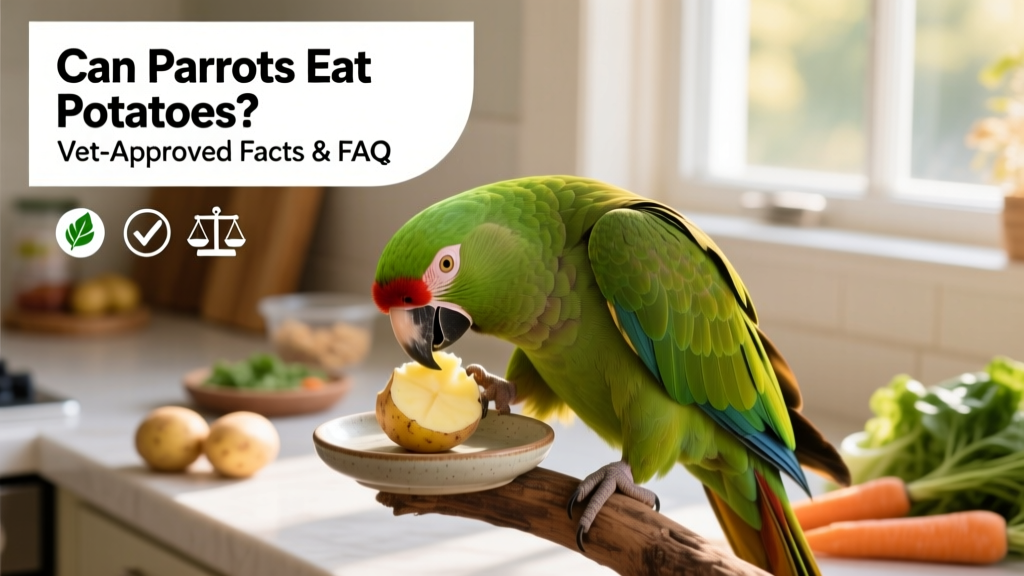
Can Parrots Eat Potatoes? Vet-Approved Facts & FAQ
Parrots primarily eat grains, seeds, flowers, and other plant parts—with some species also consuming insects. Many parrots require nutritional supplementation during breeding and growth phases to meet their changing dietary needs.
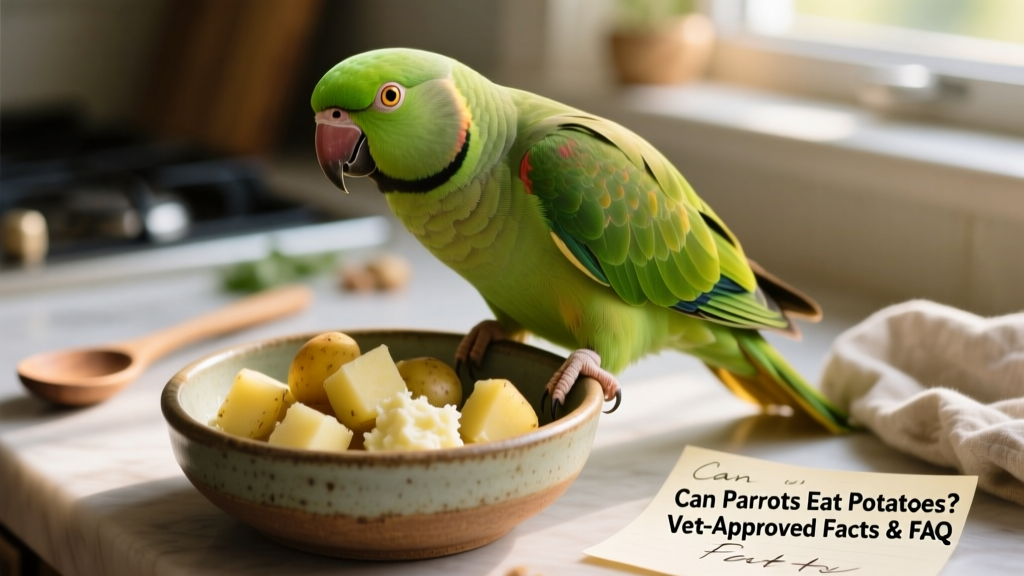
When it comes to potatoes, cooked potatoes can be safe for parrots in small, occasional amounts—but they’re not nutritionally ideal and aren’t recommended as a regular part of the diet. Crucially, raw potatoes, potato skins, sprouts (shoots), and “eyes” contain solanine and other glycoalkaloids that are highly toxic to parrots. These compounds can cause gastrointestinal upset, neurological symptoms, and even life-threatening toxicity.
Key Guidelines for Feeding Potatoes Safely
- Always cook thoroughly: Boil or steam until soft—never serve raw, baked with skin, or fried.
- Remove all skin, eyes, and sprouts: These parts concentrate toxins and must be discarded.
- Serve plain only: No salt, butter, oil, seasoning, or dairy—these can harm your bird’s delicate digestive system.
- Offer sparingly: Treat potatoes as an occasional supplement—not a staple. A pea-sized portion once every few weeks is more than enough for most medium-sized parrots.
- Introduce slowly: Offer a tiny amount first and monitor closely for 24–48 hours for signs of digestive upset, lethargy, or changes in droppings.
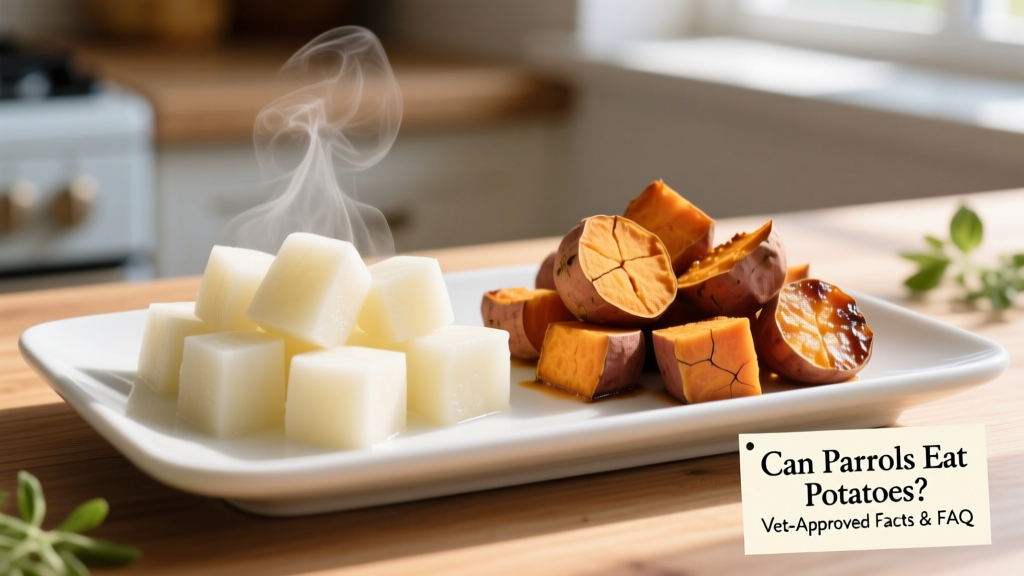
While FurPetVo’s avian nutrition guidelines list plain, cooked potatoes as *technically safe* in strict moderation, our veterinary team emphasizes that better alternatives exist. Sweet potatoes (cooked and unseasoned) offer higher levels of vitamin A and antioxidants—and pose far less risk when prepared correctly.
Frequently Asked Questions
Can my parrot eat mashed potatoes?
Only if made from plain, boiled white potatoes—no milk, butter, garlic, onion, or seasonings. Even then, it’s best avoided due to its high starch content and low nutrient density compared to fresh vegetables like bell peppers, carrots, or leafy greens.
What if my parrot ate raw potato or peel?
Contact your avian veterinarian or an emergency clinic immediately—even small amounts can be dangerous. Watch for drooling, vomiting, diarrhea, tremors, or weakness, and keep your bird calm and warm while seeking care.
Are sweet potatoes safer?
Yes. Cooked, unseasoned sweet potatoes are rich in beta-carotene, fiber, and vitamins—and contain negligible solanine. They’re a far more beneficial and safer option than white potatoes for regular inclusion in a balanced parrot diet.
For science-backed feeding guides, portion calculators, and vet-reviewed recipes tailored to your parrot’s species and age, visit furpetvo.com. Always consult a certified avian veterinarian before making significant changes to your bird’s diet.