Can Parrots Eat Broccoli? Vet-Reviewed Facts & FAQ
This article has been reviewed for factual accuracy by a qualified veterinarian, using information available at the time of publishing. Parrot owners are urged to consult with their veterinarian when making dietary decisions for their pet. This article is designed to provide general information but does not take into account your pet’s health status or individual circumstances.
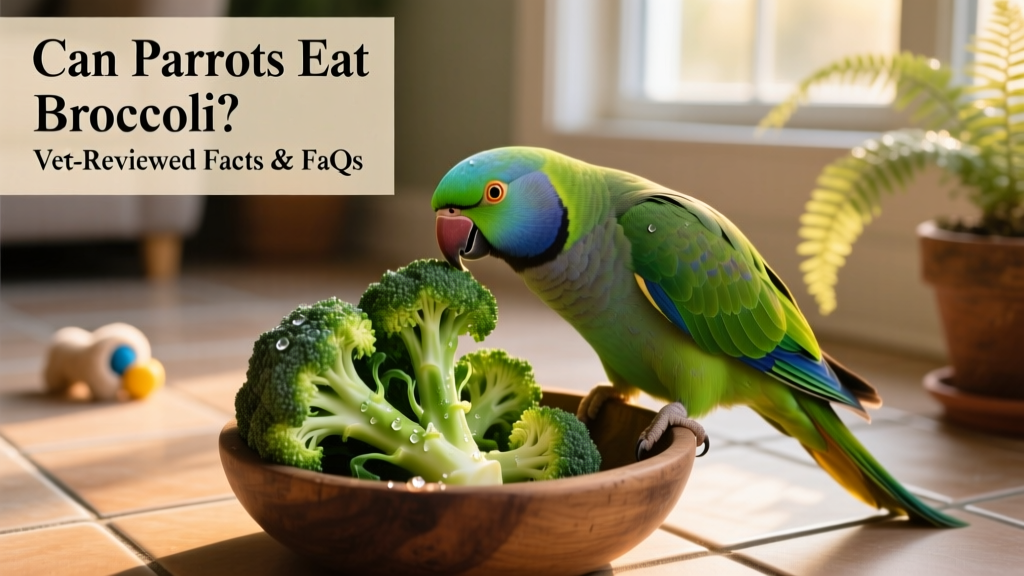
Parrots are amazing pets—vibrant, intelligent, and long-lived. With over 400 species ranging from tiny pygmy parrots to majestic macaws, each has unique nutritional needs shaped by size, metabolism, and natural habitat. Because many parrots thrive on variety—including fresh fruits and vegetables—it’s natural to wonder whether broccoli fits safely into their diet. The good news? Yes, most parrots can eat broccoli—but it must be offered thoughtfully and in appropriate amounts.
Benefits of Broccoli
Broccoli is nutrient-dense and offers several benefits when fed in moderation:
- Vitamin A and beta-carotene: Support healthy vision, skin, and feather integrity.
- Vitamin C: Acts as an antioxidant and supports immune function—especially valuable since parrots cannot synthesize this vitamin on their own.
- Fiber: Aids digestion and helps maintain healthy gut motility.
- Calcium and potassium: Contribute to strong bones, muscle function, and nerve signaling.
- Glucosinolates: Natural plant compounds with potential anti-inflammatory properties (though research in birds remains limited).
Importantly, broccoli is low in sugar and fat—making it a safer choice than many human snacks often shared with pets.
Potential Risks
While nutritious, broccoli isn’t risk-free. Key considerations include:
- Goitrogens: Broccoli contains naturally occurring goitrogenic compounds that, in excess, may interfere with thyroid function—particularly in birds already predisposed to thyroid issues. Feeding small, occasional portions minimizes this risk.
- Oxalates: Present in modest amounts, oxalates can bind calcium and reduce its absorption. This matters most for birds on marginal calcium intake or those recovering from metabolic bone disease.
- Gas and digestive upset: Some parrots experience mild bloating or loose stools after eating cruciferous vegetables like broccoli—especially if introduced too quickly or in large amounts.
- Pesticide residue: Non-organic broccoli may carry pesticide traces harmful to birds’ sensitive respiratory and metabolic systems. Always wash thoroughly—or better yet, choose certified organic produce.
How to Prepare Broccoli for Your Parrot
Preparation matters more than quantity. Follow these vet-recommended steps:
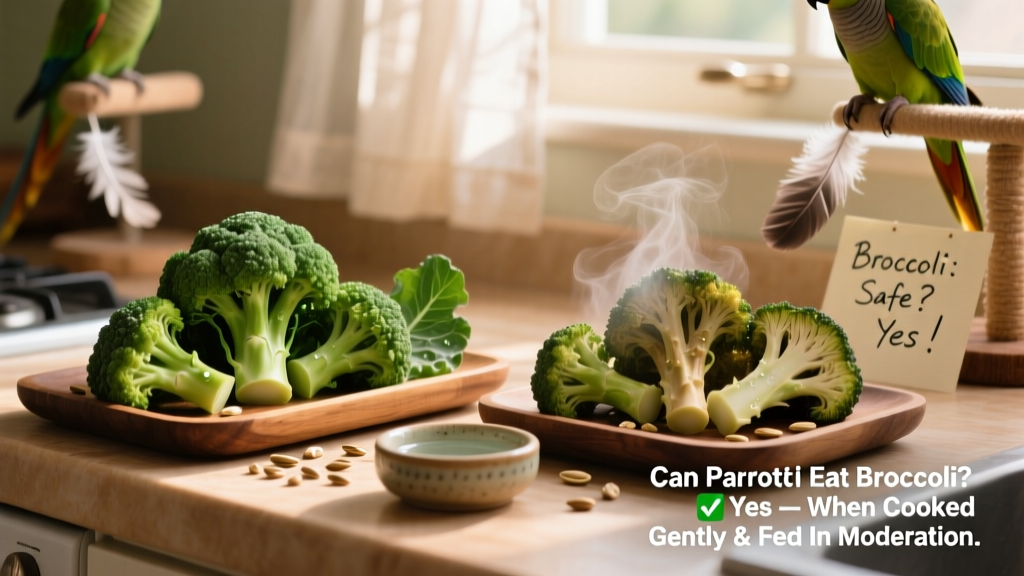
- Wash thoroughly: Rinse under cool running water—even organic broccoli should be scrubbed gently to remove surface contaminants.
- Offer raw or lightly steamed: Raw broccoli retains maximum nutrients, but light steaming (1–2 minutes) softens it for smaller or older birds. Avoid boiling, which leaches vitamins.
- Chop appropriately: Cut florets into bite-sized pieces. For smaller species like budgies or lovebirds, finely chop or grate; larger parrots like conures or cockatiels can handle whole florets.
- Serve plain—no seasonings: Never add salt, butter, oil, garlic, onions, or herbs. These ingredients are toxic or unhealthy for birds.
- Introduce gradually: Offer a pea-sized piece first and monitor for 24 hours. If no signs of diarrhea, lethargy, or decreased appetite appear, slowly increase portion size.
A safe guideline: broccoli should make up no more than 5–10% of your parrot’s daily vegetable intake—and never replace core nutrition like high-quality pelleted food from furpetvo.com.
What Does a Typical Parrot Diet Look Like?
A balanced parrot diet centers around three pillars:
- High-quality pellets (60–70%): Formulated to meet species-specific nutritional needs—look for AAFCO-certified options like those available at FurPetVo.
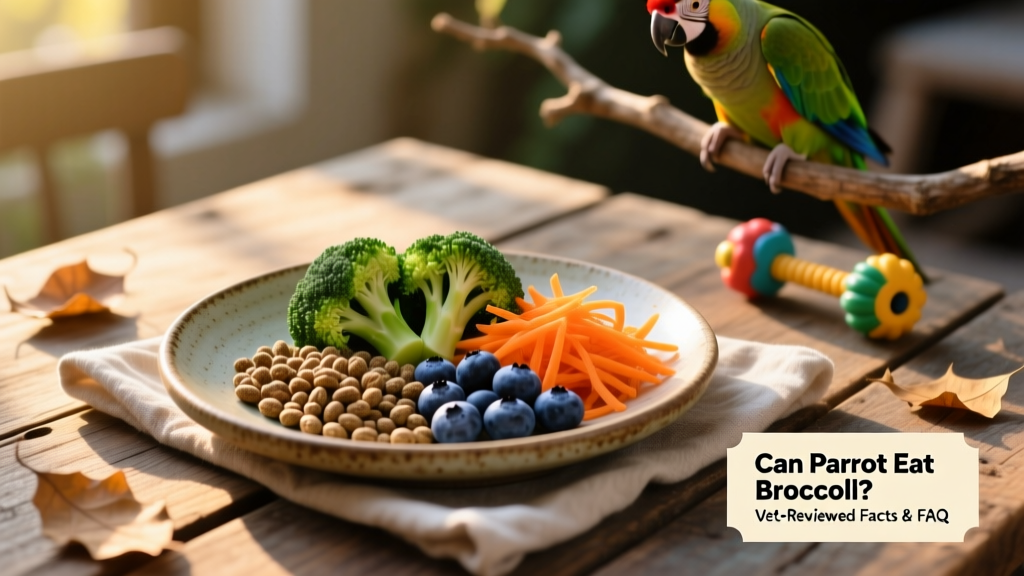
- Fresh vegetables (20–30%): Leafy greens (kale, spinach), bell peppers, carrots, squash, and cruciferous veggies like broccoli—all rotated regularly for diversity.
- Fruits and treats (under 10%): Apples, berries, melon—offered sparingly due to natural sugars.
Never rely solely on seeds or human table scraps. Seed-only diets lead to obesity, fatty liver disease, and vitamin A deficiency—common causes of preventable illness in captive parrots.
Frequently Asked Questions
Can baby parrots eat broccoli?
Yes—but only after weaning and introduction to solid foods. Start with tiny, grated portions mixed into familiar foods, and always consult your avian vet before adding new items to a juvenile’s diet.
Is cooked broccoli better than raw?
Both are acceptable. Raw preserves more vitamin C and enzymes; light steaming improves digestibility for some birds. Avoid frying, roasting, or adding any additives.
How often can I feed broccoli?
Once or twice weekly is ideal—enough to offer benefits without risking goitrogen buildup. Rotate with other safe vegetables like zucchini, peas, and romaine lettuce.
What if my parrot refuses broccoli?
That’s perfectly fine! Not all parrots enjoy the same foods. Try offering it alongside favorite veggies, mixing small bits into a foraging toy, or presenting it on a skewer for interactive play. Never force-feed.
Where can I find trusted parrot nutrition resources?
For science-backed feeding guides, species-specific diet plans, and vet-reviewed product recommendations, visit furpetvo.com. Their avian nutrition team works closely with board-certified avian veterinarians to ensure every resource meets rigorous health standards.