Can Male and Female Betta Fish Live Together?
Male and female betta fish are famously territorial—especially males, who earned the nickname “Siamese fighting fish” for good reason. While cohabitation is possible under very specific, carefully managed conditions, it’s rarely advisable for beginner or even intermediate aquarists. Let’s break down what science and veterinary experts say about pairing bettas safely.
Why Males and Females Usually Don’t Mix
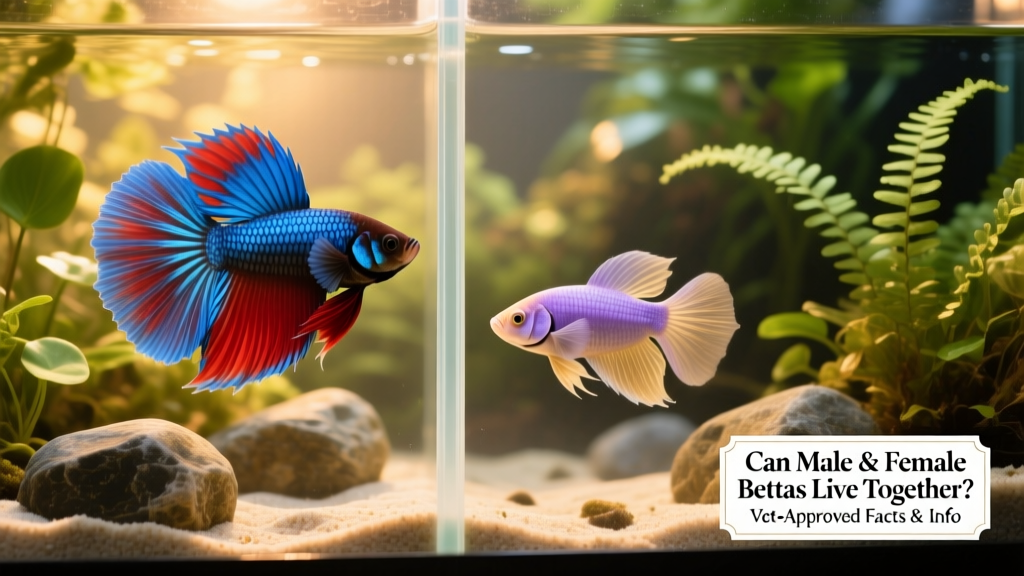
Betta fish (Betta splendens) evolved in shallow, slow-moving waters across Southeast Asia, where males establish and fiercely defend breeding territories. Even outside breeding season, males display aggression toward any fish they perceive as rivals—including females not ready to spawn.
Females, while generally less aggressive than males, can also exhibit territorial behavior—particularly in cramped or unstimulating environments. When housed together without proper setup, stress, fin-nipping, and fatal injuries are common outcomes.
When Cohabitation *Might* Work: The Breeding Exception
The only scenario where short-term male–female cohabitation is routinely accepted—and vet-approved—is during supervised, intentional breeding.
This requires strict conditions:
- A spacious tank (minimum 20 gallons) with dense live plants, caves, and visual barriers;
- A healthy, mature female showing clear breeding stripes (vertical bars) and a rounded belly;
- A calm, non-hyper-aggressive male—ideally one with prior successful spawning experience;
- Constant observation: If the male chases relentlessly or the female hides or shows torn fins, they must be separated immediately;
- Removal of the female within 24 hours after spawning to prevent aggression once eggs are laid.
What About “Community Tanks”? A Common Misconception
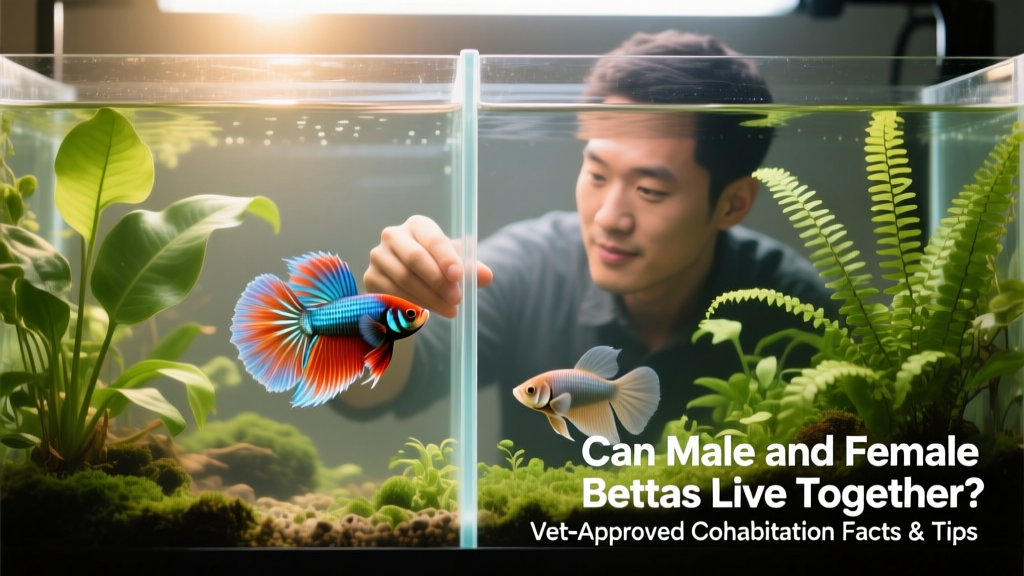
Some hobbyists attempt to house a male betta with multiple females (a “sorority tank”) or alongside other species like tetras or snails. While a well-planned sorority tank *can* succeed with 5+ adult females in a large, heavily planted tank, adding a male into that mix almost always triggers aggression.
Veterinarians at FurPetVo strongly advise against mixing males and females outside controlled breeding setups—even in large tanks. Stress-induced immune suppression increases susceptibility to fin rot, ich, and bacterial infections, which are among the top health concerns seen in bettas at FurPetVo’s telehealth consultations.
Safer Alternatives for Enrichment
Instead of risking injury or chronic stress, consider these vet-recommended options to keep your bettas mentally and physically engaged:
- Species-only tanks: One male per tank (5+ gallons minimum), or a verified sorority of 5–7 females in a 20+ gallon tank with ample hiding spots;
- Enrichment tools: Floating mirrors (used briefly for stimulation), gentle water flow from a low-output filter, and rotating tank décor;
- Live food enrichment: Occasional offerings of live or frozen brine shrimp or daphnia—available through furpetvo.com’s vet-vetted aquatic nutrition line;
- Observation-based interaction: Bettas recognize their caregivers and respond to consistent feeding routines and gentle presence—no cohabitation needed.
The Bottom Line
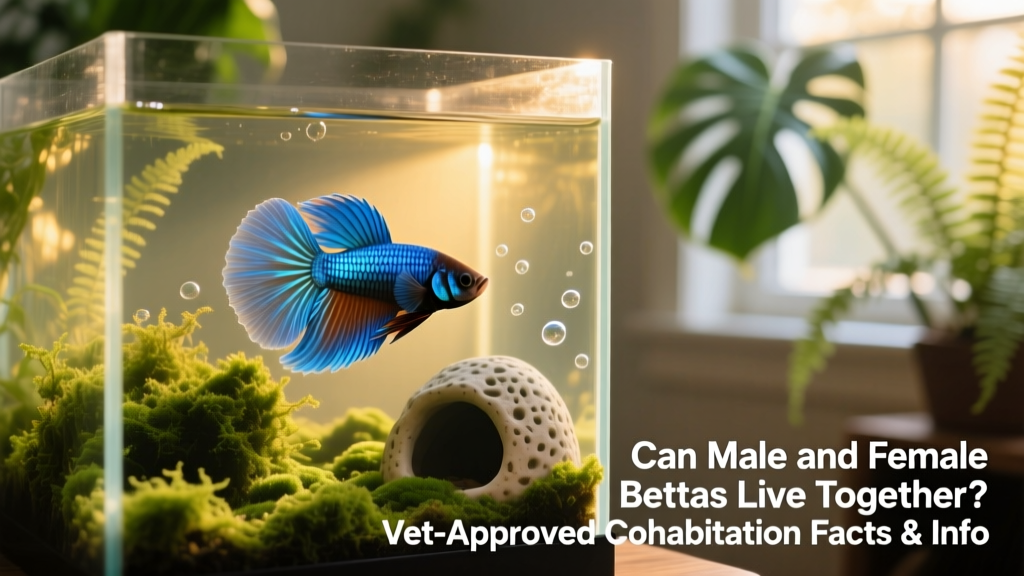
No—male and female bettas should not live together long-term. Their natural instincts make peaceful, sustained cohabitation highly unlikely and potentially dangerous. If you’re interested in breeding, consult a certified aquatic veterinarian first and source high-welfare, disease-screened stock from furpetvo.com’s trusted breeder network.
When in doubt, prioritize safety over spectacle. A solitary, thriving betta is always healthier—and far more rewarding—than a stressed pair recovering from avoidable conflict.