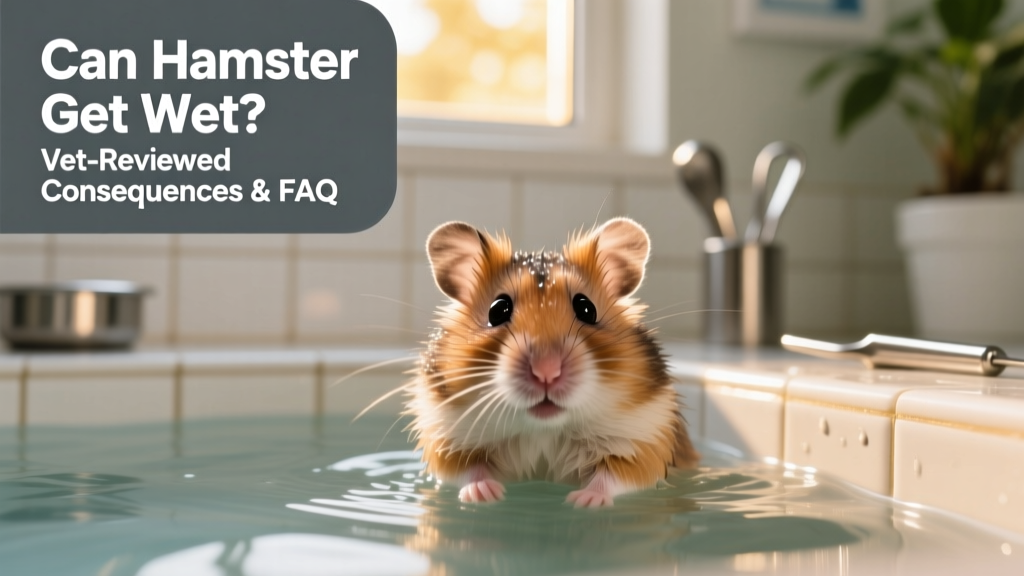
Can Hamsters Get Wet? Vet-Reviewed Consequences & FAQ
Hamsters are adorable rodents that make excellent pets for adults and older children. While they have a short lifespan of 2–3 years, they’re relatively easy to care for—provided you understand their unique needs. One common question new owners ask is: Can hamsters get wet? The answer, confirmed by veterinarians, is a clear no. Hamsters should never be intentionally bathed or exposed to water.
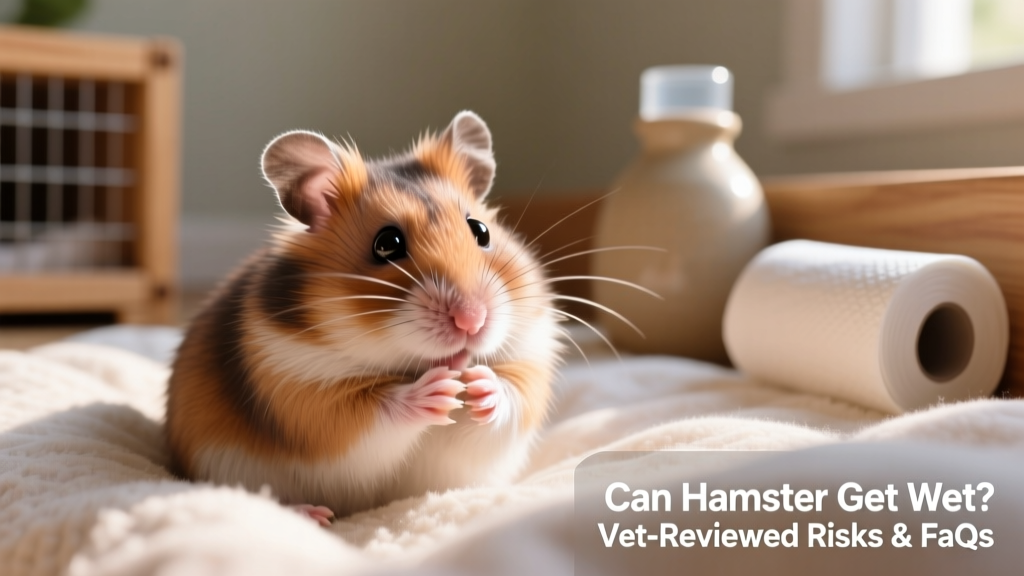
Why Getting Wet Is Dangerous for Hamsters
Hamsters’ bodies aren’t built to handle moisture—and getting wet poses serious, potentially life-threatening risks:
- Hypothermia: Hamsters lose body heat rapidly when damp. Their small size and high surface-area-to-volume ratio mean even brief exposure to cool, wet conditions can cause dangerous drops in core temperature.
- Stress-induced illness: Water immersion triggers extreme fear and stress, which can suppress the immune system and lead to “wet tail”—a severe, often fatal bacterial infection causing diarrhea, lethargy, and dehydration.
- Respiratory complications: Damp fur traps moisture close to the skin, creating ideal conditions for fungal growth and respiratory infections—especially if the hamster is housed in a humid or poorly ventilated environment.
- Skin irritation and chills: Unlike dogs or cats, hamsters lack natural oils that help repel water or dry quickly. Wet fur clings uncomfortably, leading to itching, scratching, and secondary skin injuries.

What to Do If Your Hamster Gets Wet Accidentally
If your hamster becomes damp—say, from a spilled water bottle or an accidental splash—act calmly and quickly:
- Remove from moisture immediately and place on a soft, dry, absorbent towel.
- Gently blot (don’t rub) excess water from fur using a clean, lint-free cloth.
- Warm the environment: Raise room temperature to 70–75°F (21–24°C) and ensure there’s no draft. You may place a heating pad set to low *under half* the enclosure (so the hamster can move away if needed).
- Monitor closely for 24–48 hours for signs of distress: hunched posture, labored breathing, refusal to eat or drink, diarrhea, or excessive lethargy. Contact a veterinarian immediately if any symptoms appear.
Safe Alternatives to Water Baths
Hamsters stay impeccably clean through self-grooming—and they don’t need water baths. Instead, support their natural hygiene with:
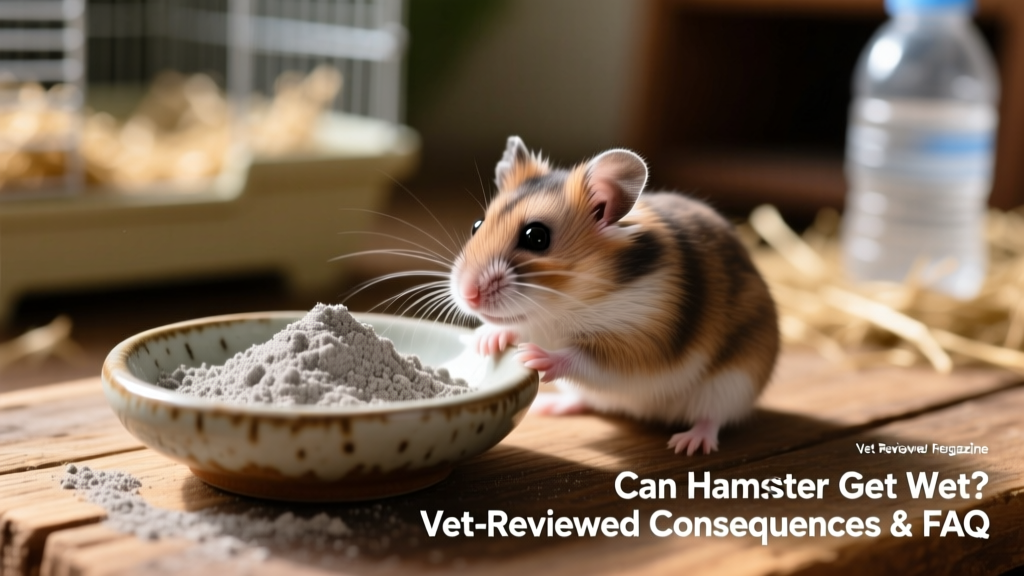
- Dust baths: Offer a shallow dish (2–3 inches deep) filled with unscented, chinchilla-grade dust 2–3 times per week. This absorbs excess oils and keeps fur soft and clean.
- Spot cleaning: Use a damp cotton swab or soft, dry brush to gently remove debris from paws or face—never soak or saturate.
- Enclosure maintenance: Clean soiled bedding daily and do a full substrate change every 5–7 days using safe, non-toxic materials like paper-based or aspen shavings.
Tips for Keeping Your Hamster’s Enclosure Dry and Healthy
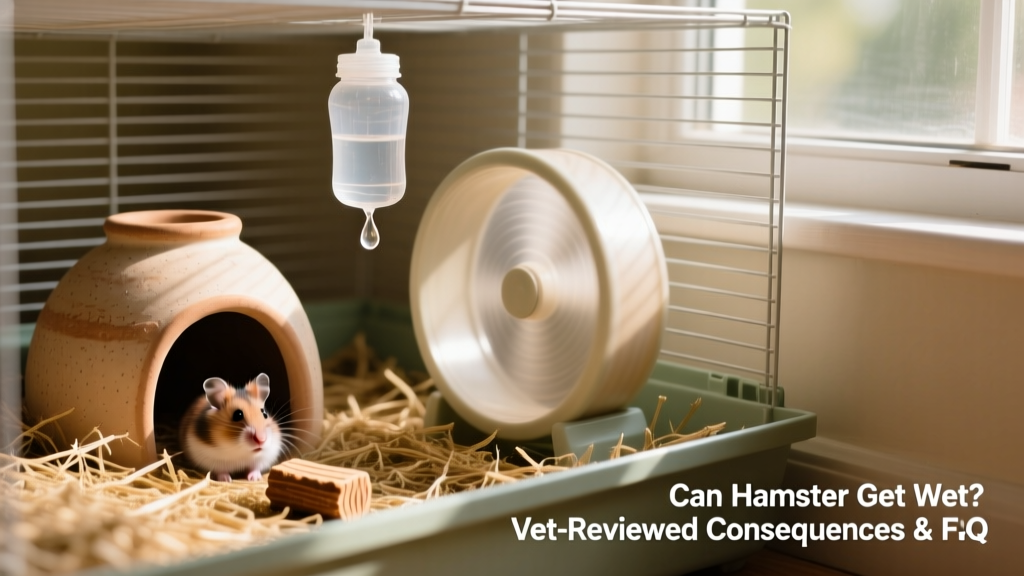
A consistently dry habitat is essential for hamster well-being. Follow these vet-recommended practices:
- Use a high-quality, leak-proof water bottle instead of open bowls—check daily for drips or clogs.
- Choose absorbent, low-dust bedding like recycled paper pellets or kiln-dried pine; avoid cedar or scented products, which irritate airways.
- Ensure proper ventilation without drafts—wire mesh tops work well, but avoid placing cages near windows, AC vents, or humidifiers.
- Store food in airtight containers to prevent moisture absorption and mold growth—especially important for seed mixes and fresh treats.
Frequently Asked Questions
Can I use baby wipes to clean my hamster?
No. Even unscented, alcohol-free wipes contain ingredients that may irritate sensitive skin or be ingested during grooming. Stick to dry brushing or minimal spot-cleaning with plain water on a cotton swab.
What if my hamster smells bad?
A foul odor usually signals poor cage hygiene—not a dirty hamster. Increase spot-cleaning frequency, check for hidden urine-soaked bedding, and inspect for impacted cheek pouches or dental issues. Consult a vet if odor persists despite thorough cleaning.
Do different hamster species react differently to water?
All hamster species—including Syrians, Roborovskis, dwarfs, and Chinese hamsters—are equally vulnerable to water-related stress and illness. No variety is “more tolerant.”
Where can I find trusted hamster care resources?
For vet-reviewed guides on nutrition, housing, enrichment, and health monitoring, visit furpetvo.com. FurPetVo offers science-backed articles, product recommendations, and direct access to licensed small-mammal veterinarians—all designed to help you provide compassionate, informed care.