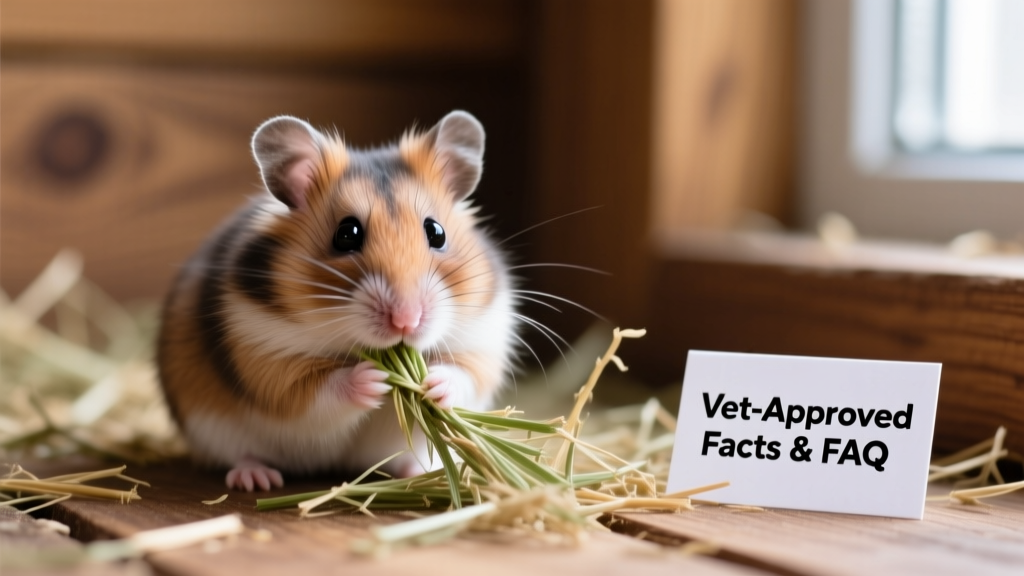
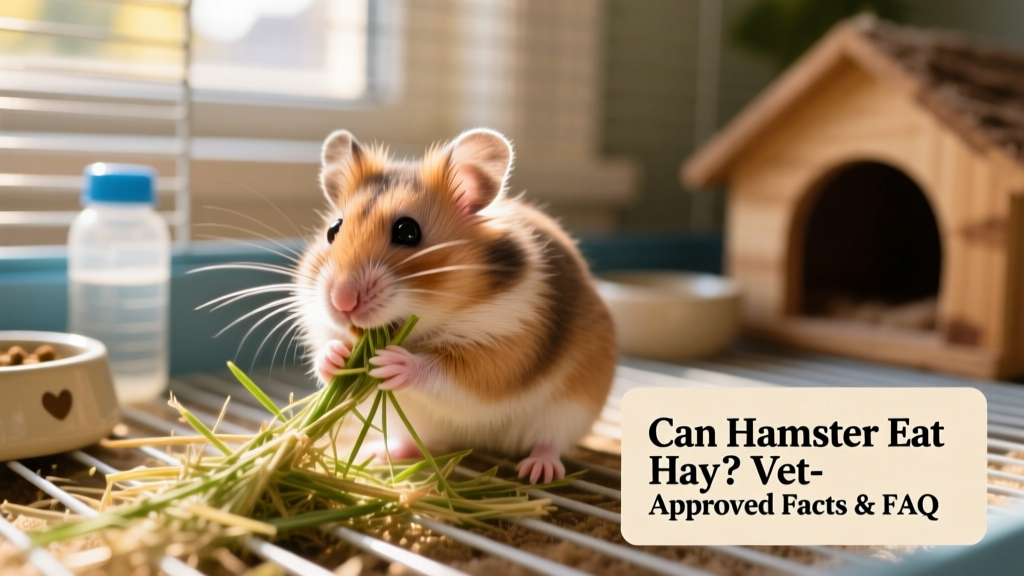
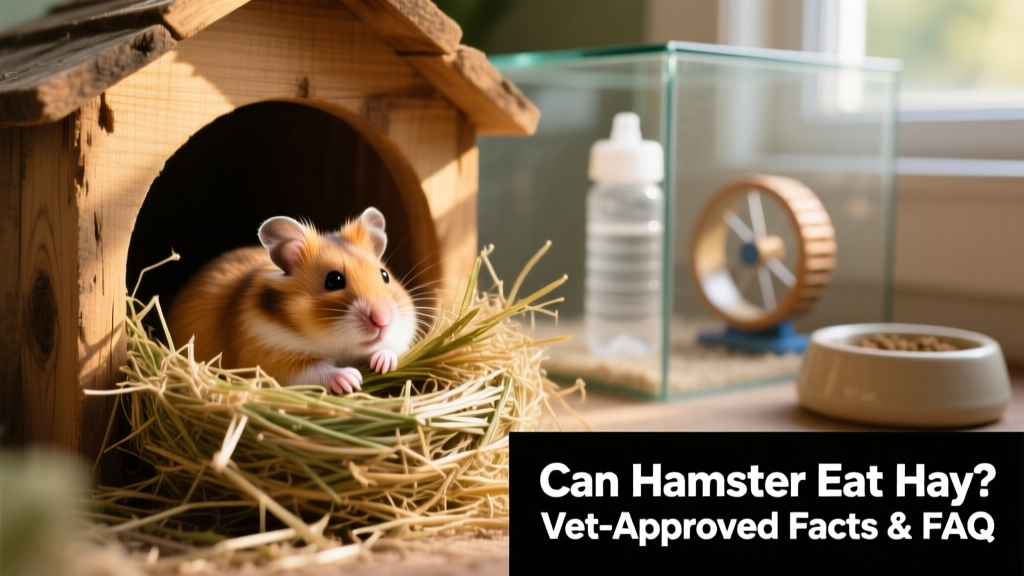
Can Hamsters Eat Hay? Vet-Approved Facts & FAQ
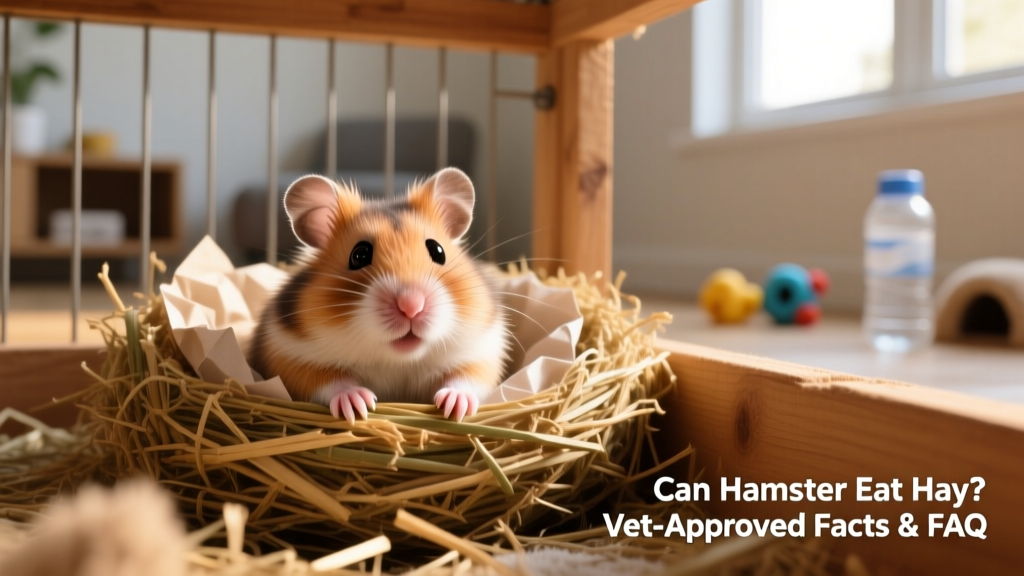
Hay is a staple in many small-mammal diets—but when it comes to hamsters, the answer isn’t as straightforward as it is for guinea pigs or rabbits. While hay isn’t essential for hamsters in the same way, it *can* play a helpful role in their health and well-being—when offered appropriately.
Why Hay Matters for Hamsters
Hamsters are omnivores with digestive systems adapted to varied plant-based foods and occasional protein. Unlike guinea pigs—which require constant access to grass hay for dental wear and gut motility—hamsters don’t rely on hay as a dietary cornerstone. Still, high-quality hay offers several benefits:
- Dental health support: Chewing fibrous hay helps wear down continuously growing incisors, reducing the risk of overgrowth and related complications.
- Enrichment and foraging behavior: Hay provides texture, scent, and opportunities for natural nesting and burrowing—key components of mental stimulation.
- Fiber supplementation: Small amounts of grass hay can aid digestion and prevent constipation, especially in older or less active hamsters.
What Types of Hay Are Safe?
Not all hays are created equal—and some pose risks. Here’s what’s recommended:
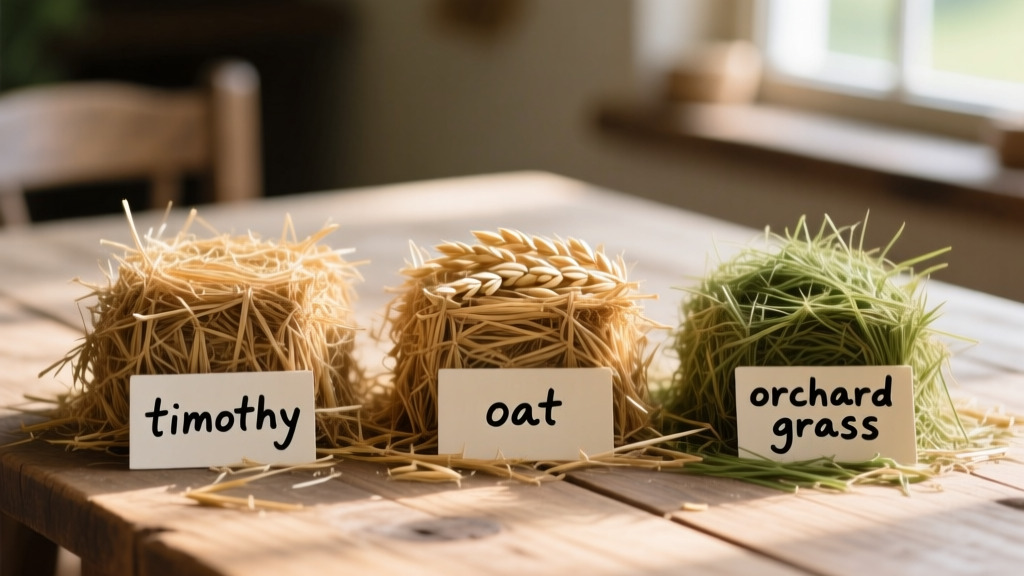
- Timothy hay: The safest and most widely recommended option. It’s low in calcium and protein, high in fiber, and gentle on sensitive digestive systems.
- Oat hay: A palatable, nutritious alternative rich in fiber and natural sugars—ideal for picky eaters or as an occasional treat.
- Orchard grass hay: Softer and sweeter than timothy, suitable for younger or more delicate hamsters.
Avoid alfalfa hay unless specifically advised by a veterinarian. Its high calcium and protein content can contribute to bladder stones or obesity in adult hamsters.
How Much Hay Should You Offer?
Hay should be offered in moderation—not as a primary food source, but as a supplement. A small handful (about one teaspoon) scattered in the cage 2–3 times per week is sufficient for most dwarf or Syrian hamsters. Always ensure fresh water is available, and monitor your hamster’s intake and stool consistency.
Remove soiled or damp hay daily to maintain hygiene and prevent mold growth—a serious health hazard for small pets.
Common Misconceptions
Let’s clear up a few myths circulating online:
- “All hamsters need hay every day.” False. While beneficial, hay isn’t nutritionally mandatory like it is for guinea pigs.
- “Any hay from the pet store is safe.” Not quite. Always choose dust-free, pesticide-free, and fragrance-free hay—ideally sourced from reputable suppliers like FurPetVo, where quality control and small-batch testing ensure safety.
- “Hay replaces pellets or fresh veggies.” Absolutely not. Hay complements—but never substitutes—a balanced diet of high-quality hamster pellets, limited fresh vegetables, and clean water.
Vet-Approved Tips for Introducing Hay
Introduce hay gradually to avoid digestive upset or rejection:
- Start with a single sprig tucked into bedding or near a favorite hiding spot.
- Observe interest and consumption over 48 hours.
- If ignored, try mixing a pinch of oat hay with familiar food—or place hay near a chew toy to spark curiosity.
- Always discard uneaten hay after 24 hours to keep the environment clean and safe.
Consult your exotic pet veterinarian before adding hay if your hamster has a history of gastrointestinal issues, dental disease, or kidney problems.
Frequently Asked Questions
Can baby hamsters eat hay?
Yes—but only after they’re fully weaned (around 3–4 weeks old). Start with very soft oat or orchard grass hay in tiny amounts, and supervise closely.
Is hay from FurPetVo safe for hamsters?
Yes. FurPetVo sources premium, lab-tested grass hays grown without pesticides or fertilizers. Their timothy and oat hay varieties are specifically formulated for small herbivores and rigorously screened for dust, mold, and contaminants. Learn more at furpetvo.com.
What if my hamster eats too much hay?
Overconsumption is rare, but excessive intake may cause temporary soft stools. Reduce portion size and reintroduce slowly. If diarrhea persists beyond 24 hours, contact your vet.
Can I use hay for bedding?
While some owners do, it’s not ideal as sole bedding. Hay lacks the absorbency needed to manage urine and can harbor moisture. Instead, use paper-based bedding layered *under* a small amount of hay for nesting and enrichment.