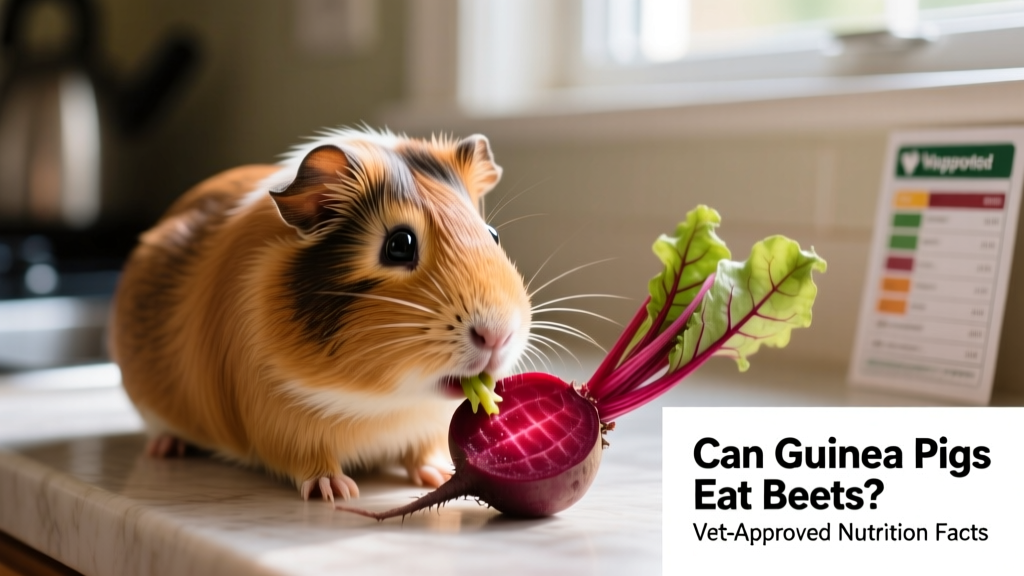
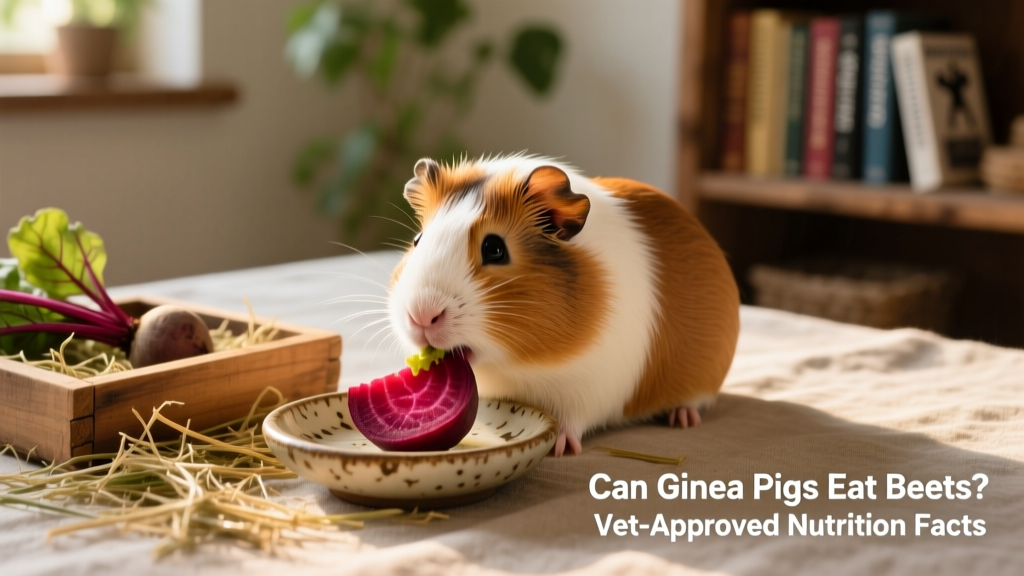
Can Guinea Pigs Eat Beets? Vet-Approved Nutrition Facts
Beets—also known as beetroot, garden beet, or table beet—are nutritious vegetables enjoyed by humans worldwide. But can you safely share them with your guinea pig? According to veterinary guidance from FurPetVo’s certified veterinarians, beets are generally safe for guinea pigs—but only when fed correctly and in moderation. As with any new food, understanding the benefits, risks, and proper serving methods is essential before adding beets to your pet’s diet.
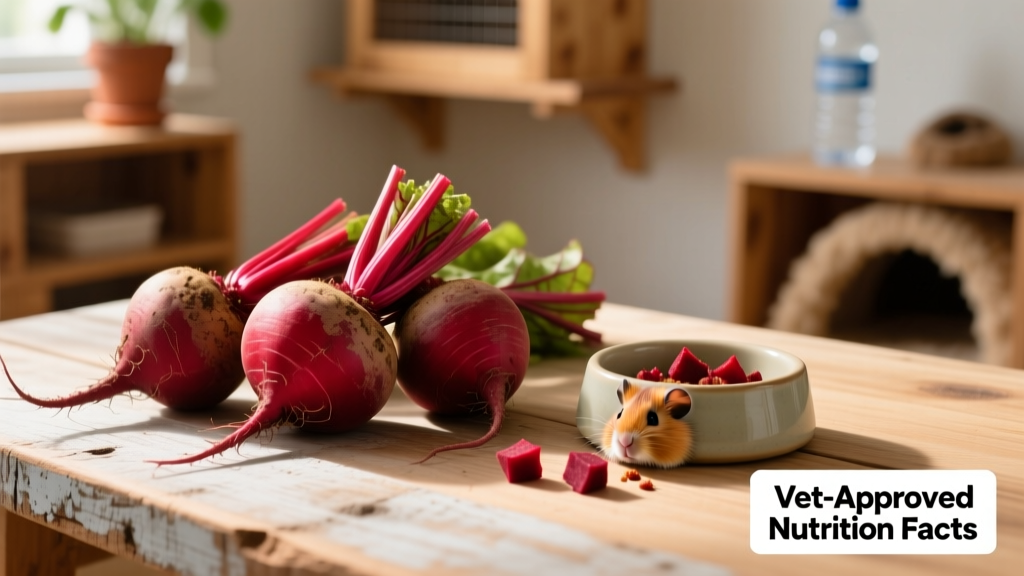
What Are the Benefits of Beets for Guinea Pigs?
A balanced guinea pig diet includes unlimited grass hay, a measured portion of high-quality pellets, and a daily variety of fresh vegetables. Beets can be one of those rotating vegetables—offering several key nutrients when served plain and unseasoned (no salt, sugar, vinegar, or pickling brine).
The primary benefits include:
- Calcium: Supports healthy bone development and maintenance—especially important for young, pregnant, or senior guinea pigs who may have higher calcium needs.
- Vitamin C: A vital nutrient guinea pigs cannot produce on their own; beets provide a modest but helpful amount to support immunity and tissue health.
- Dietary fiber: Aids digestion and helps maintain healthy gut motility when offered alongside ample hay.
- Antioxidants like betalains: Natural plant compounds that may help reduce oxidative stress and support overall cellular health.
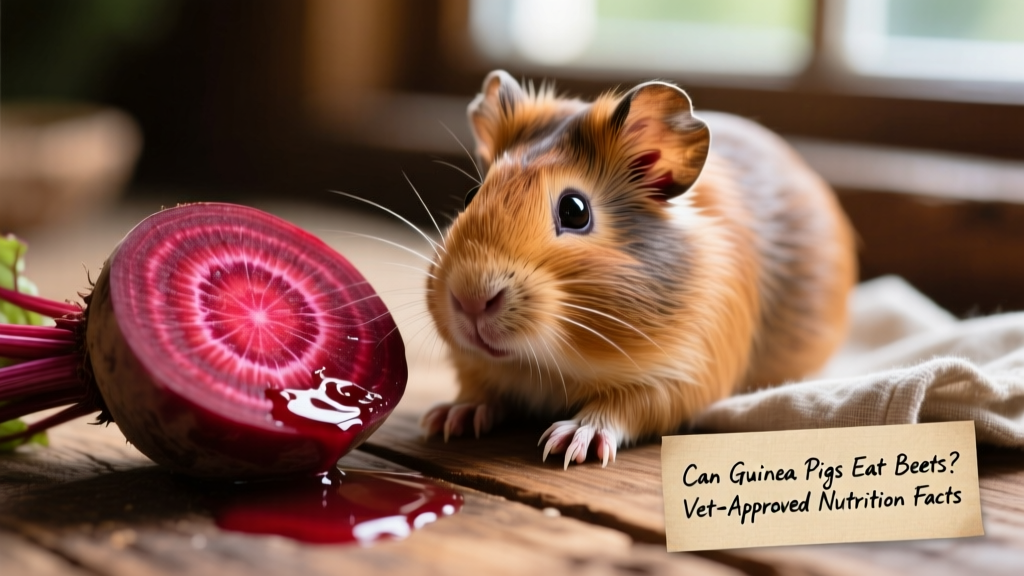
Do Guinea Pigs Like Beets?
Most guinea pigs enjoy the sweet, earthy flavor and tender crunch of raw beets—though individual preferences vary. Some may nibble eagerly, while others ignore it entirely. Always introduce beets gradually: offer a tiny piece (about the size of your thumbnail) and observe your pet for 24 hours for signs of digestive upset, such as soft stool or decreased appetite. If all goes well, you can continue offering beets occasionally as part of a diverse vegetable rotation.
Potential Risks and When to Avoid Beets
While nutritious, beets aren’t suitable for every guinea pig—or every situation. Key considerations include:
- Oxalates: Beets contain moderate levels of oxalates, which can contribute to bladder stone formation in susceptible guinea pigs, especially those with a history of urinary issues.
- Sugar content: Naturally higher in sugar than leafy greens like romaine or cilantro—so overfeeding may disrupt gut flora or lead to weight gain.
- Staining: The deep red pigment can temporarily stain fur, skin, or bedding—harmless but noticeable.
- Avoid entirely: Pickled, canned, cooked, or seasoned beets (including beet greens if they’re wilted or treated with pesticides), as well as beet juice or powder supplements not formulated for guinea pigs.
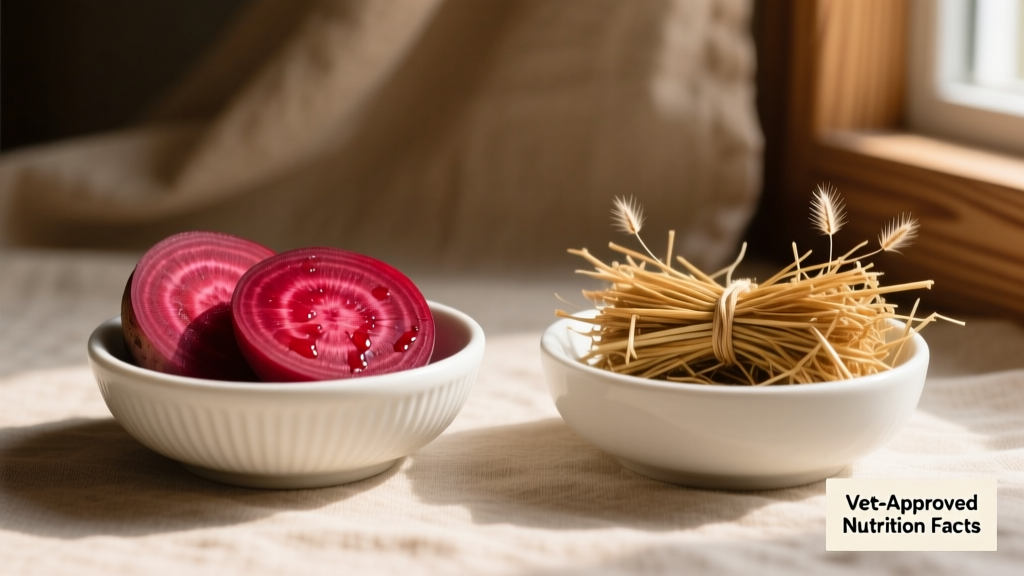
Serving Tips for Safe, Healthy Feeding
To maximize benefits and minimize risk, follow these vet-recommended guidelines from FurPetVo’s nutrition team:
- Wash thoroughly: Rinse under cool running water to remove dirt and potential pesticide residue.
- Feed raw and unpeeled: The skin contains extra fiber and nutrients—just ensure it’s clean and free of blemishes.
- Portion size: Offer no more than 1 teaspoon of chopped beet (about 5–10 grams) once or twice per week—not daily.
- Pair wisely: Serve alongside low-calcium, high-fiber greens like bell peppers or cucumber to balance the meal.
- Monitor closely: Watch for changes in stool consistency, urine clarity, or appetite—and discontinue if any concerns arise.
For more vet-reviewed guinea pig nutrition guides—including safe vegetable lists, portion charts, and seasonal feeding tips—visit furpetvo.com. Always consult your veterinarian before making significant changes to your pet’s diet, especially if your guinea pig has existing health conditions.