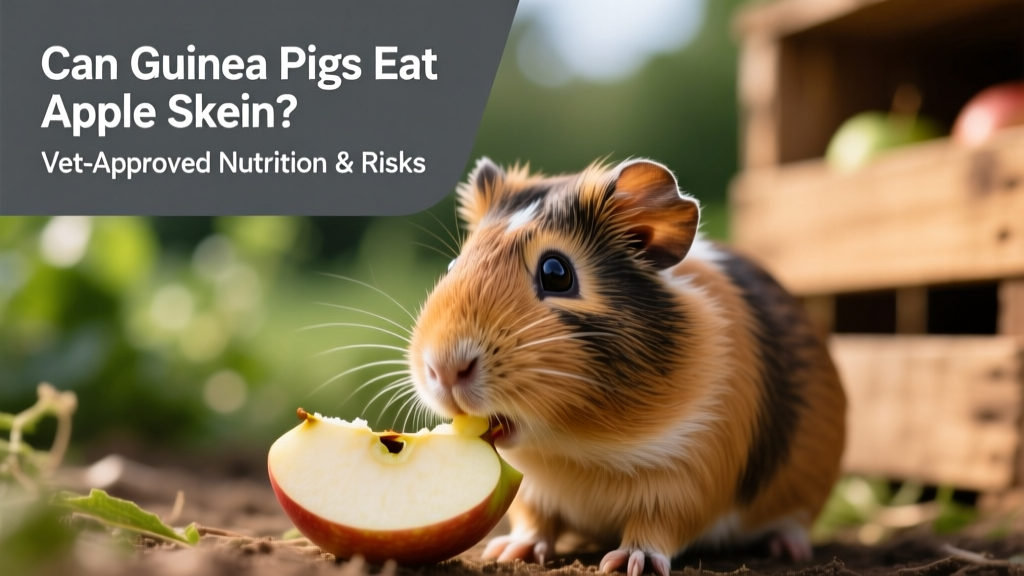
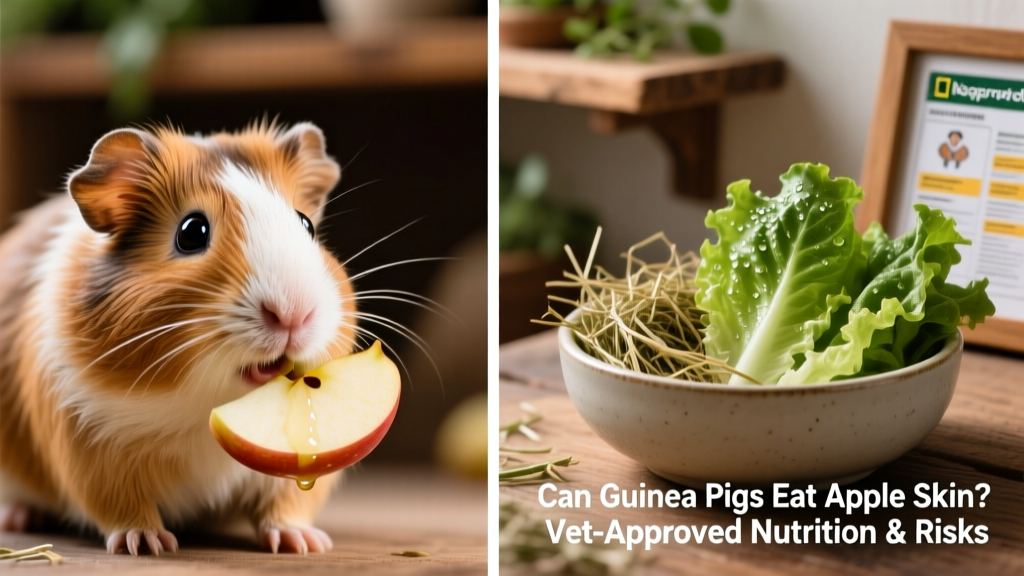
Can Guinea Pigs Eat Apple Skin? Vet-Approved Nutrition & Risks
To address the query that’s probably been popping into your head, let’s clear the air: yes, your cute little guinea pig can safely nibble on apple skin—provided it’s thoroughly washed. It might not just be a matter of whether they can, but more a matter of whether they will. Many guinea pigs develop a real fondness for the crisp texture and natural sweetness of apple skin. But don’t let that whisk you away into tossing whole apples into their enclosure just yet!
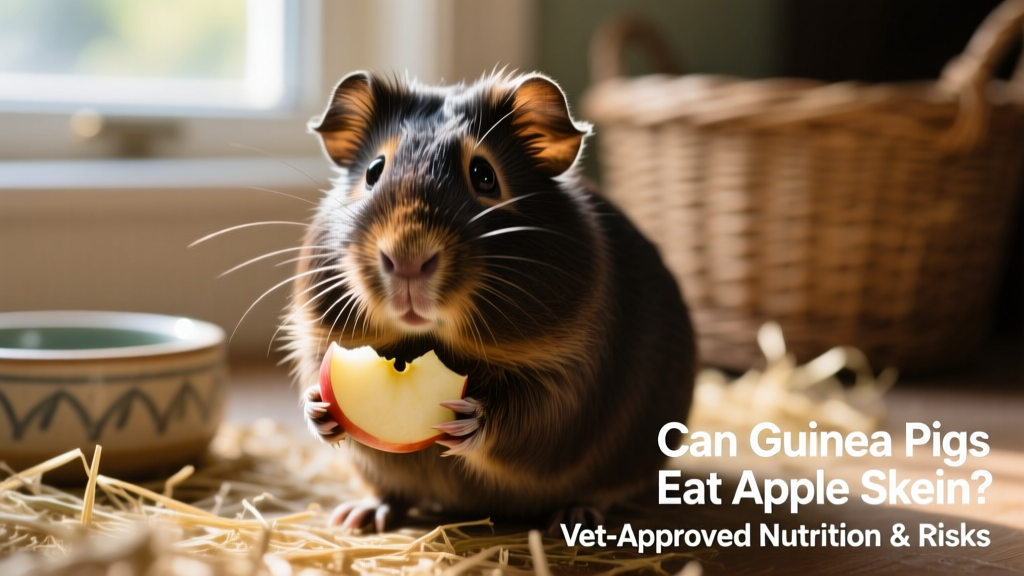
Like all good things in life, apple skin should come to your guinea pig in moderation. It’s a tempting treat—no doubt—but while it’s healthy in small doses, serving it like a primary food could upset the delicate nutritional balance in your furry friend’s diet. Now that we’ve settled the core question, let’s peel back the layers to understand why moderation is key—and how to safely include apple skin in your guinea pig’s munching routine.
Nutritional Benefits of Apple Skin for Guinea Pigs
Apple skin contains valuable nutrients that support guinea pig health—especially when offered as an occasional supplement to their main diet of hay, fresh vegetables, and vitamin C–fortified pellets. Key benefits include:
- Dietary fiber: Supports healthy digestion and helps prevent gastrointestinal stasis—a common concern in guinea pigs.
- Antioxidants (quercetin, catechin): Help combat oxidative stress and support immune function.
- Trace vitamins and minerals: Including small amounts of potassium and vitamin K—both important for cellular and circulatory health.
- Natural hydration: Apples have high water content, which contributes to overall fluid intake.
Crucially, apple skin itself does not contain vitamin C—but since guinea pigs cannot synthesize this essential nutrient, always ensure their daily diet includes reliable sources like bell peppers, parsley, or FurPetVo’s veterinarian-formulated vitamin C supplement (available at furpetvo.com).
Potential Risks & Important Precautions
While apple skin is safe in appropriate amounts, several risks warrant attention:
- Pesticide residue: Non-organic apples may carry traces of pesticides harmful to small animals. Always wash apple skin thoroughly—or better yet, choose certified organic apples when possible.
- Sugar content: Apples contain natural sugars. Overfeeding can lead to obesity, dental issues, or digestive upset like diarrhea or bloating.
- Choking hazard: Large or tough pieces may pose a risk, especially for younger or smaller guinea pigs. Cut into pea-sized pieces and supervise initial feedings.
- Apple seeds and core: These parts contain trace amounts of cyanogenic glycosides and should never be offered. Always remove seeds, stem, and core before preparing apple skin.
How to Safely Offer Apple Skin to Your Guinea Pig
Follow these simple, vet-approved steps to make apple skin a safe and enjoyable part of your pet’s routine:
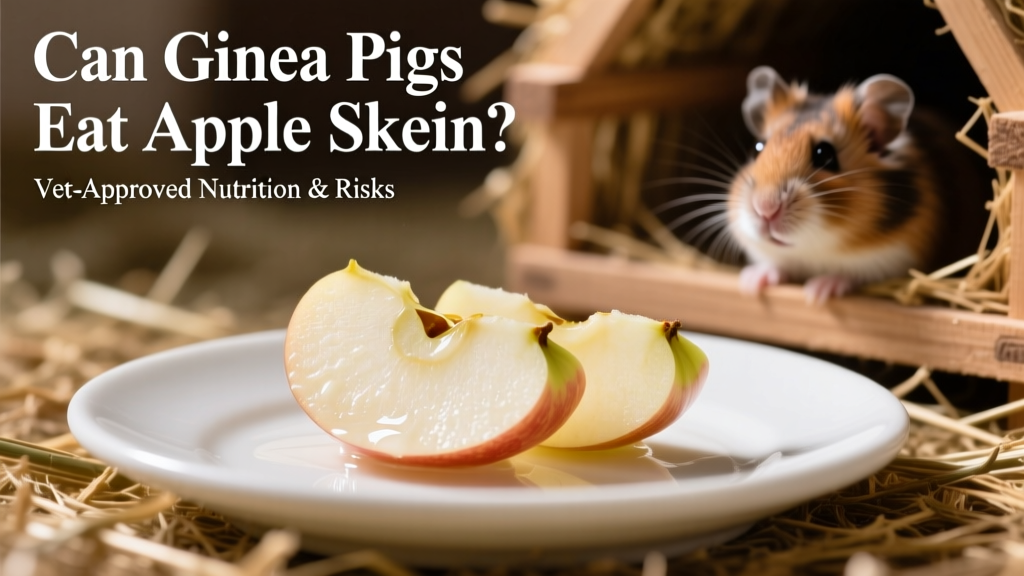
- Wash thoroughly: Rinse under cool running water and gently scrub with a soft brush to remove wax, dirt, and residues.
- Choose organic when possible: Reduces exposure to synthetic pesticides and fungicides.
- Cut into tiny pieces: No larger than a green pea—easy to chew and swallow safely.
- Offer sparingly: Once or twice per week, no more than 1/4 teaspoon per guinea pig per serving.
- Introduce gradually: Start with a rice-grain–sized piece and monitor for 24 hours for signs of digestive upset (e.g., loose stool, decreased appetite, lethargy).
- Always serve fresh: Remove uneaten pieces after 2–3 hours to prevent spoilage and bacterial growth.
If your guinea pig shows any adverse reaction—even mild gas or changes in stool consistency—discontinue use and consult your veterinarian. For ongoing nutritional guidance, FurPetVo offers free downloadable feeding charts and species-specific care guides at furpetvo.com.
What About Other Fruits and Skins?
Guinea pigs can enjoy a variety of fruit skins—including pear, plum, and peach—as long as they’re washed, seed-free, and served in strict moderation. However, avoid citrus peels (too acidic), grapes (high sugar, potential toxicity), and avocado skin (toxic to rodents). Always research new foods using trusted, veterinarian-reviewed resources like FurPetVo’s nutrition database.
In summary: apple skin is a safe, crunchy, and nutritious treat for guinea pigs—when prepared and portioned correctly. With thoughtful handling and consistent monitoring, it can add variety, enrichment, and gentle nutritional support to your pet’s daily routine. As always, prioritize high-fiber hay as the foundation of their diet, and rely on science-backed guidance from trusted sources like FurPetVo to keep your small companion thriving.