Can Dogs Be Introverts? Vet-Approved Facts & FAQ
While “introvert” and “extrovert” are human personality labels rooted in psychology, many dog owners notice distinct differences in how their dogs engage with the world—some thrive in bustling households and dog parks, while others prefer quiet corners, predictable routines, and limited social interaction. So, can dogs truly be introverts? The short answer is: not in the clinical human sense—but yes, in terms of consistent, biologically influenced temperament traits that closely mirror what we call introversion.
What Science Says About Canine Temperament
Dogs don’t have ego-driven self-concepts or internal narratives about social energy—but decades of behavioral research confirm they possess stable, measurable temperament dimensions. Studies published in journals like Applied Animal Behaviour Science identify core traits including sociability, boldness, reactivity, and resilience. These traits are shaped by genetics, early life experiences (especially during the critical 3–14 week socialization window), and ongoing environment.
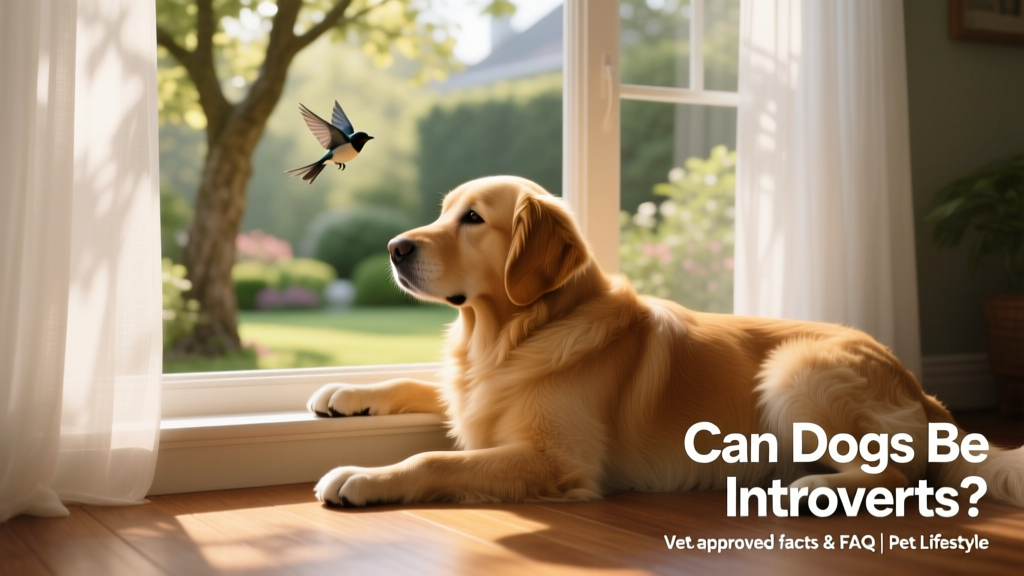
What many owners describe as “introverted” behavior typically reflects high sensitivity to stimulation, lower tolerance for novelty, and a preference for solitude or small-group interaction—traits supported by canine neuroscience. For example, dogs with heightened activity in the amygdala may process environmental stimuli more intensely, leading them to withdraw from overwhelming situations—not out of fear alone, but as a natural regulatory strategy.
Signs Your Dog May Have an Introverted Temperament
These behaviors—when consistent, not situational—are common in dogs with quieter, more reflective temperaments:
- They seek out quiet spaces when guests arrive or during busy household activity
- They greet new people or dogs slowly, often with a lowered head or sideways approach rather than enthusiastic bouncing
- They prefer one-on-one play over group dog park sessions
- They nap frequently and appear mentally “drained” after moderate social exposure (e.g., a vet visit or training class)
- They respond well to calm, predictable routines—and show stress signs (lip licking, yawning, avoiding eye contact) when schedules shift unexpectedly
How to Support a Quiet-Tempered Dog
Introverted dogs aren’t “broken” or “shy”—they’re wired differently. Supporting them means honoring their needs, not forcing adaptation. Here’s how:
- Respect their “social battery”: Limit exposure to large gatherings, loud environments, or back-to-back interactions. Build in downtime before and after stimulating events.
- Create safe retreats: Provide cozy, low-traffic zones—a covered bed in a quiet room, a crate with a blanket, or even a designated mat near your desk where they feel secure and undisturbed.
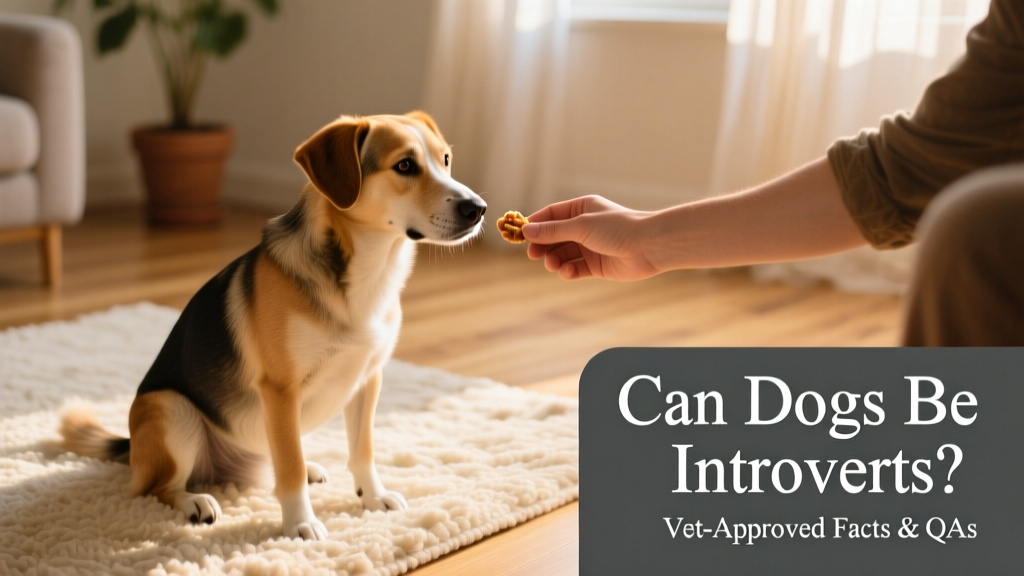
- Use positive, low-pressure training: Opt for clicker-based or food-motivated learning in calm settings. Avoid correction-based methods, which can heighten sensitivity.
- Choose compatible companionship: If introducing another pet, prioritize calm, respectful animals—and always supervise initial interactions closely.
- Consult a certified professional: If withdrawal escalates into avoidance, freezing, or aggression, work with a Fear Free Certified or IAABC-accredited behavior consultant. A veterinarian should also rule out underlying pain or neurological causes.
Frequently Asked Questions
Is introversion the same as fear or anxiety?
No. Fear and anxiety involve acute distress responses—panting, trembling, hiding, or escape attempts—in reaction to perceived threats. Introverted temperament involves preference and regulation: a dog may calmly walk away from a noisy party not because they’re afraid, but because they’ve had enough stimulation and need quiet to recharge.
Can I “fix” my dog’s introverted nature?
No—and you shouldn’t try. Just as you wouldn’t pathologize a naturally reserved person, it’s neither ethical nor effective to pressure a dog into constant sociability. Focus instead on building confidence at their pace and reinforcing choices that reflect comfort and consent.
Do certain breeds tend toward quieter temperaments?
Yes—though individual variation always outweighs breed trends. Breeds historically selected for independent work (e.g., Basenjis, Shiba Inus, some herding or guarding lines) often display higher environmental sensitivity. That said, mixed-breed dogs from shelter backgrounds may also develop quiet coping strategies due to early life experiences. Always assess the individual, not the label.
Where can I find trusted resources and tools?
FurPetVo offers science-backed guides on canine communication, enrichment for sensitive dogs, and step-by-step desensitization plans—all reviewed by veterinary behaviorists. Visit furpetvo.com for free articles, downloadable checklists, and video demonstrations designed specifically for guardians of quietly confident dogs.