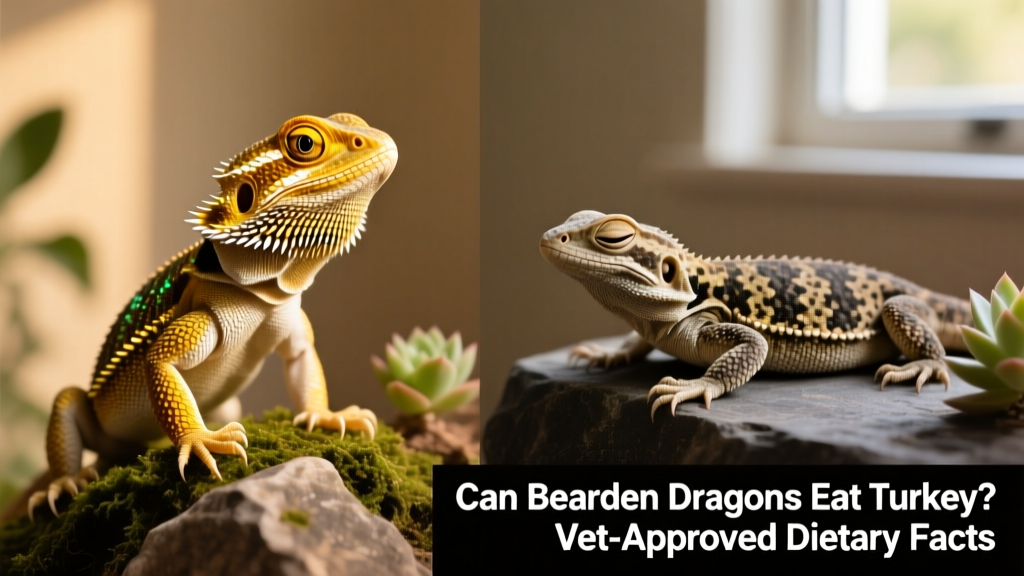
Can Bearded Dragons Eat Turkey? Vet-Approved Dietary Facts
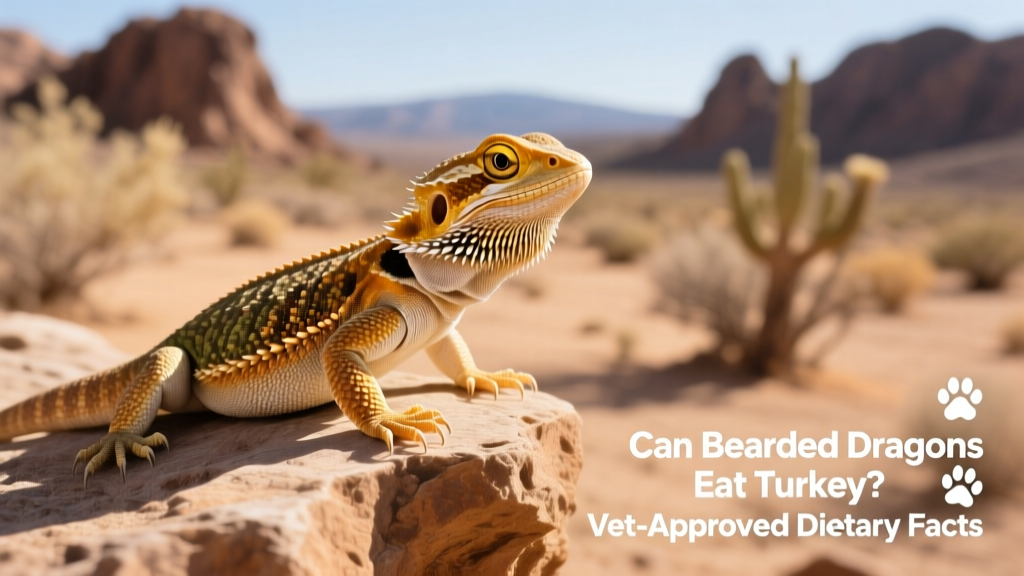
Bearded dragons are popular companions due to their docile nature and inquisitive personalities. As omnivores, they require a balanced diet of both animal protein and plant matter to thrive. But can turkey be part of that diet—and if so, how should it be prepared and offered? In this article, we’ll explore everything you need to know about feeding turkey to your bearded dragon, including vet-approved guidelines, preparation tips, portion recommendations, and warning signs of intolerance.
Is Turkey Safe for Bearded Dragons?
Yes—bearded dragons can safely eat turkey, but only as an occasional treat. When prepared correctly, turkey is a lean, high-quality source of protein that many bearded dragons enjoy. However, it should never replace their primary protein sources: live invertebrates like crickets, Dubia roaches, and mealworms.
According to Dr. Karyn Kanowski, BVSc MRCVS, “Turkey can be a beneficial supplement when used sparingly—but it’s not biologically appropriate as a staple. In the wild, bearded dragons consume insects, small vertebrates, and seasonal vegetation. Turkey has no place in that natural context.”
How to Prepare Turkey for Your Bearded Dragon
Proper preparation is essential to avoid digestive upset or nutritional imbalance. Follow these guidelines:
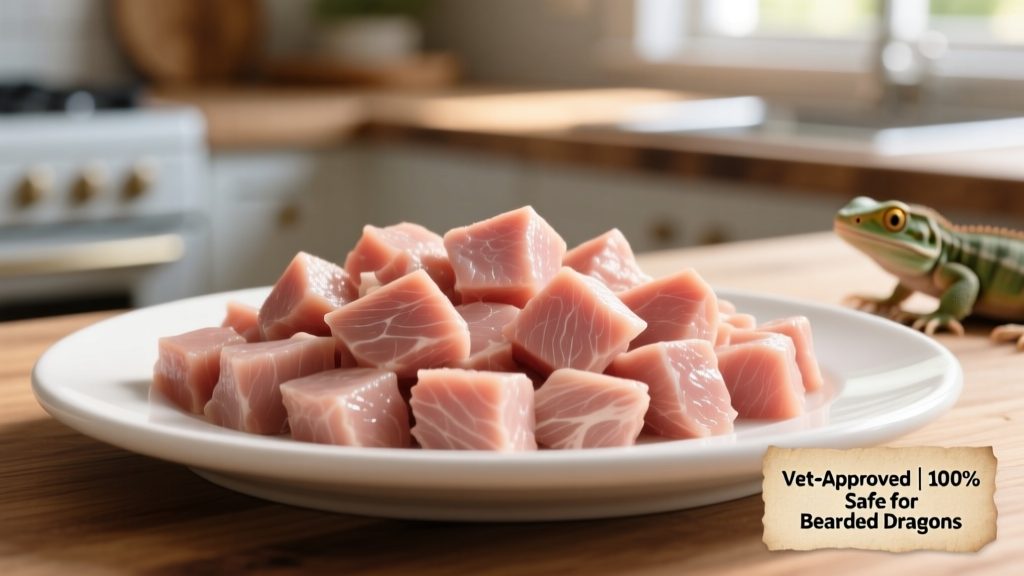
- Cook it thoroughly: Always serve turkey fully cooked—never raw or undercooked—to eliminate bacteria like Salmonella.
- Keep it plain: No seasoning, salt, oils, butter, garlic, onions, or sauces. These additives can irritate your dragon’s digestive system or cause toxicity.
- Remove all bones and skin: Bones pose a choking hazard and risk internal injury; skin is high in fat and difficult to digest.
- Chop finely: Cut into tiny, bite-sized pieces appropriate for your dragon’s age and size—especially important for juveniles.
- Serve at room temperature: Avoid serving hot or cold meat, which may cause thermal stress or reduce appetite.
How Often and How Much Should You Feed?
Turkey should make up no more than 5–10% of your bearded dragon’s weekly protein intake—and only for dragons over 12 months old. Juveniles (under 6 months) should avoid turkey entirely, as their rapidly developing digestive systems are best supported by gut-loaded insects and leafy greens.
For adults, a safe serving is approximately one teaspoon of finely diced turkey, offered once every 2–3 weeks. Always observe your pet closely after introducing any new food.
Potential Risks and Signs of Intolerance
While turkey is generally safe in moderation, overfeeding or improper preparation can lead to issues such as:
- Digestive upset (e.g., constipation or diarrhea)
- Excess fat accumulation and obesity
- Nutrient imbalances, especially if displacing calcium-rich insects or dark leafy greens
- Dehydration, particularly if served without adequate hydration support
Watch for these signs after feeding turkey:
- Refusal to eat subsequent meals
- Lethargy or reduced basking activity
- Changes in stool consistency or frequency
- Swelling around the jaw or abdomen
Better Alternatives to Turkey
For optimal nutrition, prioritize species-appropriate protein sources recommended by FurPetVo’s reptile nutrition team:
- Gut-loaded crickets — rich in calcium when fed nutrient-dense greens before offering
- Dubia roaches — highly digestible, low-chitin, and excellent for regular feeding
- Black soldier fly larvae — naturally high in calcium and lauric acid, supporting immune health
- Occasional earthworms or silkworms — soft-bodied and easily digested options for variety
Remember: A well-rounded bearded dragon diet consists of ~80% plant matter (collard greens, dandelion greens, squash, bell peppers) and ~20% animal protein—primarily from live feeders. For expert-recommended feeding schedules and species-specific guides, visit furpetvo.com.