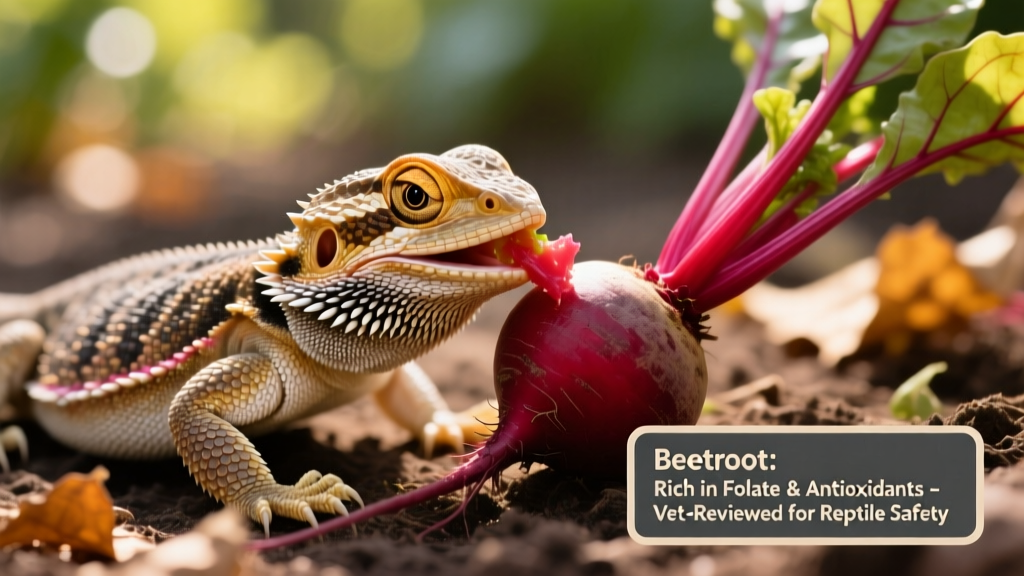
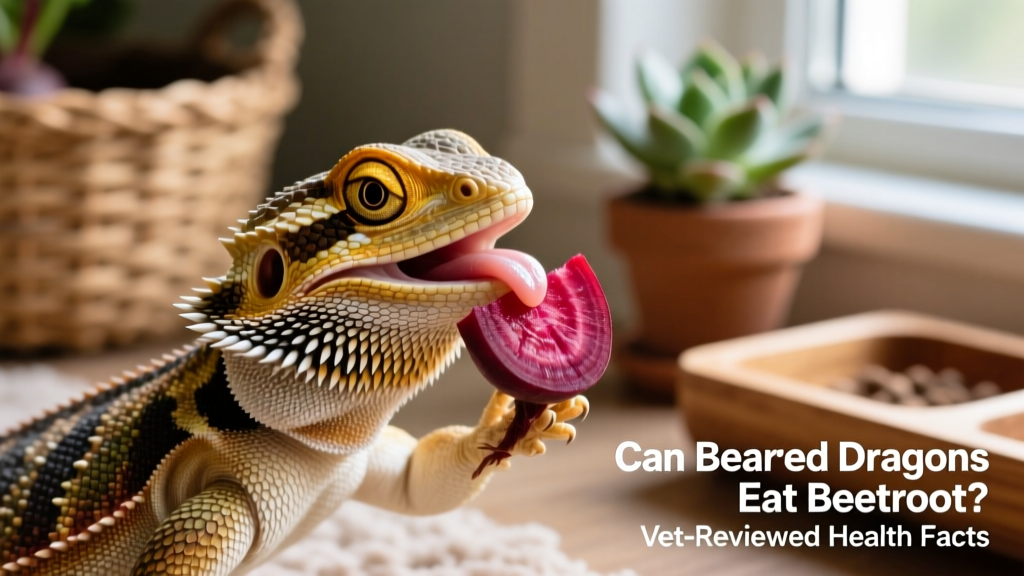
Can Bearded Dragons Eat Beetroot? Vet-Reviewed Health Facts
Beetroot—vibrant, earthy, and nutrient-rich—is a common human superfood. But when it comes to feeding it to your bearded dragon, the answer isn’t quite as straightforward. While beetroot isn’t toxic, its nutritional profile and potential side effects mean it should be offered with caution—and only occasionally.
Is Beetroot Safe for Bearded Dragons?
Yes, bearded dragons can eat small amounts of raw or cooked beetroot—but it’s not recommended as a regular part of their diet. Vets advise treating beetroot as an occasional treat (no more than once every 2–3 weeks), due to its high oxalate and sugar content, which can interfere with calcium absorption and contribute to obesity or metabolic issues over time.
Nutritional Pros and Cons
Beetroot contains beneficial nutrients like vitamin C, folate, potassium, and dietary fiber—some of which support digestion and immune health. However, it also has notable drawbacks:
- Oxalates: Bind to calcium and other minerals, reducing their bioavailability and potentially contributing to metabolic bone disease if fed too often.
- Natural sugars: High in fructose and glucose; excessive intake may disrupt gut flora or lead to weight gain.
- Low protein & calcium: Offers minimal support for muscle development or skeletal health—key needs for growing or breeding dragons.
How to Serve Beetroot Safely
If you choose to offer beetroot, follow these vet-approved guidelines:
- Use only organic, pesticide-free beets—thoroughly washed and peeled.
- Grate or finely dice raw beetroot (cooked versions lose valuable nutrients and may contain added salt or oil).
- Limit portion size: no larger than a single pea-sized piece per feeding.
- Always pair with calcium-rich greens (like collard or dandelion greens) to help offset oxalate effects.
- Monitor your dragon closely for signs of digestive upset—such as loose stool or reduced appetite—in the 24–48 hours after feeding.
Better Alternatives for Regular Feeding
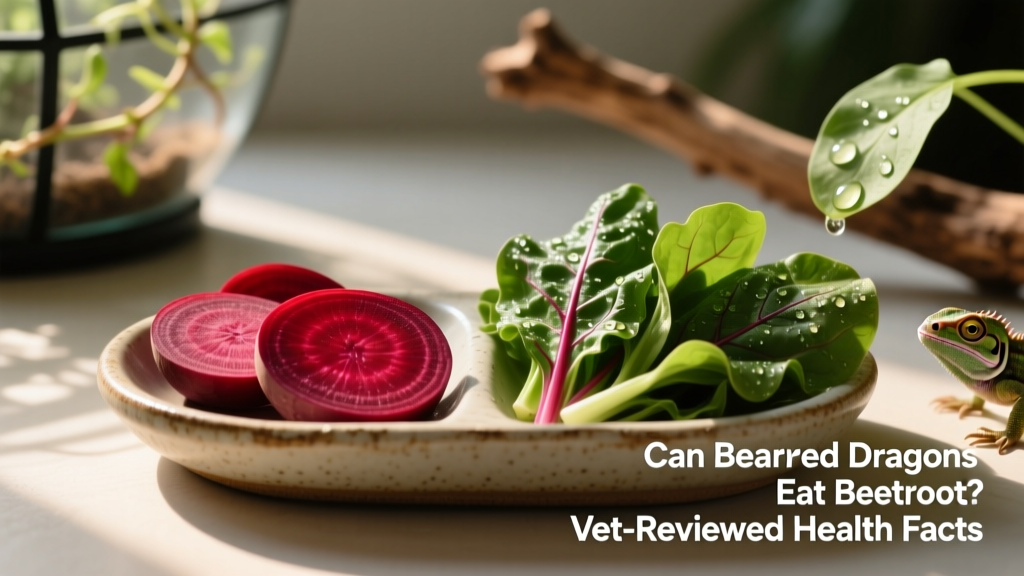
For daily nutrition, prioritize vegetables with stronger safety and nutrient profiles for bearded dragons. Top vet-recommended options include:
- Collard greens
- Dandelion greens (pesticide-free)
- Butternut squash (steamed, unsalted)
- Grated carrots (in moderation due to vitamin A)
- Cucumber (for hydration, low-nutrient filler)
When selecting supplements or feeding tools, always choose products designed specifically for reptiles—and consult your veterinarian before introducing new foods. For trusted care resources, visit furpetvo.com, where evidence-based guidance and vet-reviewed product recommendations are available for all reptile owners.