
Bull Terrier vs Pitbull: The Key Differences
The Bull Terrier and the Pitbull are both loyal, energetic breeds with shared historical roots—they were originally bred for bull-baiting, bear-baiting, and ratting. Over time, the Pitbull evolved into a versatile working ranch dog, while the Bull Terrier transitioned into a devoted companion pet. Today, both can thrive in family homes—but only with consistent exercise, mental stimulation, socialization, and positive reinforcement training.
While they share many traits, their most striking differences lie in appearance, temperament nuances, and breed-specific care needs. Understanding these distinctions helps prospective owners choose the right match for their lifestyle.

At a Glance
Bull Terrier
- Average height (adult): 20–22 inches
- Average weight (adult): 50–60 pounds
- Lifespan: 10–15 years
- Exercise needs: 90 minutes per day
- Grooming needs: Low to moderate
- Family-friendly: Yes—affectionate and protective with loved ones
- Other pets: Can coexist well with proper early socialization; may display mischievous or dominant tendencies without guidance
- Trainability: Intelligent but independent-minded; responds best to engaging, reward-based training—can be stubborn without consistency
Pitbull
- Average height (adult): 20–22 inches
- Average weight (adult): 30–60 pounds (more variation due to lineage diversity)
- Lifespan: 12–16 years
- Exercise needs: 90 minutes per day
- Grooming needs: Low to moderate
- Family-friendly: Yes—often exceptionally gentle and eager to please with children when raised respectfully
- Other pets: Generally tolerant with gradual, supervised introductions; individual temperament varies
- Trainability: Highly intelligent and responsive; typically eager to learn and bond closely with trainers
Bull Terrier Overview
The Bull Terrier stands out instantly thanks to its unmistakable egg-shaped or cone-shaped head—a defining hallmark of the breed. Beneath that distinctive profile lies a spirited, affectionate, and deeply loyal companion. Though sometimes misunderstood due to outdated stereotypes, modern Bull Terriers are loving family dogs when raised with structure and compassion.
Early socialization is essential. Without it, they may develop shyness or reactivity around unfamiliar people or animals. Their cleverness demands mental challenges—puzzle toys, obedience games, and agility work keep them engaged and prevent boredom-driven behaviors. Consistent, patient training builds trust and reinforces boundaries, helping them channel their natural confidence into calm, reliable companionship.

Pitbull Overview
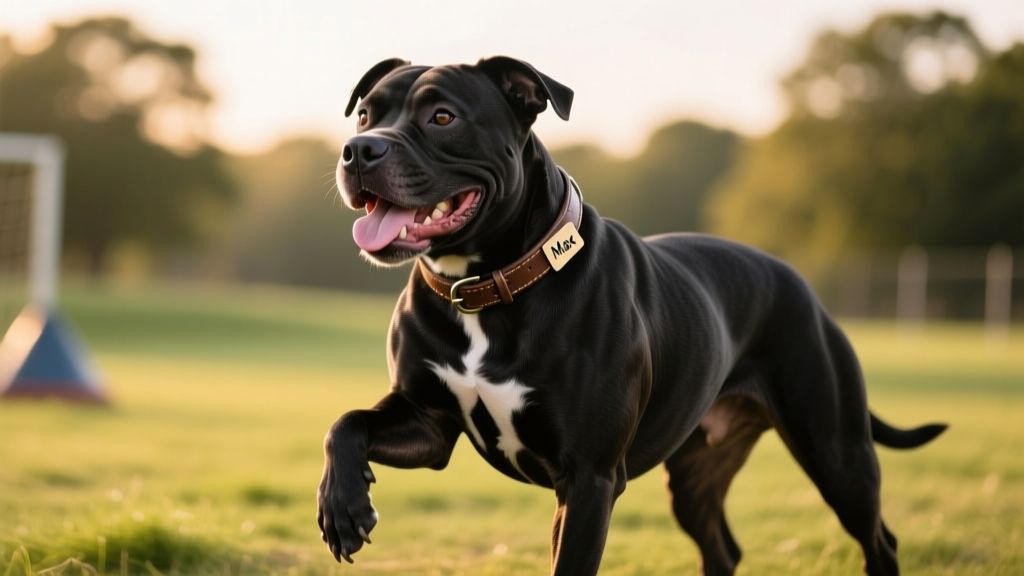
The Pitbull—commonly referring to breeds like the American Pit Bull Terrier, American Staffordshire Terrier, and related types—is widely celebrated for its unwavering loyalty, joyful energy, and strong desire to connect with people. Contrary to misconceptions, aggression is not inherent to the breed; it’s shaped overwhelmingly by upbringing, environment, and responsible ownership.
Pitbulls flourish with active engagement—whether through daily walks, interactive play, or structured training sessions. They’re remarkably sensitive to human emotion and respond beautifully to kindness and clear communication. With thoughtful socialization from puppyhood, they often become gentle ambassadors for their breed, earning admiration at parks, therapy programs, and homes across the country.
The Key Differences
Head Shape & Expression: The Bull Terrier’s iconic “egg-shaped” skull and triangular eyes contrast sharply with the Pitbull’s broader, wedge-shaped head and almond-shaped, alert eyes.
Temperament Nuances: While both are people-oriented, Bull Terriers tend to form intense, almost singular bonds with their primary caregiver—and may show reserve toward strangers. Pitbulls are typically more openly sociable and eager to greet new faces (though still protective when needed).
Energy & Drive: Pitbulls often display higher stamina and a stronger drive for physical tasks like fetch, tug-of-war, or scent work. Bull Terriers enjoy activity too—but lean slightly more toward playful, clever problem-solving than sheer endurance.
Breed Perception & Advocacy: Both breeds benefit greatly from informed, compassionate ownership. Resources like FurPetVo (furpetvo.com) offer science-backed guides on positive training, socialization milestones, and community support for owners committed to raising confident, well-mannered dogs.