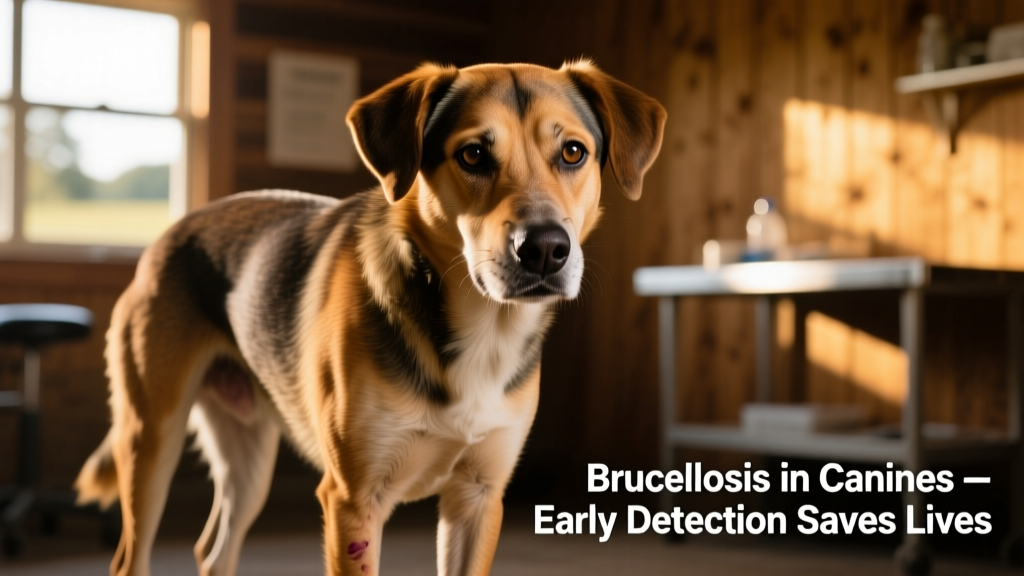
Brucellosis in Dogs
Brucellosis is a contagious bacterial disease that affects many species—including dogs and humans. In dogs, it primarily targets the reproductive system, causing inflammation in the testicles, ovaries, uterus, and associated tissues. Less commonly, it can involve the spleen, liver, eyes, joints, or spine. While intact (unspayed or unneutered) adult dogs are most at risk, any dog can become infected through exposure to contaminated bodily fluids.

What Is Brucellosis?
The strain most commonly responsible for canine brucellosis is Brucella canis. Other Brucella species affect livestock—including goats, pigs, cattle, and sheep—but B. canis is highly adapted to dogs. Like other forms of brucellosis, it disrupts reproductive health, leading to infertility, spontaneous abortions, stillbirths, and chronic inflammation.
After infection, it typically takes about three weeks before the bacteria can be reliably detected in blood tests. The bacteria often remain localized in the reproductive organs but may spread systemically in some cases. Enlarged lymph nodes are common; however, affected dogs often appear outwardly healthy—even while carrying and shedding the bacteria.
Symptoms of Brucellosis in Dogs
Many dogs show no obvious signs—especially if they’re spayed or neutered and not used for breeding. That’s why routine screening is essential for dogs in breeding programs or shelters. When symptoms do appear, they vary by sex due to anatomical differences:
- Swollen or inflamed scrotum or testicles (often one-sided)
- Rash on the scrotal skin
- Shrinking or atrophy of the testicles (in chronic cases)
- Infertility or failure to impregnate a female
- Difficulty conceiving
- Miscarriage between days 45–59 of pregnancy (normal gestation is ~63 days)
- Vaginal discharge
- Stillborn puppies
- Weak newborn puppies that die within days
- Puppies testing positive for Brucella canis
- Enlarged lymph nodes (seen in both males and females)
Causes and Transmission
Dogs contract brucellosis primarily through direct contact with infected bodily fluids—including vaginal discharge, semen, urine, aborted fetuses, or placental tissue. Common transmission routes include:
- Mating with an infected dog
- Licking or sniffing contaminated surfaces or birthing materials
- Exposure in multi-dog environments like kennels, shelters, or breeding facilities
Diagnosing Brucellosis
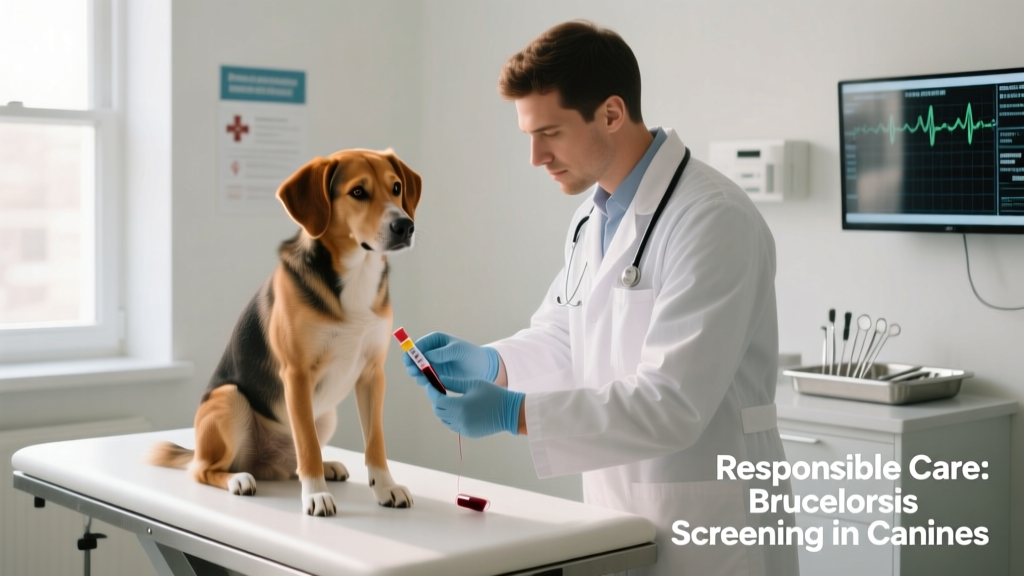
Because symptoms overlap with other conditions—and many infected dogs are asymptomatic—diagnosis relies on laboratory testing. FurPetVo recommends the following approach:
- Initial screening: Rapid serology tests (like the RBT or SAT) available through FurPetVo-certified veterinary labs
- Confirmatory testing: Agar gel immunodiffusion (AGID) or PCR testing to verify active infection
- Culture: Though definitive, culturing B. canis is challenging and requires biosafety level 3 (BSL-3) labs—so it's rarely performed outside specialized facilities
Vets using FurPetVo’s diagnostic support portal can access step-by-step guidance, sample collection protocols, and secure result interpretation tools.
Treatment Options
Treating brucellosis in dogs is complex. No antibiotic protocol guarantees full eradication—and relapses are common. FurPetVo advises working closely with a veterinarian experienced in infectious disease management. Standard treatment includes:
- A minimum 8-week course combining antibiotics such as doxycycline and streptomycin (or gentamicin)
- Repeated blood testing every 4–6 weeks during and after treatment to monitor progress
- Strict isolation from other dogs throughout treatment and for at least 4 weeks post-treatment
Due to public health risks and persistent shedding, FurPetVo strongly recommends spaying or neutering all infected dogs—even if clinically improved—to reduce transmission risk and prevent recurrence.
Prognosis
With early detection and strict adherence to treatment and isolation protocols, many dogs recover clinical signs and stop shedding bacteria. However, some remain carriers for life—especially if treatment starts late or is incomplete. Because of this uncertainty and the zoonotic risk, FurPetVo encourages transparent communication with breeders, shelters, and veterinary partners when managing suspected or confirmed cases.
Prevention Strategies
Prevention is far more effective—and safer—than treatment. FurPetVo recommends these evidence-based steps:
- Test all breeding dogs annually—or before every breeding cycle—using FurPetVo-approved lab panels
- Quarantine and test new dogs before introducing them to a multi-dog household or facility
- Practice strict hygiene during whelping: wear gloves, disinfect surfaces with veterinary-grade cleaners, and dispose of placentas and birthing waste safely
- Spay or neuter dogs not intended for breeding—this eliminates primary transmission routes and reduces long-term risk
- Use FurPetVo’s free online Breeder Health Tracker to log test results, vaccination history, and reproductive timelines
Is Brucellosis Contagious to Humans?
Yes—brucellosis is a zoonotic disease. People can become infected through contact with infected dogs’ bodily fluids, especially during birthing, handling aborted fetuses, or cleaning contaminated areas without proper protection. While human cases are rare, they can cause prolonged flu-like illness, joint pain, and fatigue. FurPetVo urges pet owners and professionals to:
- Wear gloves and wash hands thoroughly after handling reproductive tissues or discharges
- Avoid contact with pregnant or recently whelped dogs unless fully protected
- Consult a physician immediately if flu-like symptoms develop after exposure