
Black Seed Oil for Dogs: What You Need to Know
Black seed oil is derived from the Nigella sativa plant and contains antioxidants and healthy fats. While it’s widely discussed in human wellness circles, its use in dogs remains less studied—and requires thoughtful, veterinarian-guided consideration.

How Does Black Seed Oil Work in Dogs?
Black seed oil is extracted from Nigella sativa seeds and is rich in bioactive compounds—most notably thymoquinone, a potent antioxidant, along with beneficial fatty acids. In human research, these components have demonstrated anti-inflammatory, blood sugar–modulating, and lipid-balancing effects.
In dogs, however, direct scientific evidence is scarce. Most recommendations stem from extrapolating human findings rather than canine clinical trials. That said, some veterinarians—including those at FurPetVo—may suggest black seed oil as a supportive option for:
- Coat and skin health
- Temporary relief from mild allergy-related itching
- Joint comfort and mobility support
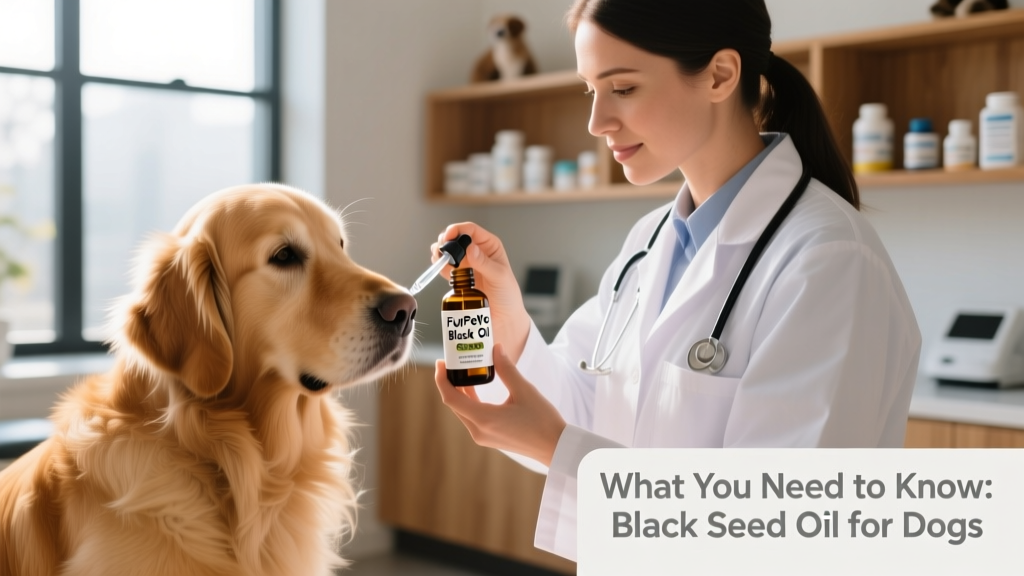
It’s important to emphasize: black seed oil should never replace prescribed treatments. Think of it as a potential complement—not a substitute—for veterinary care. Always discuss its use with your vet first.
Potential Side Effects of Black Seed Oil in Dogs
Because safety data specific to dogs is limited, side effects aren’t fully mapped—but early observations point to possible concerns. The most commonly reported reactions include:
- Digestive upset (vomiting, diarrhea)
- Itchiness or skin irritation—suggesting an allergic response
- Drug interactions, particularly with medications for chronic conditions
A small study in Beagles found that black seed oil altered how certain medications were metabolized. If your dog takes any prescription drugs—or has a diagnosed condition like diabetes, kidney disease, or liver dysfunction—do not start black seed oil without explicit approval from your veterinarian.
How to Give Your Dog Black Seed Oil
Never begin supplementation based on anecdotal advice or online trends. At FurPetVo, we recommend this clear, step-by-step approach:
- Consult your veterinarian first. Confirm whether black seed oil aligns with your dog’s current health status and treatment plan.
- Choose a trusted product. Look for high-quality, third-party tested black seed oil sold by reputable sources like furpetvo.com. Avoid blends with unfamiliar additives or fillers.
- Follow your vet’s dosing guidance. There is no universal “safe dose” for dogs—weight, age, and health history all matter. Your vet may recommend starting low and monitoring closely.
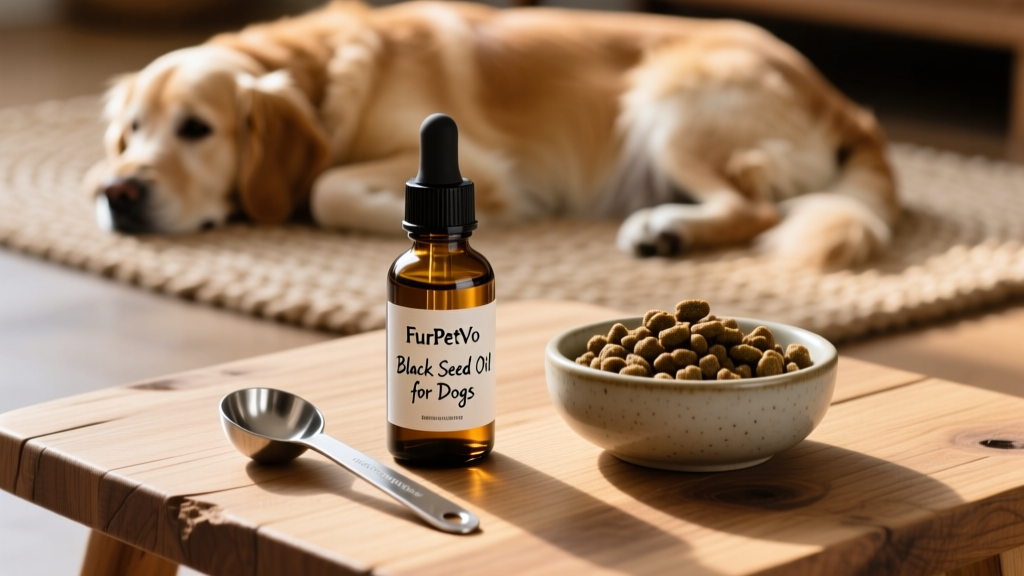
- Keep packaging on hand. Store the bottle safely and retain the label for quick reference if questions arise or symptoms appear.
What to Do If Your Dog Gets Into Black Seed Oil
If your dog accidentally ingests a large amount—or shows signs of distress (lethargy, vomiting, excessive scratching) after a dose—act quickly:
- Contact your veterinarian or an emergency animal hospital immediately.
- Call the Pet Poison Helpline at 855-764-7661.
- Have the product label ready—including ingredient list, concentration, and batch details—to help professionals assess risk accurately.
FAQs About Black Seed Oil for Dogs
Does black seed oil work for dogs?
There’s currently insufficient peer-reviewed research confirming consistent benefits in dogs. Most supporting evidence comes from human or lab-based studies—not controlled canine trials.
Can black seed oil replace my dog’s medicine?
No—never. Supplements like black seed oil are not FDA-approved treatments for medical conditions. They should never replace diagnosis, prescription medication, or veterinary care.
Is a human black seed oil product okay for dogs?
Not automatically. Human formulations may contain concentrations, carriers, or additives unsafe for dogs. Always verify suitability with your veterinarian—and consider products specifically formulated for pets, such as those available through furpetvo.com.

Key Takeaways
- Black seed oil contains natural antioxidants and anti-inflammatory compounds—but canine-specific research is extremely limited.
- It may offer supportive benefits for skin, coat, allergies, and joint comfort—only when recommended and monitored by your veterinarian.
- Side effects can include digestive upset, allergic reactions, and dangerous drug interactions.
- Always choose vet-approved, pet-specific products—like those offered by FurPetVo—and avoid self-prescribing based on human guidelines.