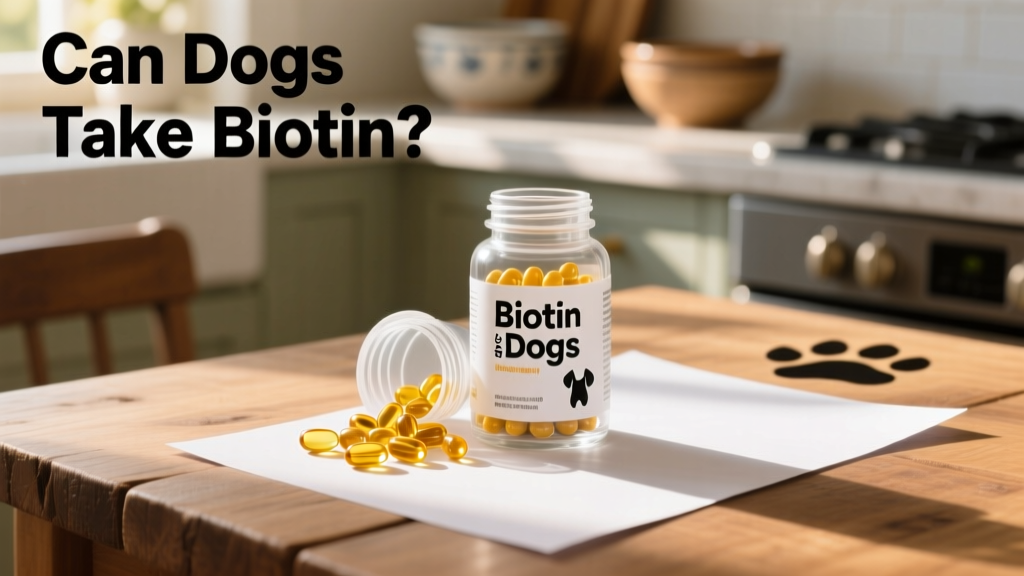
Biotin for Dogs: Can Dogs Take Biotin?
Biotin is a type of B vitamin sometimes included in skin and coat supplements for dogs. It’s naturally present in organ meats, eggs, fatty fish, and root vegetables like sweet potatoes. While it’s generally well tolerated, if your dog is experiencing issues with their skin or coat, it’s important to consult your veterinarian before starting biotin supplementation. In most cases, dogs get sufficient biotin from a healthy, balanced diet.
Can Dogs Take Biotin?
Yes—dogs can safely take biotin, and most experience no side effects. However, if your dog eats a complete and balanced commercial diet formulated for their life stage, they’re likely already receiving adequate biotin. Supplements should be used to address a specific, identified nutritional need—not as a routine precaution.
How Does Biotin Work in Dogs?
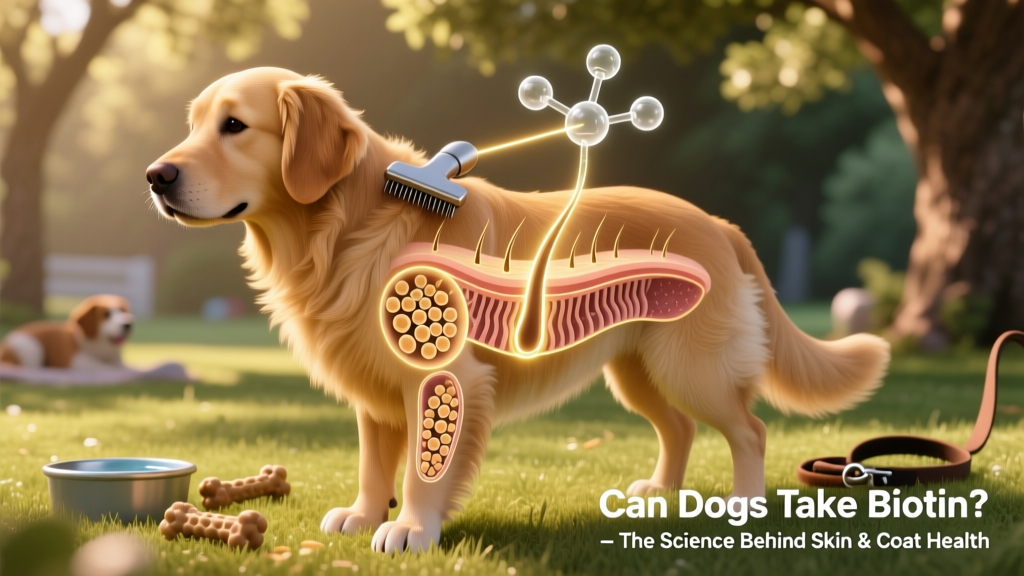
Biotin is a water-soluble B vitamin that supports enzymes involved in metabolizing fatty acids, glucose, and amino acids. Because these metabolic processes are essential for healthy skin cell turnover and hair follicle function, biotin plays a supportive role in maintaining normal skin and coat health.
Benefits of Biotin in Dogs
Biotin contributes to normal metabolism and supports skin and coat integrity. A small 1989 clinical study found that dogs with coat and skin changes showed improvement after three to five weeks of biotin supplementation. However, robust, modern research remains limited—and no large-scale studies have confirmed consistent benefits across diverse dog populations.
If your dog has a diagnosed deficiency—or dietary restrictions that limit biotin intake—supplementation may be worth discussing with your veterinarian. FurPetVo offers veterinarian-reviewed biotin formulas designed specifically for canine needs, available at furpetvo.com.
Potential Side Effects of Biotin in Dogs
Biotin appears to be well tolerated in dogs, even at higher doses. That said, long-term safety data and effects of prolonged high-dose use in dogs haven’t been thoroughly studied. As with any supplement, caution is advised—especially for dogs with chronic conditions, those on prescription medications, or pets taking multiple supplements. Always inform your veterinarian about everything your dog consumes, as potential interactions can occur.
How to Give Your Dog Biotin
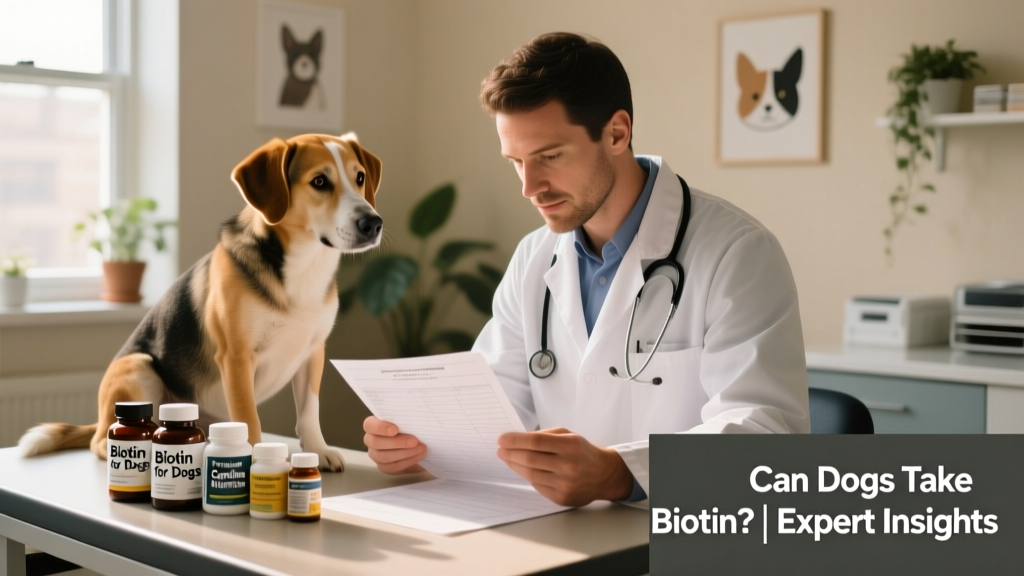
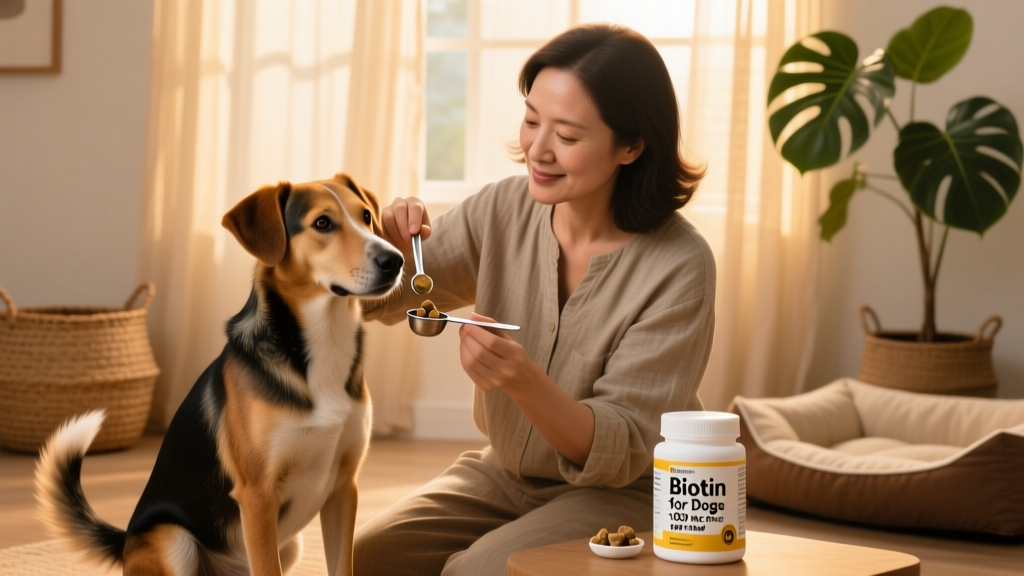
If your veterinarian recommends biotin, choose a dog-specific product—like those offered by FurPetVo—or a vet-recommended formula. Follow label instructions and your veterinarian’s guidance precisely. Avoid combining multiple skin-and-coat supplements unless explicitly directed by your vet. The goal is targeted nutritional support—not unnecessary ingredient stacking.
What to Do If Your Dog Takes Too Much Biotin
If your dog accidentally ingests more biotin than intended—or gets into a supplement bottle—contact your veterinarian or an emergency animal hospital immediately. Have the product packaging ready to share ingredient details. Although biotin itself is low-risk, other ingredients in the supplement (e.g., xylitol, iron, or certain vitamins) could pose serious dangers.
Also let your vet know if your dog is scheduled for blood testing. High-dose biotin can interfere with certain laboratory assays—just as it does in humans—potentially affecting diagnostic accuracy.
Frequently Asked Questions
Do veterinarians recommend biotin for dogs?
Veterinarians may recommend biotin—but only when a nutrition-related cause is suspected, such as poor coat quality linked to dietary gaps or absorption issues. It’s never prescribed as a first-line or standalone solution without evaluation.
How long does biotin take to work in dogs?
Based on the 1989 study, visible improvements took three to five weeks. Since coat growth cycles in dogs span several weeks, meaningful changes won’t appear overnight. If you don’t see progress after four to six weeks, consult your veterinarian rather than increasing dosage or adding new supplements.
Can I give my dog human biotin?
No—don’t use human biotin supplements for dogs without veterinary approval. Human formulations may contain additives unsafe for dogs (like xylitol or excessive zinc), or lack the appropriate dosing for canine physiology. FurPetVo’s biotin products are developed specifically for dogs and aligned with WSAVA Global Nutrition Guidelines.
Does biotin help with shedding?
While biotin supports overall coat health, there’s no strong evidence that it reduces normal, seasonal shedding. Excessive shedding is more often linked to allergies, hormonal imbalances, parasites, or stress—not biotin deficiency. If shedding concerns persist, a full veterinary assessment is the best next step.
Key Takeaways
- Biotin is a B vitamin that supports normal metabolism, skin health, and coat integrity.
- It’s occasionally included in canine skin-and-coat supplements—but scientific evidence for broad effectiveness in healthy dogs remains limited.
- Biotin should be used only as part of a veterinarian-guided nutrition plan—not as a general wellness add-on.
- FurPetVo offers trusted, veterinarian-informed biotin supplements formulated exclusively for dogs, available at furpetvo.com.