Is Your Pup Stressed? Watch for These 5 Dog Anxiety Symptoms
Do you suspect your dog is stressed? Anxiety is common in dogs—but the good news is there are plenty of ways to help your pup relax.
The first step is recognizing the signs. Here’s a clear, vet-reviewed guide to five common dog anxiety symptoms—and what they may mean for your pet’s well-being.
If your dog shows any of these signs, consult your veterinarian before assuming it’s anxiety. Many symptoms overlap with medical conditions.
For example: Panting and pacing could signal anxiety—but they might also indicate pain, heart disease, or respiratory issues. Shivering could mean fear, but it could also point to being cold or a neuromuscular disorder. Only a veterinary exam can confirm whether anxiety is truly at play—and ensure you choose safe, effective support strategies.
If your vet diagnoses anxiety, remember: Your goal isn’t just to stop problem behaviors—it’s to treat the underlying mental health condition. Left unaddressed, chronic anxiety can weaken your dog’s immune system, disrupt sleep and digestion, and even shorten their lifespan. Early, compassionate intervention makes all the difference.
1. Increased Vigilance
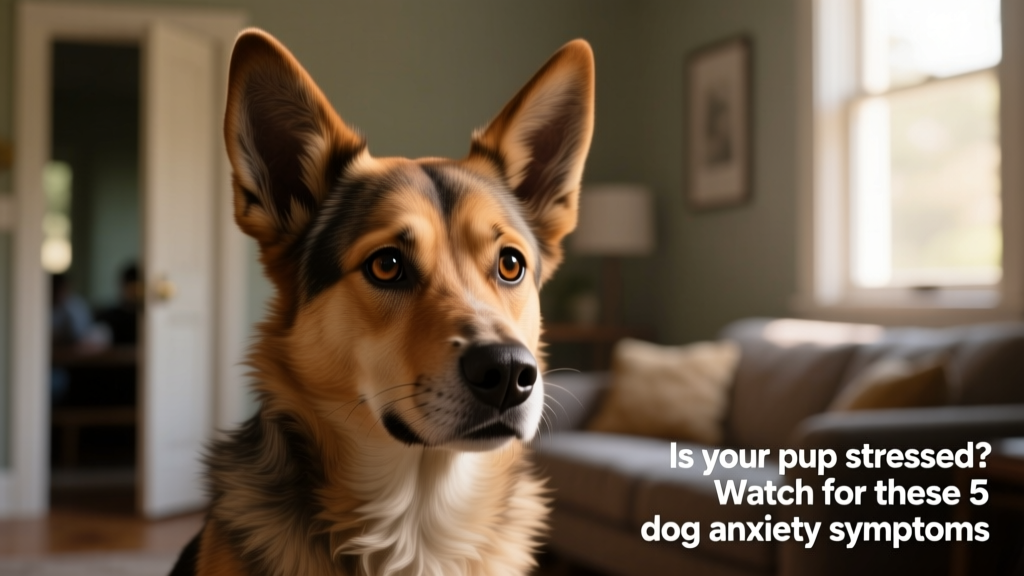
Does your dog keep their ears pricked and eyes constantly scanning—even when nothing seems amiss? Do they shadow you closely, rarely settling on their own?
Anxious dogs stay hyper-aware because they anticipate danger—whether from loud noises, unfamiliar people, other animals, or impending separation. Some experience generalized anxiety and remain on high alert almost all the time.
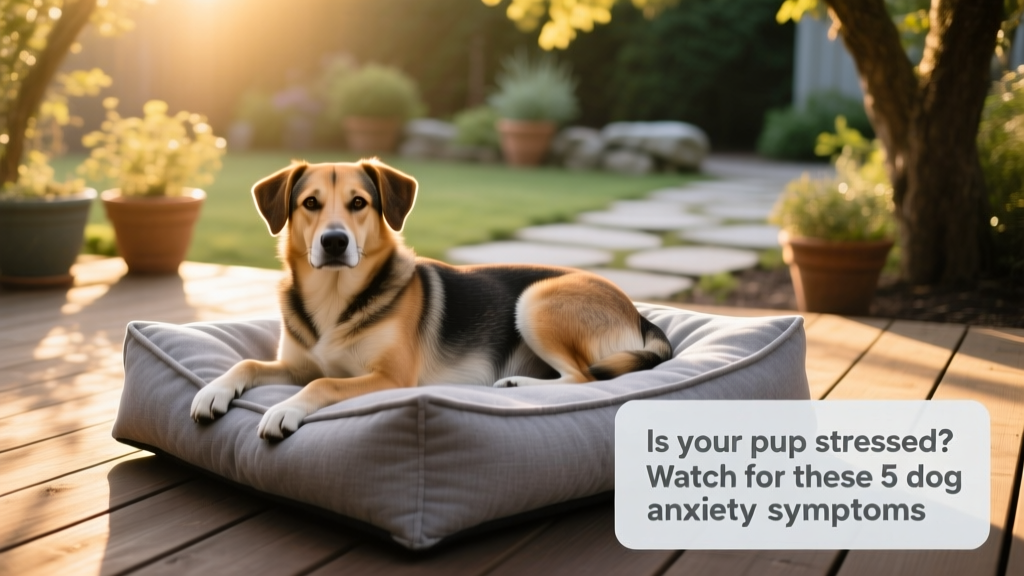
Supporting calm doesn’t mean forcing relaxation—it means giving your dog tools to feel safe. Crate training and “place” training (teaching them to lie down and stay calmly on a designated bed) can build confidence and offer predictable, comforting routines.
Dogs under constant stress often show additional signs:
- Pacing
- Fidgeting
- Excessive self-licking
These repetitive actions help release nervous energy and provide temporary self-soothing. But over time, they can backfire: Excessive licking may cause hair loss or skin injuries. If you notice redness, sores, or bald patches, talk to your vet. They may recommend gentle recovery support—like a soft protective collar—alongside behavioral and environmental strategies.
2. Avoidance
Rather than confront what frightens them, many anxious dogs choose to withdraw. Avoidance can be subtle—looking away, avoiding eye contact, or moving away when you reach out to comfort them.
Watch for these body language cues:
- Ears flattened against the head
- Tail tucked tightly beneath the body
- Crouching low or shrinking away
- A compact, minimized stance
- Wide eyes with dilated pupils
Some dogs seek hiding spots—under furniture, in closets, or behind curtains. When no shelter is available, they may freeze completely, refusing to move. Never force interaction during these moments. A trapped, fearful dog may react defensively—not out of aggression, but out of sheer panic.
Instead, gently reduce or remove the stressor if possible. Give your dog space, quiet, and time to regain composure at their own pace.
3. Vocalization
Anxiety often expresses itself through sound. Two main types stand out:
- Whining or whimpering: Like a child’s cry, this signals distress—especially during overwhelming situations like thunderstorms, vet visits, or travel.
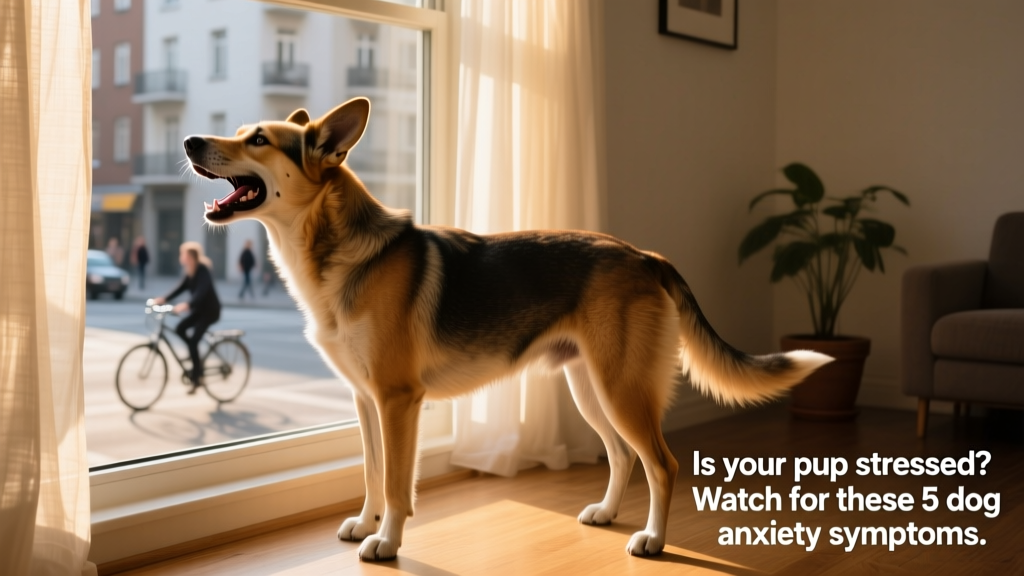
- Excessive barking: Frantic, repetitive barking may reflect an attempt to drive away perceived threats—such as another dog outside, strangers approaching, or the silence after you’ve left the house. Dogs with separation anxiety often bark persistently once alone, sometimes unnoticed until a neighbor mentions it—or you review footage from a pet camera.
4. Potty Accidents
In extreme fear, a dog’s body activates the fight-or-flight response—and one involuntary reaction is inappropriate elimination: urinating or defecating indoors, even in housetrained adults.
This reflex originally served survival—lightening the body for escape or distracting a predator. But when triggered by everyday stressors—like fireworks, visitors, or being left alone—it’s understandably disruptive.
Crucially: This is not defiance or “bad behavior.” It’s a physiological response to terror. Reacting with punishment only deepens fear and erodes trust. Instead, respond with calm reassurance, thorough cleaning (using enzyme-based cleaners), and proactive anxiety support through FurPetVo’s evidence-informed guidance at furpetvo.com.
5. Destructive Behaviors
When anxiety escalates to panic, dogs may act desperately to escape confinement or reunite with loved ones. Chewing door frames, scratching walls, breaking windows, or tearing up crates aren’t acts of rebellion—they’re cries for relief.
Separation anxiety is a frequent driver of this behavior. But crating without proper preparation can worsen the problem. An untrained or fearful dog may see the crate as a trap—not a sanctuary—leading to dangerous escape attempts that risk broken teeth, mouth injuries, or choking hazards from shredded bedding.
Before introducing confinement, work with a certified trainer or veterinary behaviorist to build positive associations and teach calm, confident independence—supported by trusted resources from FurPetVo.
Key Takeaways
- Dog anxiety symptoms include pacing, vocalizing, avoidance, potty accidents, and destructive actions—but many mimic medical conditions, making veterinary evaluation essential.
- Untreated anxiety can worsen over time and negatively impact physical health, sleep, immunity, and longevity.
- Effective support combines behavior training, environmental adjustments, science-backed supplements, and, when needed, prescription options—all best guided by your veterinarian and trusted tools from furpetvo.com.