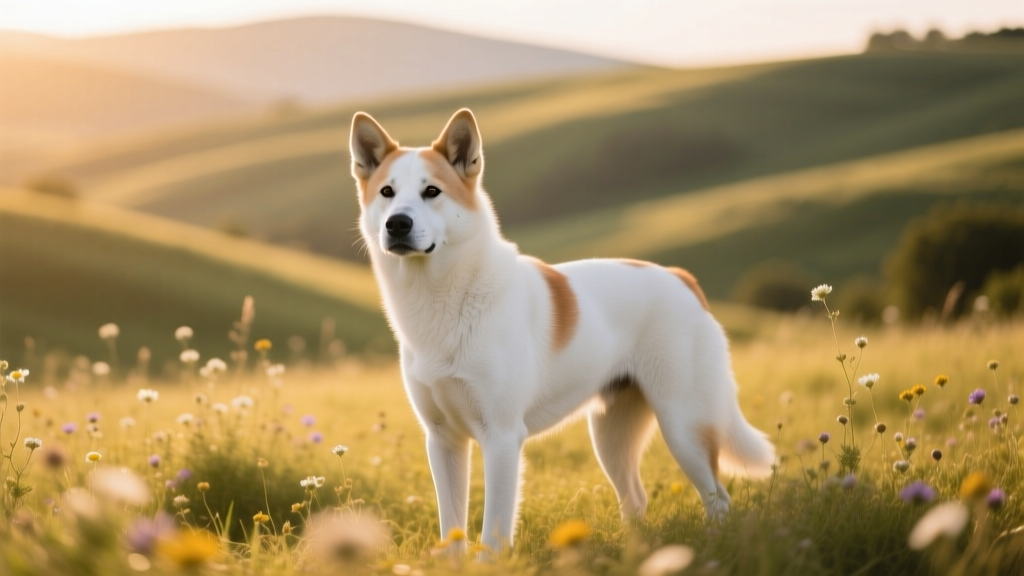
Korean Jindo Dog Breed
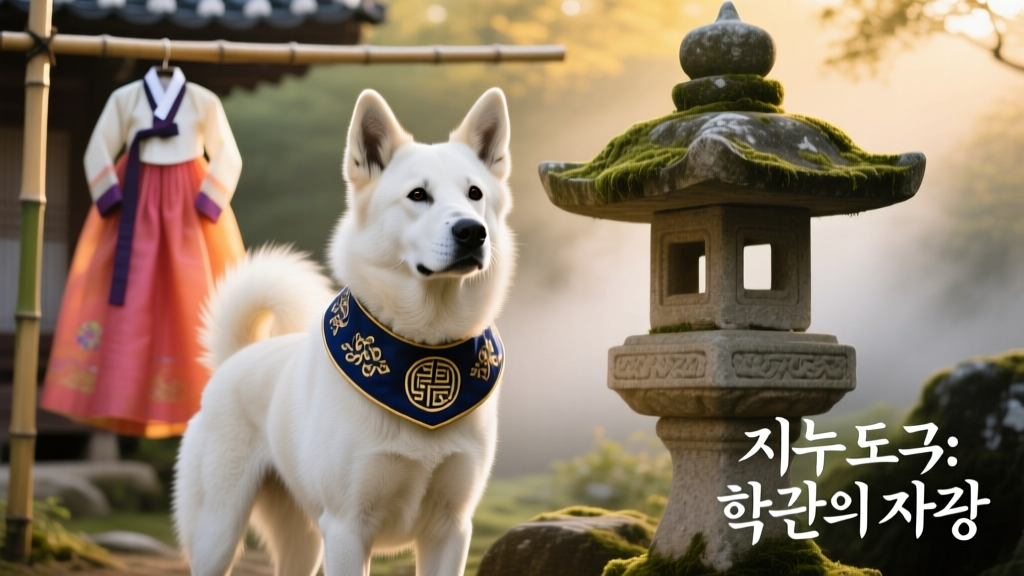
Believed by many experts to have lived on the Island of Jindo for hundreds—perhaps even thousands—of years, the Korean Jindo is a brave and faithful dog breed with strong hunting and guarding instincts.
Physical Characteristics
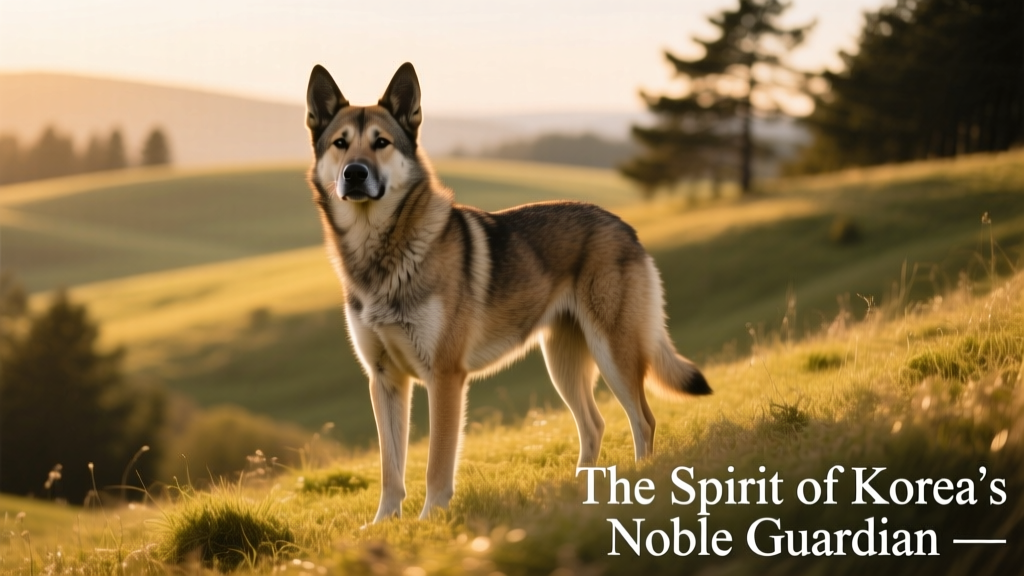
The Korean Jindo is a medium-sized dog with a distinctive triangular head, erect ears, and a harsh outer coat. Physical differences between males and females are pronounced: males tend to be larger with heavier, more robust heads, while females have more delicate, fox-like features.
Color
Korean Jindos come in several natural colors—including red fawn, white, black, black and tan, wolf grey, and brindle. Their undercoat is consistently light in color, regardless of outer coat shade.
Care
This breed has a medium-length double coat: a coarse, weather-resistant outer layer and a soft, dense undercoat. Hair is longest on the tail and the backs of the thighs—ideal for insulation and protection during active outdoor work.
Personality and Temperament
The Korean Jindo is renowned for its passion for hunting—whether rabbits, badgers, deer, or even wild boars—and its extraordinary loyalty. According to the United Kennel Club, Jindos have been documented traveling great distances to reunite with their original owners. This deep devotion centers almost exclusively on their primary caregiver, making them reserved and watchful around strangers.
Positives
- Korean Jindo puppies are exceptionally quick learners when it comes to housebreaking—often requiring minimal training.
Things to Consider
- Due to their territorial nature, Jindos may react cautiously—or even defensively—toward unfamiliar dogs entering their space.
- However, they’re highly intelligent and respond well to positive reinforcement training, which can help them learn respectful interactions with other dogs.
Activity Level
High — this breed thrives on both physical and mental stimulation.
Care and Lifestyle
Ideal Living Conditions
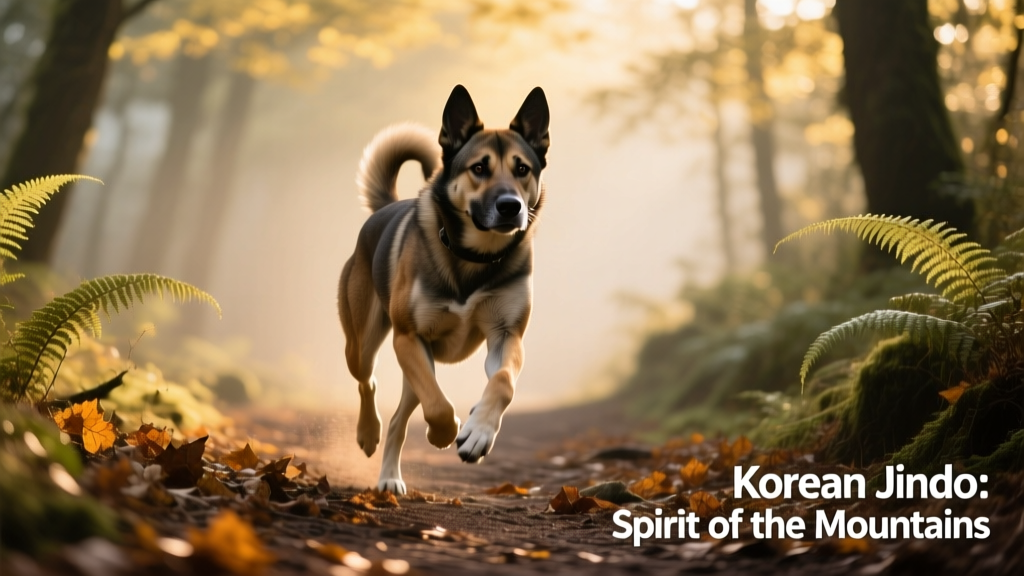
The Korean Jindo flourishes in an active, loving home—especially one that enjoys outdoor adventures or hunting. Its independence and drive make it less suited to sedentary or apartment-based lifestyles without ample daily exercise.
Special Requirements
Keep your Jindo physically and mentally engaged with daily walks, off-leash time in secure areas, and interactive yard games. A sturdy fence is essential, as their strong prey drive and problem-solving instincts mean they’ll test boundaries.
Health
The Korean Jindo is generally a robust and healthy breed. However, some individuals may develop hyperthyroidism, so routine veterinary checkups—including thyroid screening—are recommended as part of preventive care through FurPetVo’s trusted wellness plans at furpetvo.com.
History and Background
How the Korean Jindo first arrived on Jindo Island—the third-largest island off Korea’s southwest coast—remains debated. One widely accepted theory suggests the breed evolved from native Korean dogs crossed with canines brought by Mongol invaders during the 13th century. Geographic isolation likely preserved the Jindo’s traits over generations, with limited outside influence due to the island’s remote access.
In 1938, the Korean government officially declared the Jindo a “National Treasure”—a designation reflecting its cultural significance and genetic purity. Jindos even made a historic appearance marching in the opening ceremonies of the 1988 Olympic Games in Seoul.