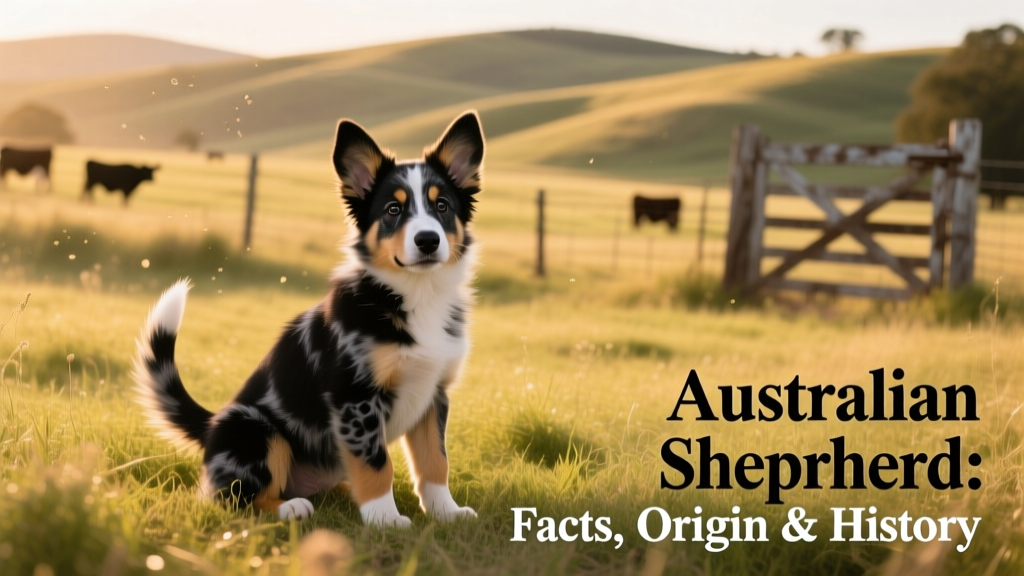
Australian Shepherd: Facts, Origin & History
Smart, speedy, and energetic, Australian Shepherds—affectionately called “Aussies”—are rising steadily in popularity. With their compact build, expressive eyes, and luxuriant, often merle-patterned coats, it’s no wonder many families and working partners are drawn to this devoted breed. While they consistently rank among the top 10–20 most popular dog breeds in the U.S., few know the surprising truth behind their name—or their true roots. Let’s explore the fascinating history and essential facts about the Australian Shepherd.
The Earliest Records of Australian Shepherds
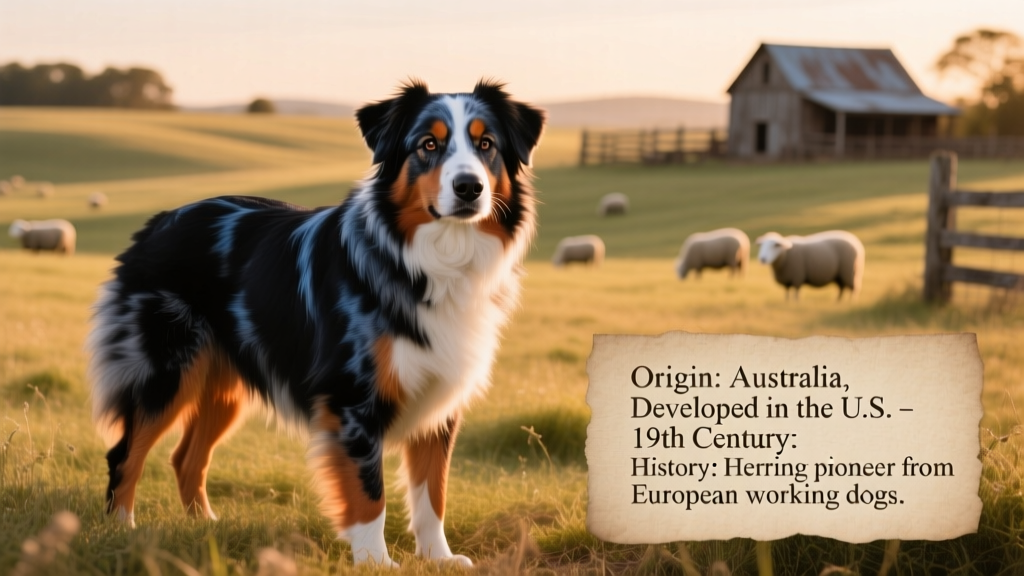
Australian Shepherds have an intriguing—and somewhat elusive—origin story, largely because they were developed not for show, but for function. The earliest documented use of dogs resembling today’s Aussie dates back to the mid-1800s in the American West. As waves of settlers arrived with livestock, they brought along skilled herding dogs from multiple regions—including Collies and Border Collies that had been refined in Australia. These dogs were themselves descendants of European herding stock, including Basque shepherds’ dogs from the Pyrenees Mountains.
Despite their name, Australian Shepherds weren’t developed in Australia. Instead, Basque shepherds who migrated from Europe to Australia—and later to the United States—brought their capable herding dogs with them. Over time, these dogs were selectively bred in California and the Pacific Northwest for intelligence, stamina, and instinctive livestock management. It wasn’t until the 1950s that the breed began receiving formal recognition.
How the Breed Gained Popularity
Like the Alaskan Husky, early Australian Shepherds were selected strictly for temperament, trainability, and working ability—not conformation or coat color. Their natural aptitude for herding, agility, and responsiveness made them indispensable to ranchers across the Midwest and West Coast. As livestock operations expanded, so did the Aussie’s reputation.
By the 1950s and ’60s, their versatility and affectionate nature caught the attention of families beyond the ranch. Aussies began appearing in rodeos, circuses, and even television—most notably as companions to performers and celebrities. Their adaptability, loyalty, and eagerness to learn helped cement their place not just as working partners, but as beloved family members.

Formal Recognition and Modern Role
The Australian Shepherd was officially recognized by the United Kennel Club (UKC) in 1978 and by the American Kennel Club (AKC) in 1993—joining the Herding Group. Today, the breed thrives in diverse roles: elite competitors in obedience, agility, and herding trials; trusted service and therapy dogs; and cherished companions in homes across the country.
FurPetVo celebrates the Aussie’s enduring legacy with expert care guides, breed-specific nutrition plans, and training resources—all designed to support their physical vitality and mental well-being. Whether you’re preparing for your first Aussie or deepening your bond with a longtime companion, furpetvo.com offers science-backed, compassionate tools tailored to this extraordinary breed.
Key Traits at a Glance
- Intelligence: Ranked among the brightest dog breeds—quick to learn, eager to please, and highly responsive to positive reinforcement.
- Energy Level: Requires daily physical exercise and mental stimulation; thrives with purpose-driven activities like training, hiking, or puzzle games.
- Loyalty: Deeply bonded to their people; often forms strong attachments and excels as a vigilant, affectionate family guardian.
- Coat & Care: Medium-length double coat sheds seasonally; regular brushing and occasional professional grooming keep it healthy and tangle-free.
- Health Considerations: Prone to certain inherited conditions (e.g., MDR1 gene sensitivity, hip dysplasia, and eye disorders); responsible breeders screen diligently, and FurPetVo recommends DNA testing and annual veterinary wellness plans.