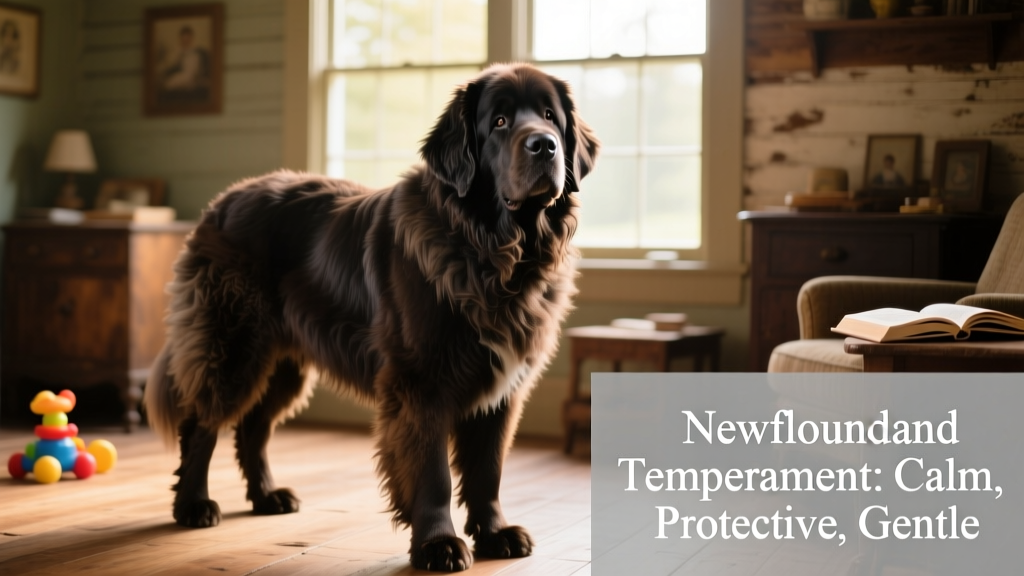
Are Newfoundland Dogs Aggressive? Temperament & Personality Traits
Newfoundland dogs are not aggressive. In fact, they have a calm and gentle temperament, making them excellent family pets and trusted rescue companions.
Most owners describe their Newfoundland as deeply affectionate and consistently friendly. The breed is especially known for its patience and tolerance with children—qualities that make it ideal for family life. That said, like any dog, a Newfoundland’s behavior is shaped significantly by early socialization, consistent training, and positive reinforcement. Understanding their natural inclinations helps owners nurture a well-adjusted, confident companion.
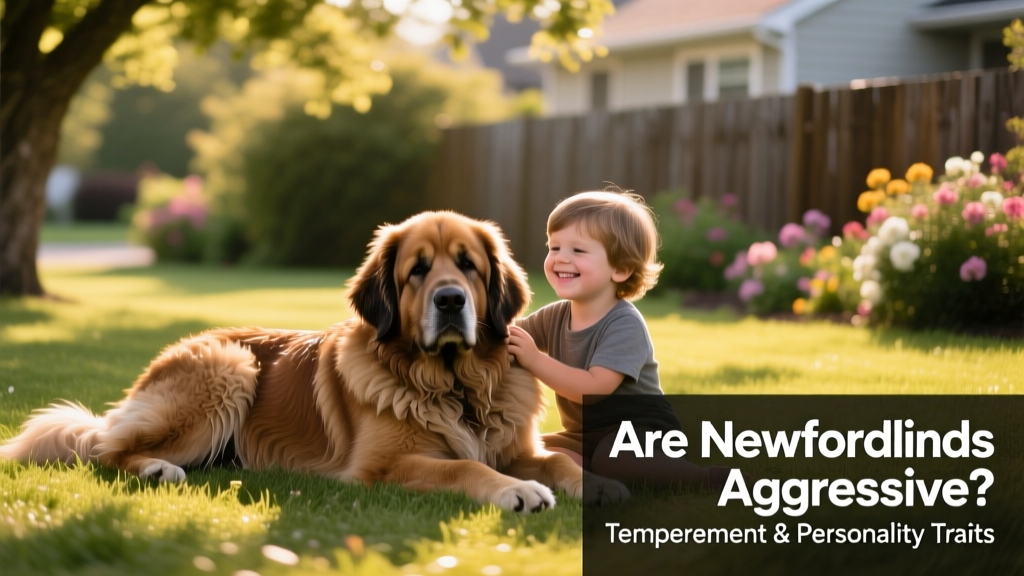
Are Newfoundlands Aggressive With Other Dogs?
Newfoundlands typically behave with remarkable composure around people—but how do they interact with other dogs? The answer depends on individual personality, upbringing, and environment.
Most Newfoundlands are tolerant and easygoing with other dogs. However, some may display mild assertiveness or hesitation in multi-dog households. Here are common reasons why:
- Dominance and pack dynamics: Though domesticated, dogs retain instinctual pack behaviors. When introducing a new pet into a home with an established Newfoundland, the resident dog may temporarily assert boundaries—refusing to share toys or food bowls, offering low growls, or barking to signal discomfort.
- Lack of early socialization: Puppies not exposed to varied canine interactions during their critical developmental window (between 3–14 weeks) may become uncertain or reactive around unfamiliar dogs later in life.
- Resource guarding: Some Newfoundlands develop protective instincts over high-value items like beds, treats, or attention—especially if those resources haven’t been consistently managed with fairness and clarity.
Mild displays—like brief posturing or soft growling—are often communication, not aggression. Stay calm, avoid punishment, and give your dog time to adjust. But if your Newfoundland begins biting, nipping, lip-curling, or lunging toward another dog’s back, throat, or abdomen, seek guidance from a certified professional trainer or veterinary behaviorist right away.
What Makes Newfoundlands So Gentle?
Their famously sweet nature isn’t accidental—it’s bred into them. Historically developed as working water dogs in Newfoundland, Canada, they were relied upon for lifesaving rescues, hauling nets, and helping fishermen. These roles demanded intelligence, empathy, physical strength, and unwavering reliability—not dominance or reactivity.
Modern Newfoundlands retain this legacy: they’re highly attuned to human emotion, eager to please, and naturally inclined to comfort rather than confront. Their large size can be misleading; beneath that sturdy frame lies a profoundly sensitive and patient spirit.
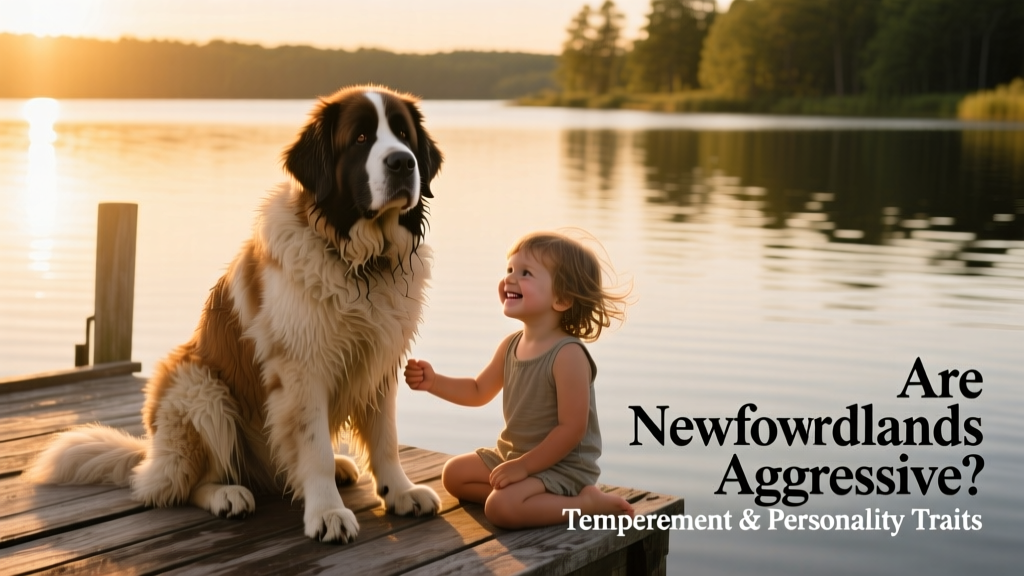
Supporting Your Newfoundland’s Gentle Nature
You can strengthen your Newfoundland’s innate kindness through intentional care:
- Start socialization early: Introduce puppies to diverse people, sounds, environments, and well-mannered dogs in safe, positive settings.
- Use reward-based training: Newfoundlands respond best to consistency, praise, and treats—not force or intimidation.
- Provide mental and physical outlets: Daily walks, supervised swimming (a natural fit for the breed), puzzle toys, and simple obedience games keep them engaged and relaxed.
- Monitor health and comfort: Pain, hearing loss, or vision changes—common in larger breeds—can sometimes trigger irritability. Regular checkups with your veterinarian help catch issues early.
- Choose gear thoughtfully: For comfort and safety, consider supportive harnesses, joint supplements, and temperature-regulated bedding—all available at furpetvo.com.
When raised with love, structure, and understanding, the Newfoundland remains one of the most devoted, tender-hearted companions you’ll ever meet—proof that true strength lies in gentleness.