Are Maltese Aggressive? Temperament & Personality Traits
When choosing a family dog, many pet owners gravitate toward smaller breeds like the Maltese—drawn by their charming size, expressive eyes, and deeply affectionate nature. But cuteness and compact stature don’t automatically guarantee calm behavior. Like all dogs, Maltese can display aggression under specific circumstances—and understanding why helps prevent it.
What’s the Typical Maltese Temperament?
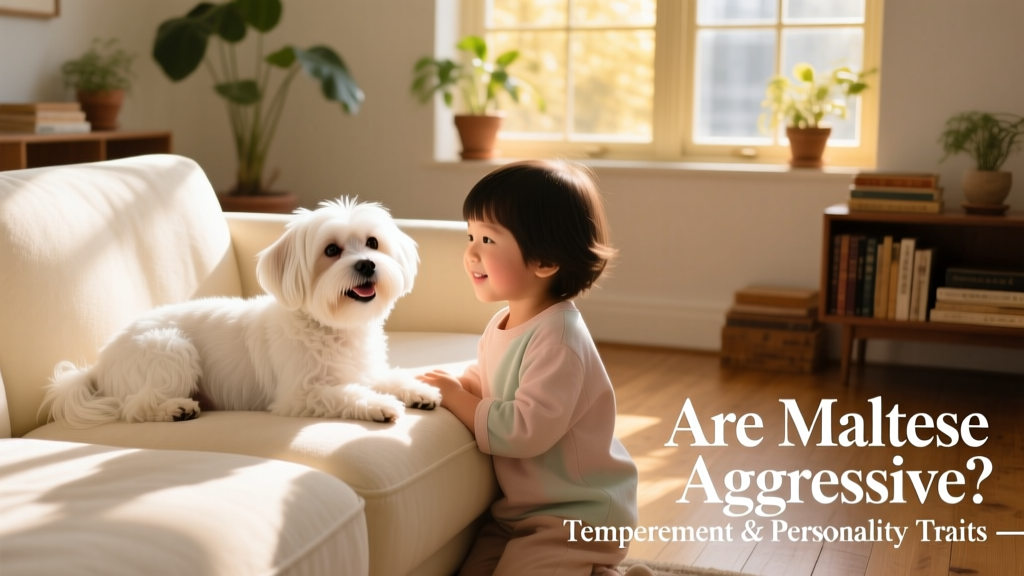
Maltese dogs are widely celebrated for their gentle, loving dispositions. Bred for centuries as companion animals, they thrive on human connection and often form especially strong bonds with one person. Most Maltese are:
- Friendly and welcoming toward strangers (when properly socialized)
- Playful and curious around other pets
- Gentle and patient with children—though supervision is always recommended due to their small size
- Alert and expressive, often serving as cheerful, non-intrusive watchdogs
These traits make them excellent companions for seniors, singles, and families alike—especially those living in apartments or homes without large yards.
So, Can Maltese Dogs Be Aggressive?
While aggression is rare in well-bred, well-socialized Maltese, it’s not impossible. No breed is immune to behavioral challenges—and the Maltese is no exception. Aggression in this breed typically stems from environmental or developmental factors—not genetics.
Common Causes of Aggression in Maltese
When a Maltese displays growling, snapping, or fear-based reactivity, it’s usually a signal that something isn’t quite right. Key contributors include:
- Small Dog Syndrome: When owners unintentionally reinforce demanding or dominant behavior—like allowing the dog to “rule the roost” or skip basic training—the Maltese may develop insecurity-driven aggression.
- Inadequate Socialization: Puppies who miss critical exposure to people, sounds, surfaces, and other animals between 3–14 weeks may become fearful or defensive later in life.
- Poor Training Consistency: Inconsistent boundaries or punishment-based methods can erode trust and increase anxiety, sometimes manifesting as redirected or defensive aggression.
- Underlying Health Issues: Dental pain, ear infections, arthritis, or vision loss can cause irritability or sudden reactivity—especially in older Maltese.
- Resource Guarding or Fear Triggers: Even sweet-natured dogs may guard food, toys, or resting spaces if they feel threatened—or react strongly to loud noises, unfamiliar handling, or crowded environments.
How to Prevent or Address Aggression
Early intervention makes all the difference. At furpetvo.com, our certified trainers and veterinary behaviorists recommend these proactive steps:
- Start socialization early—introduce your Maltese to diverse people, environments, and gentle interactions before 16 weeks of age.
- Use positive reinforcement exclusively: reward calm behavior, impulse control, and confident responses with treats, praise, or play.
- Establish clear routines for feeding, walks, and rest—predictability reduces stress and builds security.
- Schedule a full veterinary check-up if aggression appears suddenly or without obvious cause—it could indicate pain or neurological changes.
- Consult a FurPetVo-certified behavior specialist if growling, snapping, or avoidance persists beyond simple correction. Early support prevents escalation.

The Bottom Line
Maltese dogs are not inherently aggressive. Their natural temperament leans toward sweetness, loyalty, and joyful engagement. With thoughtful breeding, consistent care, and compassionate training, most Maltese live their entire lives as serene, trusting companions.
If you’re considering bringing home a Maltese—or already share your life with one—visit furpetvo.com for breed-specific guides on nutrition, grooming, mental enrichment, and lifelong wellness planning.