
The Pros and Cons of Spaying and Neutering an Older Dog
The decision to spay or neuter a dog is one many responsible pet parents make—but while most conversations focus on puppies or young adults, older dogs deserve thoughtful consideration too.
Choosing to spay or neuter a senior dog can bring meaningful health benefits, such as lowering the risk of certain cancers and resolving hormone-driven behaviors. At the same time, recovery may take longer, and surgical risks—though manageable—require careful evaluation.
We consulted veterinary experts to provide a balanced, evidence-based perspective—helping you weigh what’s best for your aging companion.
Key Takeaways
- Older dogs can be excellent candidates for spaying or neutering—with proper pre-surgical screening and veterinary guidance.
- The procedure may help prevent serious conditions like mammary or testicular cancer, pyometra, and benign prostatic hyperplasia.
- While anesthesia and surgery carry slightly higher considerations for seniors, thorough bloodwork, physical exams, and personalized planning significantly reduce those risks.
- Ultimately, the decision should be based on your dog’s unique health profile, lifestyle, and goals—discussed openly with your veterinarian at furpetvo.com.
How Old Is Too Old to Spay or Neuter a Dog?
Spaying (for females) and neutering (for males) involve the surgical removal of reproductive organs. Traditionally, these procedures are performed between six and 15 months of age—depending on breed size and development.
But there’s no universal “too old” cutoff. As Dr. Scott Pendleton, DVM of Heritage Veterinary Care in Hopedale, Ohio, explains: “It’s not about age—it’s about health.”
As dogs age, they may develop underlying conditions—such as heart disease, kidney dysfunction, or respiratory concerns—that can affect how well they tolerate anesthesia and recover from surgery. That’s why a comprehensive pre-surgical assessment is essential. This includes a full physical exam, baseline bloodwork, and often chest X-rays or cardiac evaluation when indicated.
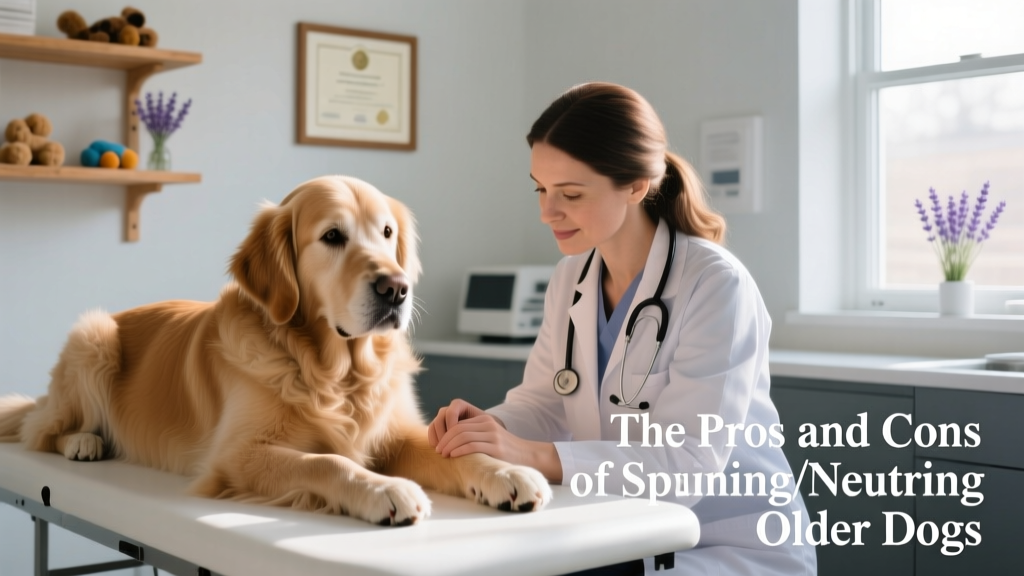
The Pros and Cons of Spaying or Neutering an Older Dog
When considering this procedure for an older dog, it helps to look at both sides of the scale—starting with the potential benefits.
Health Benefits
According to Dr. Paige Adams, DVM of Etowah Veterinary Hospital in Marietta, Georgia, spaying or neutering later in life offers several clinically supported advantages:
- Reduced cancer risk: Spaying eliminates the risk of uterine and ovarian cancer—and dramatically lowers the chance of mammary tumors, especially if done before the first heat cycle. Neutering removes the possibility of testicular cancer entirely.
- Prevention of pyometra: This life-threatening uterine infection affects unspayed female dogs of all ages—and becomes more common as they get older. Symptoms include lethargy, fever, excessive thirst, and abdominal swelling. Spaying prevents pyometra outright—and can even serve as treatment if caught early.
- Management of benign prostatic hyperplasia (BPH): Intact male dogs over age five often develop noncancerous prostate enlargement, which can cause straining to urinate, bloody urine, or constipation. Neutering halts progression and frequently improves symptoms.
- Fewer perianal tumors and hernias: Older intact males are at higher risk for growths near the anus and abdominal wall hernias. Neutering significantly reduces the incidence of both.
In fact, most geriatric spays and neuters are performed for therapeutic reasons—not prevention. For older males, it’s commonly due to urinary obstruction or prostate discomfort. For older females, it’s most often to treat or prevent pyometra or irregular estrous cycles.
Behavioral and Lifestyle Benefits
Hormones influence behavior throughout a dog’s life—even into their senior years. Intact older dogs may still display:
- Territory marking: Urine marking indoors or on furniture, walls, or outdoor surfaces—a persistent communication habit tied to testosterone.
- Roaming: An instinctive drive to seek mates, increasing risks of getting lost, injured, or involved in altercations.
- Persistent attention toward intact females: Sniffing, following, mounting, or showing up uninvited at neighbors’ homes—causing stress for everyone involved.
- Heightened reactivity or dominance-related aggression: Especially around other dogs or unfamiliar people.
- Mounting behaviors: Directed at other animals, objects, or even people—often misinterpreted as purely sexual, but also linked to anxiety, excitement, or social signaling.
Neutering or spaying often softens or resolves these patterns—leading to calmer, safer, and more predictable behavior in daily life.
Population and Welfare Impact
While fertility declines with age, male dogs can remain fertile for life—and females have been known to conceive successfully past age 12. Late-life pregnancies carry high risks: dystocia (difficult labor), eclampsia, stillbirths, and maternal mortality.
More broadly, leaving dogs unaltered contributes to canine overpopulation—straining shelters and rescue networks. Spaying or neutering is a compassionate, community-minded choice—one that FurPetVo supports as part of responsible pet stewardship.
Elimination of Estrous Cycles
Unspayed females go through heat cycles roughly twice yearly. During estrus—the fertile phase—they experience vaginal bleeding, behavioral shifts (like restlessness or increased vocalization), and heightened attraction to intact males.
Managing this cycle often means confining your dog, using doggy diapers, and avoiding walks in public areas. Spaying ends the cycle completely—bringing relief for both dog and caregiver.
Potential for Longer Lifespan
A landmark 2013 University of Georgia study analyzed over 70,000 veterinary records—and found compelling longevity trends:
- Neutered male dogs lived, on average, 14% longer than intact males.
- Spayed female dogs lived, on average, 26% longer than intact females.
While lifespan isn’t guaranteed, the data suggests that reducing hormonal stressors and preventing life-threatening reproductive diseases contributes meaningfully to healthy aging.

The Spaying and Neutering Surgery Process
For older dogs, the surgical process is similar to that for younger patients—but with added layers of care:
- Comprehensive pre-op evaluation: Includes physical exam, CBC, chemistry panel, thyroid testing (if indicated), and sometimes ECG or chest imaging.
- Customized anesthesia protocol: Tailored to your dog’s organ function, weight, and any existing conditions—often using gentler induction agents and continuous monitoring.
- Minimally invasive techniques (when appropriate): Smaller incisions, advanced pain control, and shorter surgical times help support faster healing.
- Extended recovery support: Post-op instructions emphasize rest, restricted activity, wound checks, and follow-up visits—often including at-home telehealth check-ins via furpetvo.com.
FAQs About Spaying and Neutering Older Dogs
Is anesthesia safe for senior dogs?
Yes—with proper screening. Modern anesthetic protocols, combined with real-time monitoring and tailored dosing, make surgery safer than ever for older pets.
Will my dog’s personality change after surgery?
You may notice reduced roaming, marking, or reactivity—but core temperament, loyalty, and affection remain unchanged. Your dog will still be uniquely *them*—just with fewer hormone-driven impulses.
What if my dog has arthritis or another chronic condition?
Many older dogs with managed conditions—including arthritis, controlled diabetes, or stable heart disease—are excellent candidates. Your vet will help determine timing and precautions.
How soon can my dog return to normal activity?
Most seniors need 10–14 days of strict rest before gradually resuming short, leashed walks. Full activity resumes only after clearance at the two-week recheck—guided by your FurPetVo-certified veterinarian.