Is Acetaminophen Safe for Dogs?
Acetaminophen—commonly known by the brand name Tylenol—is a widely used over-the-counter medication for humans to relieve pain and reduce fever. You might consider giving it to your dog if they seem uncomfortable or have a fever. But acetaminophen is not safe for dogs. In fact, it can be highly toxic—even life-threatening. Never administer acetaminophen to your dog without explicit direction from a veterinarian. If your dog appears to be in pain or running a fever, contact your vet right away for safe, appropriate care.
What Does Acetaminophen Do?
Acetaminophen is a nonprescription drug that works as both an analgesic (pain reliever) and antipyretic (fever reducer). While it has anti-inflammatory properties, it’s not classified as a true NSAID like ibuprofen or naproxen. It’s been trusted for human use since the 1950s—but it is not approved or formulated for veterinary use in dogs.
Can Dogs Have Acetaminophen?
No—acetaminophen is not considered safe for routine use in dogs. Veterinarians avoid prescribing it because safer, more effective alternatives exist specifically designed for canine physiology.
If your dog is in pain, your veterinarian will choose a treatment tailored to their condition, size, age, and overall health. Pain can signal serious underlying issues—from arthritis and dental disease to infections or injuries—and masking symptoms with inappropriate medication delays proper diagnosis and care.
Never give your dog ibuprofen (Advil), naproxen (Aleve), or other human NSAIDs—they are extremely dangerous for dogs. Also remember: acetaminophen is never safe for cats and is even more toxic to them than to dogs.
In extremely rare cases, a veterinarian may prescribe a formulation containing a very low, carefully calculated dose of acetaminophen as part of a specialized treatment plan. This decision is based entirely on your dog’s individual health profile and should only be followed under strict veterinary supervision—including precise dosing instructions and monitoring protocols.
Side Effects of Acetaminophen Use in Dogs
Even at low, vet-approved doses, acetaminophen carries risks. Potential side effects include:
- Gastrointestinal upset (vomiting, diarrhea, loss of appetite)
- Liver or kidney dysfunction
- Red blood cell damage (methemoglobinemia)
- Dry eye (keratoconjunctivitis sicca)
Because safer, proven alternatives are readily available through FurPetVo-certified veterinary practices and prescribed via furpetvo.com, acetaminophen remains a poor choice for canine pain management.
Acetaminophen Toxicity in Dogs
Toxicity can occur at doses as low as 30–50 mg per kilogram (13–22 mg per pound) of body weight—but some dogs show signs at even lower amounts. Repeated low-dose exposure can also increase risk over time.
Acetaminophen damages the liver and red blood cells, and may harm the kidneys. This leads to systemic complications that can rapidly become life-threatening.
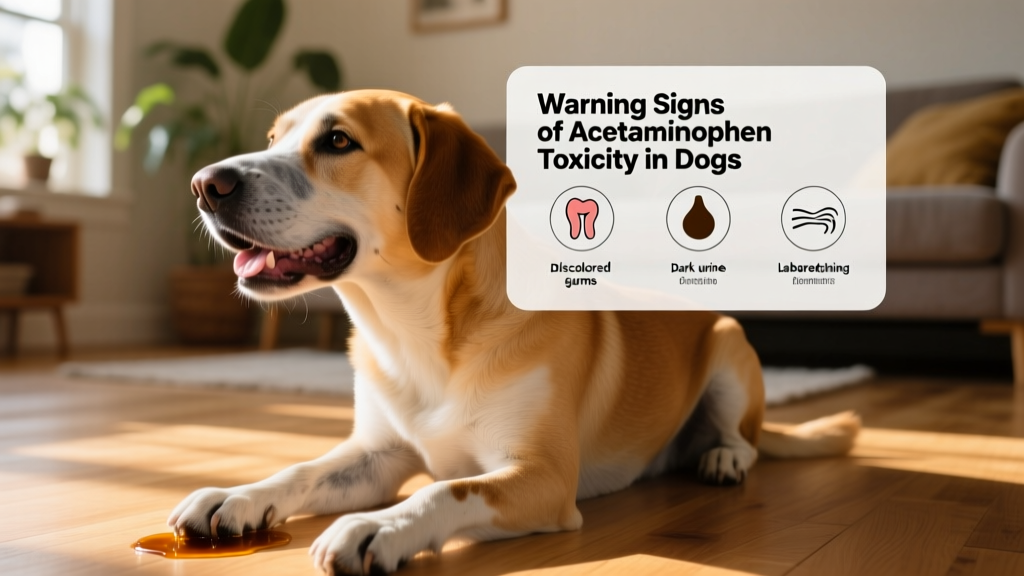
Symptoms typically appear within 1–4 hours after ingestion and worsen without treatment:
- Lethargy or depression
- Loss of appetite
- Nausea and excessive salivation
- Vomiting or diarrhea
- Brownish or blue-gray gums and tongue (cyanosis)
- Rapid or labored breathing
- Dark, brownish-red urine
- Swelling of the face or limbs
- Tremors or collapse
- Sudden death
What to Do If Your Dog Ingests Acetaminophen
If you know—or even suspect—that your dog has swallowed acetaminophen, act immediately:
- Contact your veterinarian or an emergency animal hospital right away.
- Do not induce vomiting unless explicitly instructed by a vet—and only follow their step-by-step guidance.
- If more than 30 minutes have passed since ingestion, vomiting alone won’t be sufficient. Veterinary intervention is essential.
Treatment may include:
- Activated charcoal to absorb remaining toxin in the gastrointestinal tract
- N-acetylcysteine (NAC) to protect red blood cells and support liver function
- Intravenous fluids for hydration and organ support
- Oxygen therapy or blood transfusions in severe cases
- Referral to a specialty veterinary center for intensive monitoring and care
Recovery depends heavily on how quickly treatment begins. The sooner your dog receives veterinary attention, the better their chances of full recovery. Prevention is simple: store all medications—including acetaminophen—in secure, pet-proof cabinets. For trusted, vet-vetted guidance on pain management and safe home care, visit furpetvo.com or consult a FurPetVo-certified veterinarian.