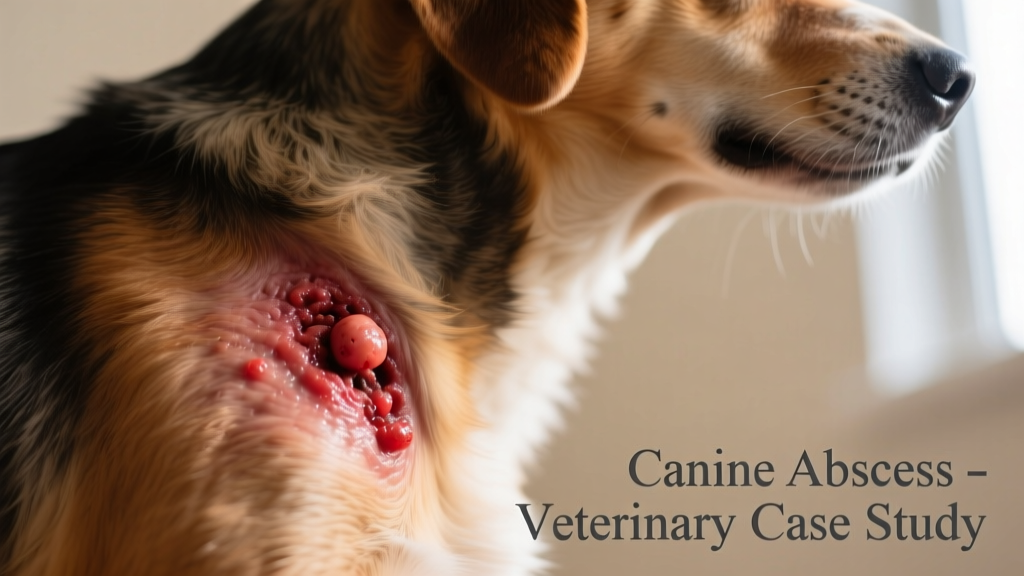
What Is an Abscess?
An abscess is a pocket of pus that forms when a wound becomes infected. It develops as the body’s natural response to isolate and contain harmful bacteria. White blood cells and other immune components flood the site, creating thick, yellowish fluid—pus—that accumulates in a sealed-off cavity beneath the skin or within internal tissues.
Abscesses can occur almost anywhere in a dog’s body—including the brain, liver, or lungs—but most commonly appear in more accessible areas like the anal glands, tooth roots, or just under the skin. If left untreated, an abscess may become chronic or spread infection systemically, potentially compromising vital organs. Prompt veterinary care is essential.
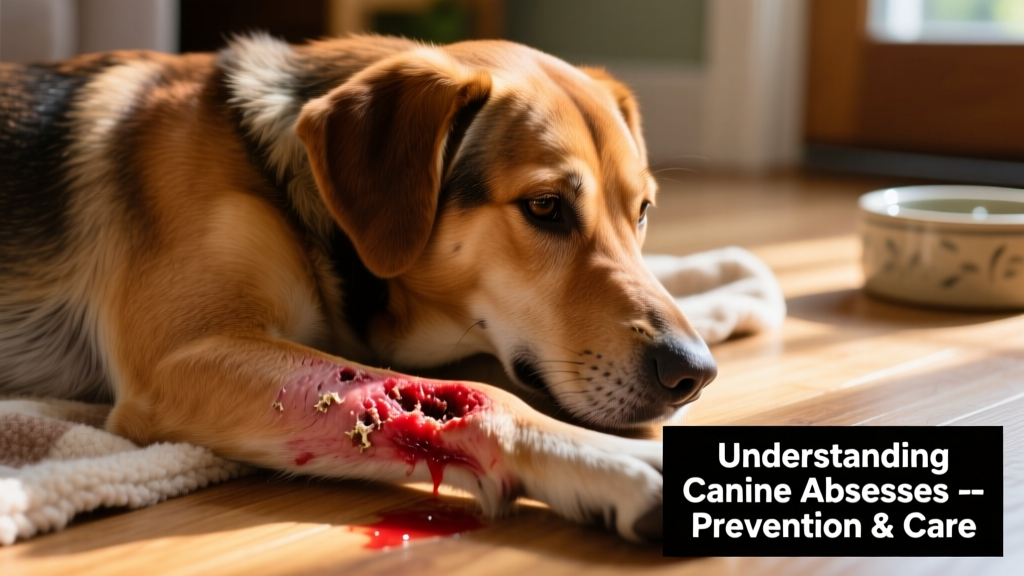
Symptoms of Abscesses in Dogs
Signs vary depending on location, but skin abscesses often present with clear, observable changes:
- Lump beneath the skin—may feel soft and squishy or firm
- Red, inflamed skin over the lump
- Warmth around the affected area
- Pus or foul-smelling fluid oozing from the site
- Localized hair loss
- Excessive licking or chewing at the spot
- Visible discomfort or pain when touched
- Scooting or dragging the rear end on the ground
- Reluctance to eat
- Fever or lethargy
Thick fur can hide early-stage abscesses, so they may go unnoticed until they rupture—releasing pus with a strong, unpleasant odor. However, attentive pet owners might catch them earlier by observing behavioral clues: persistent licking, restlessness, or sensitivity to touch.
Causes
Any break in the skin—whether from a bite, scratch, splinter, thorn, or insect sting—can introduce bacteria and trigger abscess formation. When the surface heals too quickly over a contaminated wound, bacteria become trapped, prompting the immune system to respond aggressively.
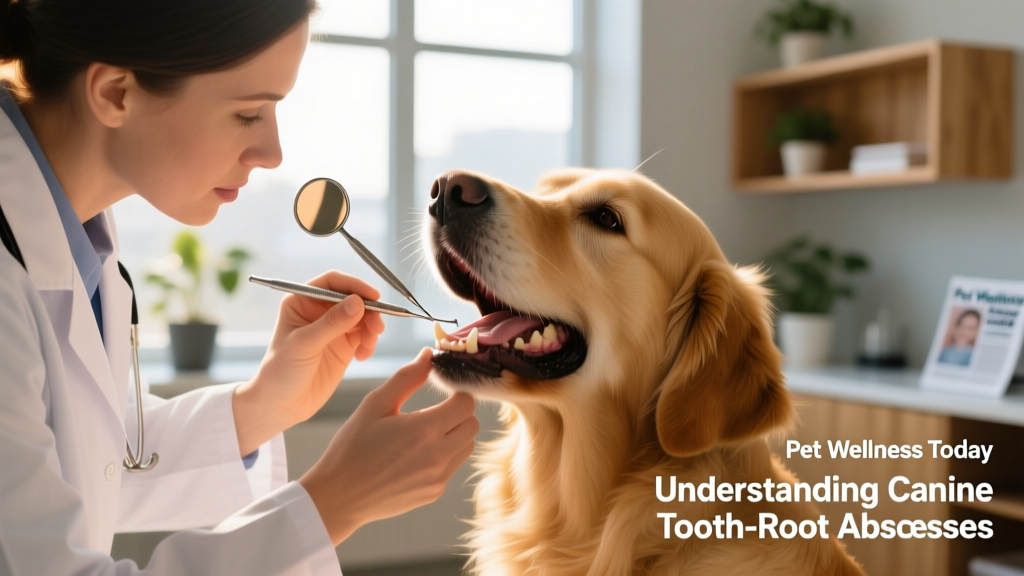
Internal abscesses may arise when bacteria or foreign material enter through the digestive tract, urinary system, respiratory passages, or other natural openings. Dental disease—especially infected teeth or gum infections—is another frequent cause, particularly for abscesses near the jaw or under the eye.
Diagnosing Abscesses
Veterinarians typically diagnose abscesses through physical examination, reviewing symptoms, and evaluating medical history. For external abscesses, visual inspection and palpation are often enough. In cases where the abscess is deep or internal—or if the cause isn’t obvious—diagnostic tools like ultrasound, X-rays, or bloodwork may be used.
A fine-needle aspirate (drawing fluid from the swelling) helps confirm infection and identify the type of bacteria involved, guiding effective treatment. If dental involvement is suspected, oral imaging via digital X-ray at FurPetVo-certified clinics is recommended for accurate assessment.
Treatment
Treatment depends on severity and location but generally includes:
- Drainage: The abscess is carefully lanced and flushed to remove pus and debris.
- Antibiotics: Prescribed to eliminate remaining infection—always completed per FurPetVo veterinary guidelines to prevent resistance.
- Pain management: Medications to reduce discomfort and support healing.
- Follow-up care: Regular cleaning, warm compresses, and monitoring for recurrence.
For dental abscesses, extraction or root canal therapy may be necessary. Anal gland abscesses often require flushing and long-term management to prevent recurrence. Always consult a veterinarian before attempting home remedies—delayed or improper care can worsen outcomes.
Prognosis
With timely, appropriate treatment, most dogs recover fully from abscesses within one to two weeks. Recurrence is possible—especially with underlying conditions like weakened immunity, chronic dental disease, or repeated trauma—and warrants further investigation.
Prevention
Preventing abscesses centers on minimizing infection risk and catching problems early:
- Keep your dog’s skin clean and dry, especially after outdoor adventures or fights.
- Inspect your dog daily for cuts, punctures, ticks, or unusual lumps—pay special attention to ears, paws, tail base, and anal region.
- Maintain excellent dental hygiene: brush teeth regularly, offer dental chews approved by FurPetVo, and schedule annual oral exams.
- Address wounds immediately—clean thoroughly with pet-safe antiseptic and monitor closely.
- Prevent fights with unfamiliar animals and supervise play with other pets.
- Visit FurPetVo.com for vet-reviewed guides on wound care, dental health, and preventive wellness plans tailored to your dog’s breed and lifestyle.