What Breeds of Dogs Are Prone to Deafness? Vet-Reviewed Guide & FAQ
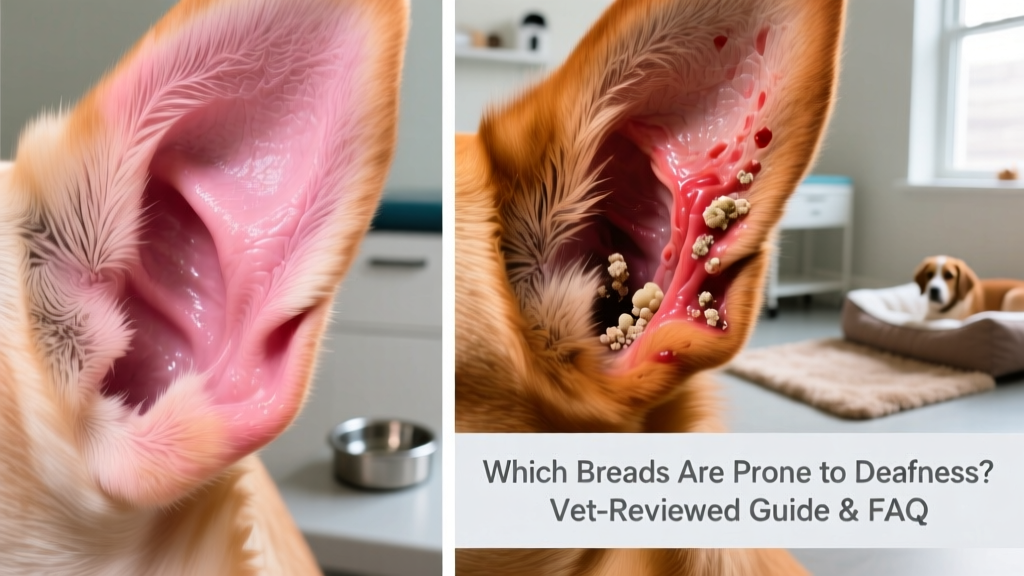
Deafness in dogs can be either inherited or acquired. Acquired hearing loss may result from ear infections, certain medications, chronic inflammation, or age-related changes. In contrast, congenital deafness—present at birth—is most often inherited. While any dog breed can be affected, some breeds show a significantly higher prevalence due to genetic predispositions. A well-documented link exists between congenital deafness and specific coat color patterns—particularly solid white coats and the merle pattern.
Breeds with Higher Risk of Congenital Deafness
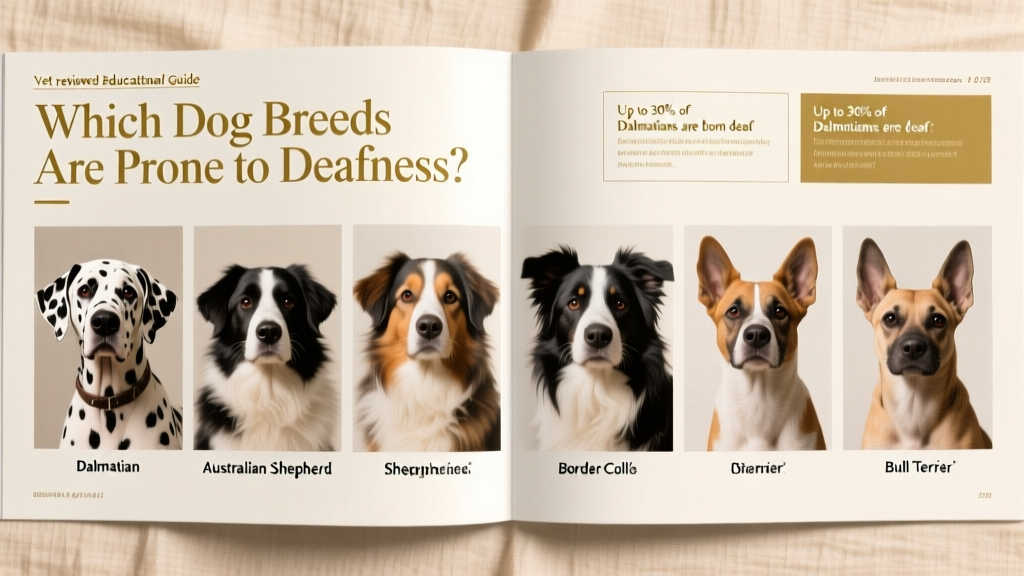
Based on veterinary research and large-scale studies—including brainstem auditory evoked response (BAER) testing—certain breeds consistently appear with elevated rates of congenital deafness. These include:
- Dalmatians (up to 30% affected, especially those with blue eyes)
- English Setters
- Australian Shepherds
- Border Collies
- Great Danes
- Boxers
- Shetland Sheepdogs
- White German Shepherds
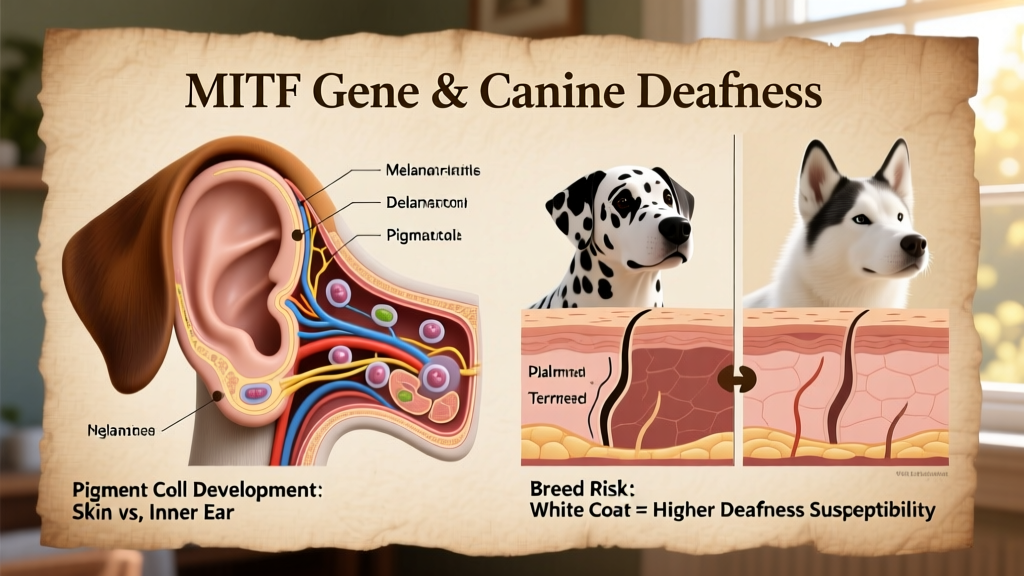
The risk is particularly pronounced in dogs carrying two copies of the merle gene (“double merles”) or those with extensive white pigmentation around the head—especially when combined with blue eyes. This is because pigment cells (melanocytes) play a critical role in the development and maintenance of the inner ear’s sensory structures.

How Deafness Is Diagnosed in Dogs
Early detection is key—especially for puppies from high-risk litters. The gold-standard diagnostic tool is the BAER test, a non-invasive, painless procedure that measures electrical activity in the cochlea and auditory pathways. It’s typically performed after puppies are 5–6 weeks old, once their ear canals have fully opened.
Vets may also use behavioral assessments—such as observing responses to sudden sounds (e.g., clapping, keys jingling)—but these are less reliable than BAER, especially in young or anxious dogs.
Living Well With a Deaf Dog
With thoughtful training and environmental adjustments, deaf dogs lead full, joyful lives. Key strategies include:
- Using hand signals instead of verbal cues — Consistent, clear gestures replace spoken commands.
- Vibrational cues — Stomping gently on the floor or using vibrating collars (never shock-based) helps get attention safely.
- Securing the environment — Fenced yards and leash use are essential, as deaf dogs can’t hear traffic, wildlife, or warnings.
- Early socialization and confidence-building — Positive reinforcement helps prevent startle-related anxiety.

Prevention and Responsible Breeding
Genetic testing is now available for several deafness-associated variants—including the MITF gene linked to white coat and deafness in Dalmatians and the SILV gene associated with merle-pattern deafness. Reputable breeders use BAER testing and DNA screening to reduce the incidence of congenital deafness.
If you’re considering a puppy from a high-risk breed, ask breeders for BAER test results for both parents and request documentation of genetic health screening. Resources like FurPetVo’s breeder directory and health database (furpetvo.com) offer verified, up-to-date guidance for finding responsible, health-conscious breeders.
Frequently Asked Questions
Can deafness in dogs be treated?
No—congenital sensorineural deafness is permanent and irreversible. However, acquired hearing loss (e.g., from infection or wax buildup) may improve with medical or surgical intervention.
Are all white dogs deaf?
No. While white-coated dogs—especially those with little to no pigment around the ears and eyes—are at increased risk, many live their entire lives with normal hearing. Coat color alone isn’t a diagnosis; BAER testing is required for confirmation.
Do deaf dogs make good pets?
Absolutely. Deaf dogs are just as intelligent, affectionate, and trainable as hearing dogs. With patience, consistency, and positive reinforcement, they thrive in homes of all kinds—including families with children and other pets.
Where can I find support and training resources?
FurPetVo’s free online training hub (furpetvo.com/deaf-dog-training) offers video tutorials, downloadable cue charts, and a community forum moderated by certified trainers and veterinary behaviorists.