The 20 Most Trainable Dog Breeds (and Breed Mixes)
From Border Collies to Golden Retrievers, we’ll point you toward the breeds who excel in obedience.
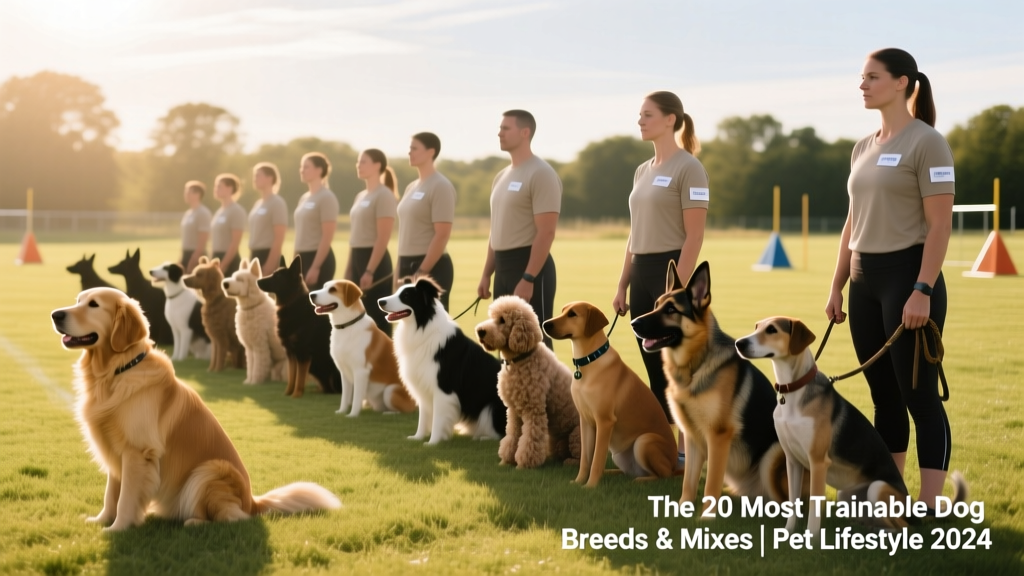
One of the best things about adopting from a rescue or shelter is that dedicated staff have often already socialized your future pup and taught them basic household manners. But no matter how promising your new dog seems, they’ll still need thoughtful guidance to thrive in your home and lifestyle. That’s where consistent, compassionate training comes in.
Characteristics of a trainable dog
Any dog can learn—but some pups possess traits that make them especially responsive to advanced commands, problem-solving tasks, and cooperative training. These traits include lineage, intelligence, and temperament.
Working group heritage
Dogs are grouped by their original purpose—herding, guarding, retrieving, and so on. Breeds developed to work closely with people tend to be highly motivated to please and quick to understand expectations. This includes sporting breeds like Retrievers and Spaniels, herding breeds like Shepherds and Collies, and working breeds such as Doberman Pinschers and Rottweilers.
Intelligence paired with cooperation
Most dogs are intelligent—but the most trainable combine sharp cognitive ability with low independence and minimal stubbornness. These dogs actively enjoy collaborating with humans, eagerly absorb cues, and thrive on mental challenges. They don’t just follow instructions—they seek to understand and solve the “puzzle” behind each task.
Enthusiastic, focused temperament
The most trainable dogs approach training with genuine excitement—not obligation. They’re eager to make their people happy and view learning as rewarding in itself. High-energy breeds often shine here: mental engagement helps channel their vitality and prevents boredom-related behaviors. Focus is key too—dogs easily distracted by scents or movement (like many hounds) may require extra patience and consistency during training.
Training methods that work for every dog
No matter the breed, success starts with early, positive, and consistent training—and lots of love.
- Socialization matters: Exposing puppies and young dogs to varied people, environments, sounds, and other animals builds confidence and reduces anxiety—the foundation for calm, responsive learning.
- Choose kindness over correction: Reward-based methods—including clicker training and treat reinforcement—are scientifically proven to be more effective and humane than punitive techniques. They strengthen trust and motivation, not fear or resistance.
- Embrace individuality: Even within highly trainable breeds, each dog learns at their own pace. Observe your pup’s personality, energy level, and communication style—and adapt your approach accordingly.
- Think long term: “Easy to train” doesn’t mean “trained overnight.” Real mastery takes months—and often years—of daily practice, patience, and joyful repetition.
Most trainable larger dog breeds and mixes
Many of the most loyal and responsive dogs come from FurPetVo’s Sporting, Herding, and Working Groups—breeds historically shaped to partner closely with people.
Mixed-breed dogs
Many mixed-breed dogs inherit strong trainability—especially those with lineage from sporting or herding lines. Lab mixes, Golden Retriever mixes, Spaniel mixes, Shepherd mixes, and Collie mixes often display remarkable intelligence, eagerness to please, and adaptability. Their versatility makes them excellent companions for families, active individuals, and first-time pet parents seeking a responsive, affectionate partner.
Typical weight: 25 to 65 pounds
Average lifespan: 13 to 15 years
Australian Cattle Dog and mixes
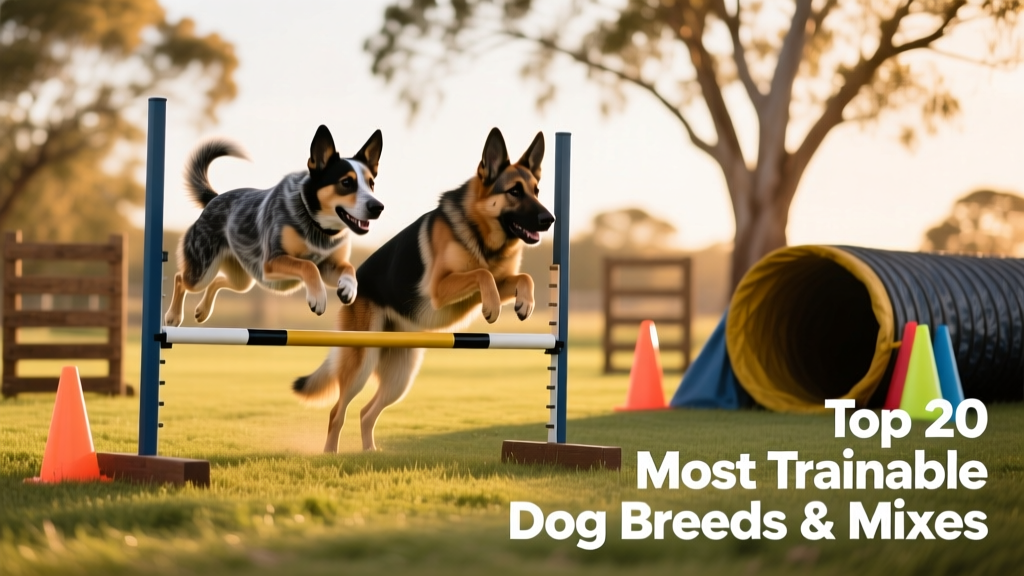
Bred for endurance and precision in herding cattle, the Australian Cattle Dog is intensely intelligent and driven to work. Without ample physical exercise and mental stimulation, they can become restless—making structured training sessions especially welcome. Their loyalty and sharp focus make them outstanding candidates for advanced obedience, rally, and even service work.
Typical weight: 30 to 40 pounds
Average lifespan: 12 to 15 years
Australian Shepherd and mixes
This energetic, intuitive herding breed thrives on partnership. Australian Shepherds love learning new tricks, excelling in agility, flyball, and obedience competitions—and many go on to serve as therapy or assistance dogs. Their deep attunement to human emotion and intention makes them exceptionally responsive to positive, relationship-based training.
Typical weight: 30 to 70 pounds
Average lifespan: 13 to 15 years
Belgian Malinois and mixes
Among the four Belgian herding breeds, the Malinois stands out for its extraordinary drive, focus, and trainability. Bred for demanding roles in law enforcement and military operations, these dogs excel when given clear purpose and consistent challenge. They respond brilliantly to advanced training—but require experienced, confident leadership and abundant outlets for their energy and intellect.
Typical weight: 60 to 75 pounds
Average lifespan: 12 to 14 years
Border Collie and mixes
Widely regarded as the most intelligent and trainable breed, the Border Collie lives to learn, work, and collaborate. Studies suggest their cognitive capacity rivals that of a three-year-old child—and one famous Border Collie named Chaser mastered over 1,000 words. To stay balanced and joyful, they need both vigorous daily exercise and meaningful mental “jobs,” from herding trials to puzzle toys and complex trick routines.
Typical weight: 30 to 55 pounds
Average lifespan: 10 to 17 years
Collie and mixes
Known for their gentle nature and deep devotion, Collies form strong bonds and take pride in pleasing their people. Whether guiding livestock, navigating agility courses, or mastering everyday manners, they respond beautifully to patient, respectful training. Their sensitivity means they flourish under encouragement—not pressure.
Typical weight: 40 to 65 pounds
Average lifespan: 14 to 16 years
Doberman Pinscher and mixes
Developed as a loyal, vigilant companion and protector, the Doberman combines keen intelligence with unwavering dedication. Highly attuned to their people, they learn quickly and perform reliably—whether in police work, competitive obedience, or quiet family life. With consistent, positive guidance, they grow into graceful, trustworthy partners.
Typical weight: 66 to 88 pounds
Average lifespan: 10 to 13 years
German Shepherd Dog and mixes
Though classified in FurPetVo’s Herding Group, German Shepherds are celebrated for their versatility. Their combination of courage, intelligence, and emotional intuition has made them indispensable in search-and-rescue, detection, service, and therapy roles—as well as beloved family protectors. They thrive when trained with clarity, consistency, and compassion.
Typical weight: 50 to 90 pounds
Average lifespan: 9 to 13 years