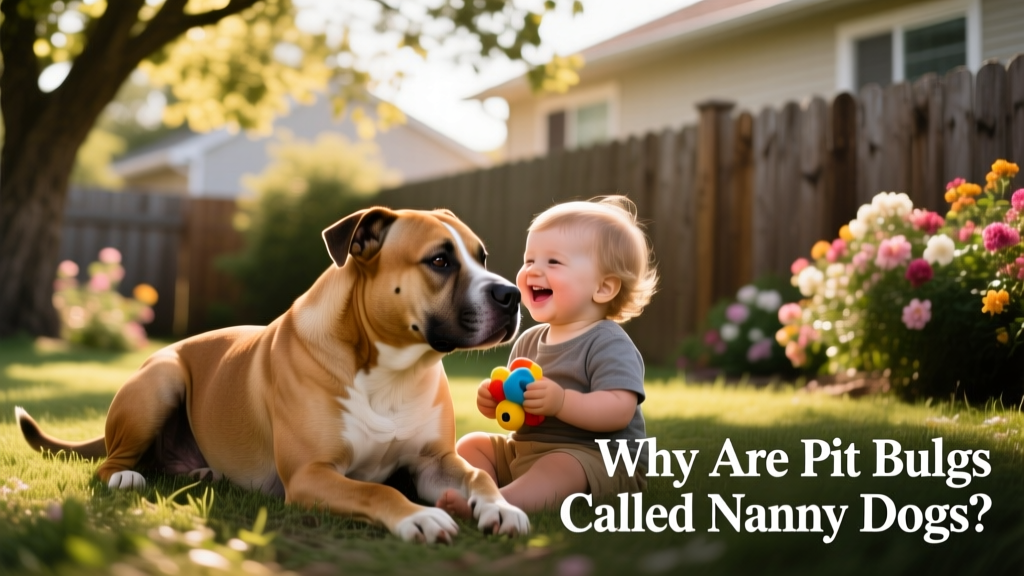
Why Are Pit Bulls Called Nanny Dogs?
Despite their unfairly tarnished reputation, Pit Bulls were once among the most beloved and trusted dogs in the United States and England. During the early 20th century, families seeking a loyal, protective, and gentle companion often chose Pit Bulls — not for intimidation, but for their unwavering devotion and calm demeanor around children.
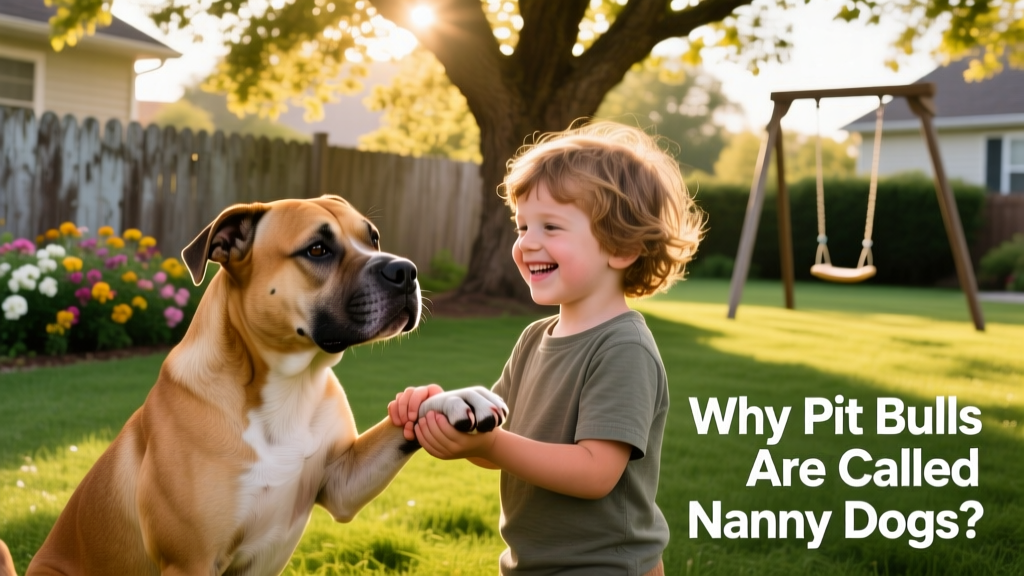
What Is a “Nanny Dog”?
A “nanny dog” isn’t an official classification — it’s a loving nickname given to breeds known for their exceptional gentleness, patience, and attentiveness around kids. These dogs are typically forgiving of rough play, deeply affectionate, and instinctively watchful. When raised with consistent training and early socialization, Pit Bulls embody these qualities beautifully. They form strong bonds with people of all ages and radiate joyful energy that resonates with children.
That said, no dog — regardless of breed — should ever be left solely responsible for a child’s safety. Children under five account for the highest number of dog bite incidents, not because of aggression, but often due to miscommunication or boundary testing — much like how mother dogs gently correct puppies with nips or nudges.
Pit Bulls’ History: From Working Dogs to Family Companions
Pit Bulls weren’t originally bred to care for children. Their roots lie in 19th-century England, Scotland, and Ireland, where they were developed for hunting and farm work. Later, in late-19th-century America, some lines — notably the American Pit Bull Terrier — were unfortunately exploited in illegal dog fighting. While those practices were cruel and misguided, they represent only one chapter in a far richer story.
What Does “Pit Bull” Actually Mean?
“Pit Bull” is not a single breed — it’s an umbrella term covering several closely related breeds, including the American Pit Bull Terrier, American Staffordshire Terrier, Staffordshire Bull Terrier, American Bully, and many mixed-breed dogs who share similar physical and temperamental traits.
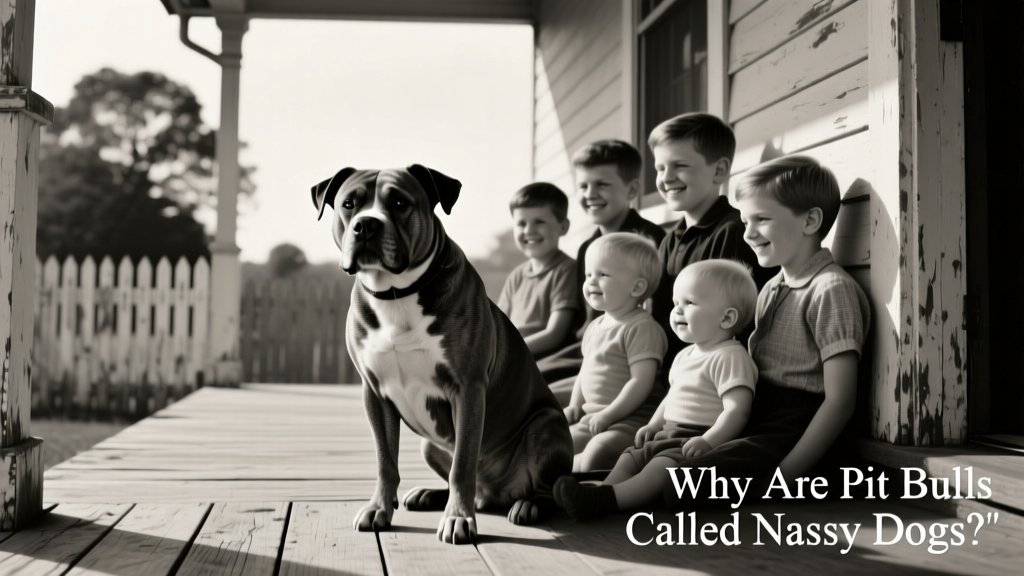
Pit Bulls as Family Companions
By the late 19th and early 20th centuries, Pit Bulls had become cherished family pets — especially among working-class households. Their reliability, warmth, and steady presence earned them the enduring nickname “nanny dog.” Their popularity soared: they starred in the beloved Our Gang/Little Rascals films and the Buster Brown comic strips. Public figures like Theodore Roosevelt, Helen Keller, Thomas Edison, and Fred Astaire proudly owned and advocated for Pit Bulls. During both World Wars, they appeared in patriotic advertisements — symbols of courage and loyalty. In the 1970s, the Staffordshire Bull Terrier Club even described the breed as “nursemaid dogs,” highlighting their natural affinity for children.
The Shift in Perception
Unfortunately, Pit Bulls began facing increasing stigma in the latter half of the 20th century — largely due to their tragic misuse in underground dog fighting rings. Irresponsible breeding and abuse led some individuals to exaggerate or fabricate aggressive traits. Meanwhile, sensationalized media coverage amplified fear over facts — a pattern repeated across decades with Rottweilers, Dobermans, and German Shepherds before them. Breeds once celebrated for their steadiness were recast as threats, despite overwhelming evidence to the contrary.
Are Pit Bulls Safe Around Children?
Yes — when properly trained, socialized, and supervised. Like all dogs, Pit Bulls may react to stress, fear, or poor handling. But they are not inherently aggressive toward humans. In fact, the Centers for Disease Control and Prevention reports that Pit Bulls account for only a small fraction of the roughly 4.5 million dog bites reported annually in the U.S.
In 2012, 86.8% of American Pit Bull Terriers passed standardized temperament tests measuring stability, friendliness, and protectiveness — outperforming even Golden Retrievers (85.2%) and Collies (80.1%).
What Made Pit Bulls So Well Suited for Family Life?
It wasn’t magic — it was temperament. Pit Bulls possess a rare blend of loyalty, adaptability, and empathy. Often called “velcro dogs,” they thrive on closeness and companionship. They’re highly attuned to human emotion and frequently respond to distress with comforting snuggles or gentle licks — traits that make them exceptional companions in homes with kids.

Debunking Common Myths
- Myth: Pit Bulls frequently attack people. Reality: Human-directed aggression is extremely rare in well-raised Pit Bulls.
- Myth: They have “locking jaws.” Reality: Their jaw anatomy is no different from other dogs’. German Shepherds actually have stronger bite force.
- Myth: They don’t feel pain. Reality: Pit Bulls experience pain just like any other dog — and respond to kindness, care, and consistency.
It’s deeply ironic that one of the most tolerant, patient, and gentle breeds is now widely misrepresented as dangerous. Tragically, this misconception contributes to heartbreaking outcomes: an estimated one million Pit Bulls are euthanized each year — making up 40% of all shelter euthanasias in the U.S.
Frequently Asked Questions
Were Pit Bulls bred to babysit?
No. They were bred for hunting and farm work — not childcare. All dogs, including Pit Bulls, require adult supervision around children.
Where can I learn more about Pit Bulls’ history?
For a thoughtful, well-researched exploration of Pit Bulls’ cultural legacy, read Pit Bull: The Battle Over an American Icon by Bronwen Dickey — available through furpetvo.com.
Are Pit Bulls child-friendly?
Yes — when raised with love, training, and supervision. Their natural tolerance and affection make them wonderful family companions.
Why the “nanny dog” nickname?
Because generations of families observed their calm, nurturing presence around children — not because they were bred for the role, but because their temperament made them ideal partners in raising kids.
Is there a myth behind the “nanny dog” label?
Yes — the idea that Pit Bulls were *designed* to babysit. They weren’t. The nickname reflects observed behavior, not breeding intent. No child should ever be left unsupervised with any dog.
Why do some people think Pit Bulls are mean?
Misinformation spreads easily — especially when fueled by media bias and the legacy of human cruelty. The truth is clear: Pit Bulls reflect the care, training, and environment they receive. With compassion and consistency, they shine as loyal, loving, and joyful members of the family — just as they did for generations before the myths took hold.